UK's carbon footprint down as pandemic prompts move to eco-friendly lifestyles, study shows
Posted on Wednesday 21 April 2021

Researchers at environmental organisation WWF and the Stockholm Environment Institute at the University of York say the impact of COVID-19 has undoubtedly played a large part in footprint reductions.
Lifestyle
The study, based on more than 300,000 responses to WWF’s carbon footprint calculator, also found a 25% increase in people adopting plant-based diets over the analysis period.
The analysis, taken from 15 months of data between February 2019 and October 2020, showed the positive impact of lifestyle changes at home, with using renewable energy an important factor in people cutting their carbon footprints.
The number of people who changed to 100% renewable energy almost doubled from 12% to 21%. That move alone could reduce each individual's footprint by an average of 2.9 tonnes of greenhouse gases a year, a significant saving from an annual average of 13.9 tonnes.
Travel is the largest contributor to the average footprint, making up 30%.
The impact of COVID-19 has undoubtedly played a large part in footprint reductions, mainly due to the decrease in flights over part of the period analysed. However, average footprints decreased across all areas of lifestyle, which indicates an appetite for more sustainable living.
Transport
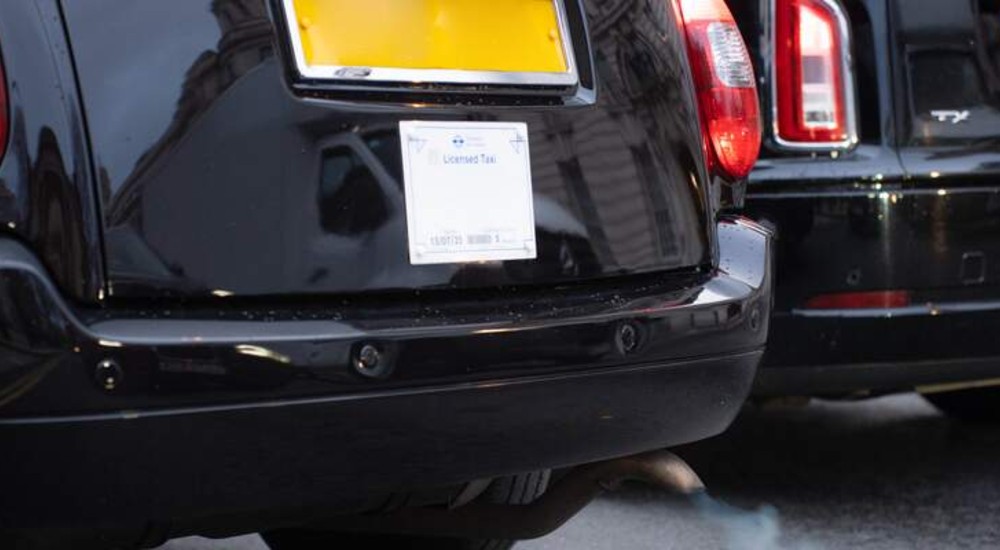
Switching to lower-carbon transport - including cycling, public transport, and electric cars - helps reduce the travel footprint.
The study shows people who adopt lifestyle changes in one area are more likely to have a smaller overall carbon footprint in other areas too.
For example, people who always switch off appliances rather than leaving them on standby have an average footprint in other, unrelated, lifestyle areas (including food and travel) more than 2.5 tonnes less than those who don't switch off.
Similarly, if you don't eat meat, you're likely to have a smaller footprint in non-food-related areas - including home emissions, as well as from things they buy such as clothes and electrical goods - compared to meat eaters.
Dr Chris West at the Stockholm Environment Institute, University of York, said: "The carbon calculator analysis showed people’s desire for a lower carbon future. Meeting our climate targets will require a combination of small and big changes, such as maintaining a reduction in international travel, which is needed to bring down personal footprints.
“Changing consumer behaviours are a very important component of moving towards a low-carbon future, but these must also be complemented by a rapid transition towards renewable energy and a circular economy."
Choices
Dr Stephen Cornelius, Chief Climate Adviser at WWF, said: “This analysis shows an encouraging trend towards lower carbon footprints across the UK. The doubling in take-up of 100% renewable energy tariffs is particularly positive as this can be a cheap and easy way for people to make a real cut in their emissions.
“Travel is another important area for carbon savings and as we come out of lockdown, making deliberate decisions to walk, cycle and safely use public transport are small choices that make a big difference.
“In this critical year for environmental action, it’s vital that people also use their voices to ask businesses and government to commit to the scale of transformation needed to tackle climate change and limit warming to 1.5°C.”
Further information
Tools such as WWF’s carbon calculator can help consumers identify their ‘problem areas’ and make changes to green their lifestyle.