Scientists and key figures develop vision for managing UK land and seas after Brexit
Posted on Tuesday 24 September 2019
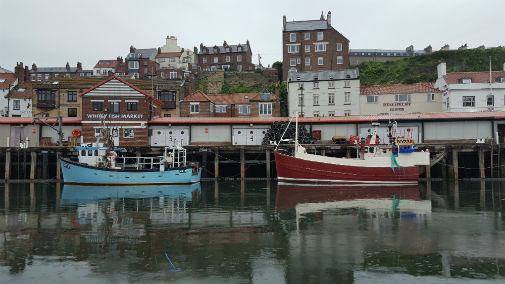
The team of researchers, led by scientists at the University of York, consulted with key figures from the agriculture and fishing industries nationwide to produce a framework for managing land and seas after the UK has left the EU.
The results highlight how leaving both the EU’s Common Agricultural Policy and the Common Fisheries Policy is an opportunity for the UK to shift its focus to protecting the environment and livelihoods, rather than maximising production.
Severely compromised
However, the ability to deliver on this vision will be severely compromised by a no-deal Brexit, the researchers warn.
Lead author of the study, Dr Bryce Stewart, from the Department of Environment and Geography at the University of York, said: “The UK has a rare opportunity to rewrite the rulebook to focus on effective agricultural, environmental and fisheries management and become a world-leader in these spheres.
“However, we have grave concerns about a no-deal Brexit across the board. For example, in the fishing industry the imposition of WTO rules could lead to tariffs of 7.5% to 24% on seafood exported to the EU.
“The UK would find itself under pressure to lower environmental protections and welfare standards across the farming and fishing industries to be competitive in markets outside of the EU.
“With widespread agreement that a no-deal Brexit will lead to a decline in economic growth, the resources and political will to deliver on sustainable practices may also be in short supply.”
Sustainable practices
The report highlights the need for UK policy makers to adopt an “ecosystem based” approach, which prioritises the protection of natural assets and provides enough resources to fund and reward sustainable farming and fishing practices so that products can remain competitively priced, while protecting principles of environmental justice; sustainable environmental management and community livelihoods.
High levels of cooperation with other European nations would also continue to be required after Brexit to ensure consistency, collaboration and the efficient movement of goods and labour, the researchers say.
The recommendations of the report include:
- Give greater voice to local and regional stakeholders (such as inshore fishing communities, which make up over 75% of the UK fleet) to ensure more locally appropriate and informed management decisions.
- Sustainable management and redesign of agricultural practices in the environment based on developing and implementing joint land use, food and rural policy strategies.
- Reforming farming subsidies so that farmers are paid for producing public goods that benefit nature and society.
- Further develop partnerships between the fishing industry and scientists to improve knowledge of stocks and marine ecosystems.
- Conserve Marine Protected Areas.
Public goods
Co-author, Professor Sue Hartley, Director of the York Environmental Sustainability Institute, said: “Our research highlights that policy makers should recognise that healthy environments deliver ‘public goods’ such as clean air and water, food provision and places for leisure, that belong to all of us, and that the continued provision of these goods means providing sufficient resource to publicly reward sustainable farming and fishing practices.”
Professor Charlotte Burns, joint lead author of the study, from the University of Sheffield, added a note of caution: “Significant challenges lie ahead. In the face of continued uncertainty over Brexit, much of the UK’s new policy on the environment, agriculture and fisheries is currently ambitious in vision but light on detail. There is also a risk that leaving the EU will weaken existing environmental protection.”
“The development of innovative policies, with significant input from the major players in the industries across UK countries, will therefore be essential for ensuring environmental sustainability and prosperity after Brexit.”