
Libya’s Unfinished Revolution: Human rights, culture, and lives beyond the headlines
Room ARC/014, Alcuin Research Resource Centre, Campus West, University of York (Map)
Event details
Learning from Human Rights Defenders
When people hear “Libya,” the first images that come to mind are often NATO, Gaddafi, war, and militias. They rarely think of food, songs, or languages disappearing, yet that is where some of the most profound human rights battles are fought, as focusing only on conflict obscures a quieter - and deeply revealing - struggle over belonging, identity, and justice.
This talk invites the audience to look beyond the headlines and explore the lived experiences of the Indigenous Amazigh people, one of Libya’s oldest communities, who have endured marginalisation, cultural erasure, and political exclusion long before and long after the 2011 revolution. Despite forming a significant proportion of Libya’s population, Amazigh communities have faced official denial of their language in public life, barriers to cultural expression, and systemic under-representation in governance, outcomes rooted in a legacy of both old state policies and ongoing debates about what it means to be Libyan.
This talk goes beyond the familiar narratives of conflict to examine how human rights are experienced in everyday life: how collective identity intersects with law and power, how social movements for recognition persist under conditions of repression, and what it means to assert one’s humanity when the state refuses to recognise it. Drawing on personal experience as a human rights defender and activist, the talk reflects on the Amazigh struggle, from cultural rights and language politics to demands for political representation and constitutional inclusion, and invites audiences to consider how human rights endure, evolve, and are fought for in contemporary Libya and beyond.
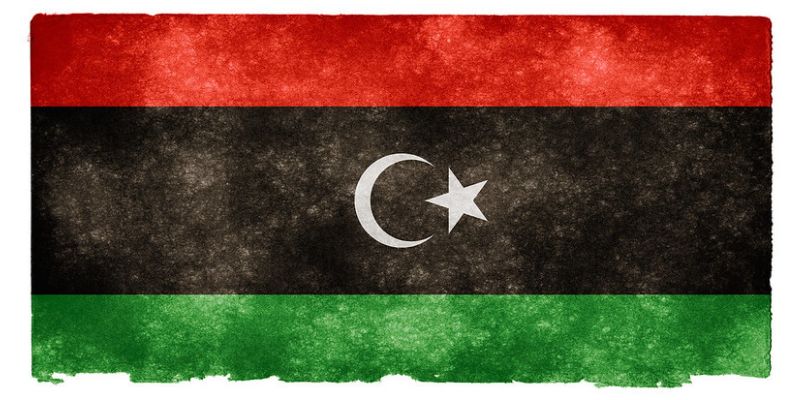
Image credit: Nicolas Raymond, licensed as CC BY 2.0.
About the speaker
Nour Khalifa is a Tamazight feminist and human rights advocate from Libya’s western mountain region, with over five years of experience working at the intersection of indigenous rights, gender justice, and grassroots civic activism. She is currently a Fellow on the Protective Fellowship Scheme for Human Rights Defenders at CAHR, University of York.
Venue details
Wheelchair accessible
Hearing loop