
CoMusicate: social and creative interaction for adults living with severe mental illness
Context
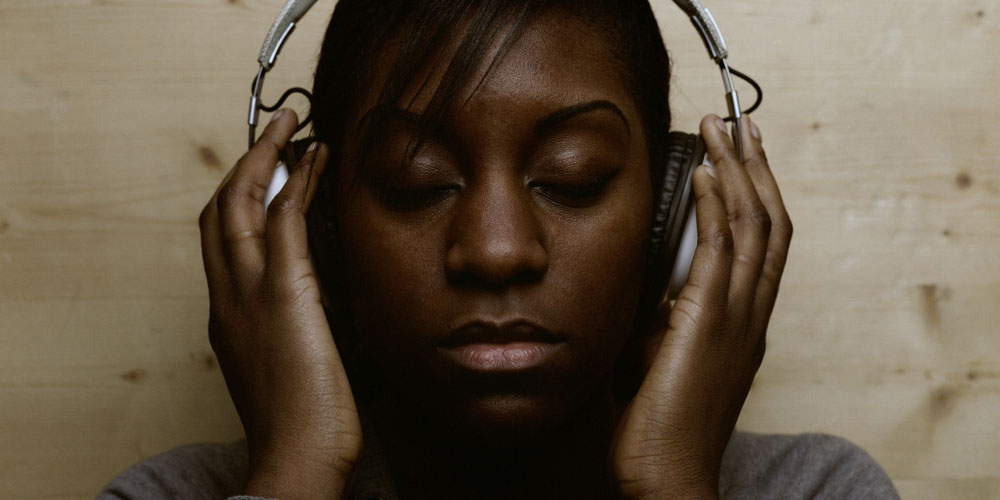
Music has long been recognised as a powerful resource for wellbeing: for mood, identity, social connection, and resilience. For adults living with severe mental illness (SMI), music may bring similar benefits, but be less easily accessible.
Digital technologies have transformed how people access and engage with music, with smartphones and streaming services in particular opening up new possibilities for everyday self-directed use. Yet, adults with SMI face well-documented barriers to technology access, and existing research has focused largely on formal music therapy interventions rather than on how adults with SMI may already engage with music in their daily lives.
The research
CoMusicate brings together adults with lived experience of SMI and music therapists or community musicians working regularly with adults with SMI to explore these questions. Using interviews and participatory workshops, we explored how people with SMI engage with music in everyday life, what motivates them, what barriers they face, and asked them to imagine what opportunities music technology could offer.
Participants used music daily to regulate mood, manage difficult environments, and maintain a sense of self; practices we call everyday self-tuning. However, participants also described substantial barriers: digital literacy and confidence, cost, internalised beliefs ('I'm not musical'), and lack of awareness of what was available. Participants also imagined what co-produced, accessible tools could make possible, both individually and in supported group settings.
Featured publications
- Multi-modal Sensory Substitution for Visually Disabled Users: Initial Design and Evaluation of the SoundCeption
- Exploring wellbeing and creativity through collaborative composition as part of Hull 2017 city of culture. Frontiers in Psychology