
Annual Aylmer Lecture - Extinction's Futures
This event has now finished.
Event details
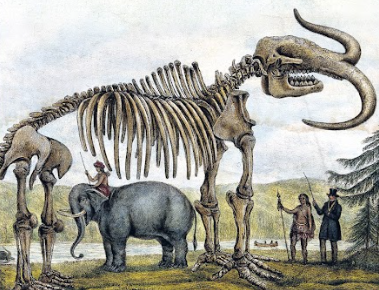
Anyone alive today is among a tiny fraction of the once living: over 90% of species that ever existed are now extinct. This talk will explore how we came to think of ourselves as survivors in a world where species can vanish forever, and as capable of pushing our planet to the verge of a sixth mass extinction? Although we’re familiar with extinction, even as children, the idea that species loss is a routine feature of life on earth is a surprisingly modern concept – and a phenomenon that’s not as natural as we might think. In Europe until the late eighteenth century, species were considered perfect and unchanging creations of God. Then in the age of revolutions, scientists gathered enough fossil evidence to determine that mammoth bones, for example, were not just large elephants but a lost species that once roamed the Earth alongside ancient humans. Extinction went from being regarded as theologically dangerous to pervasive, and even inevitable. This talk draws on the history of science to suggest that extinction is more than a scientific idea; it’s a political choice that has led to devastating consequences. For example, Europeans and Americans quickly used the notion that extinction was a natural process to justify persecution and genocide, predicting that nations from Newfoundland’s Beothuk to Aboriginal Australians were doomed to die out from imperial expansion. Exploring the tangled and unnatural histories of extinction and empire, this talk will show us that extinction is both a natural process and an unnatural human act. Histories of extinction can illuminate our past, while helping us imagine a better future for life.
This event is run in conjunction with the Festival of Ideas.
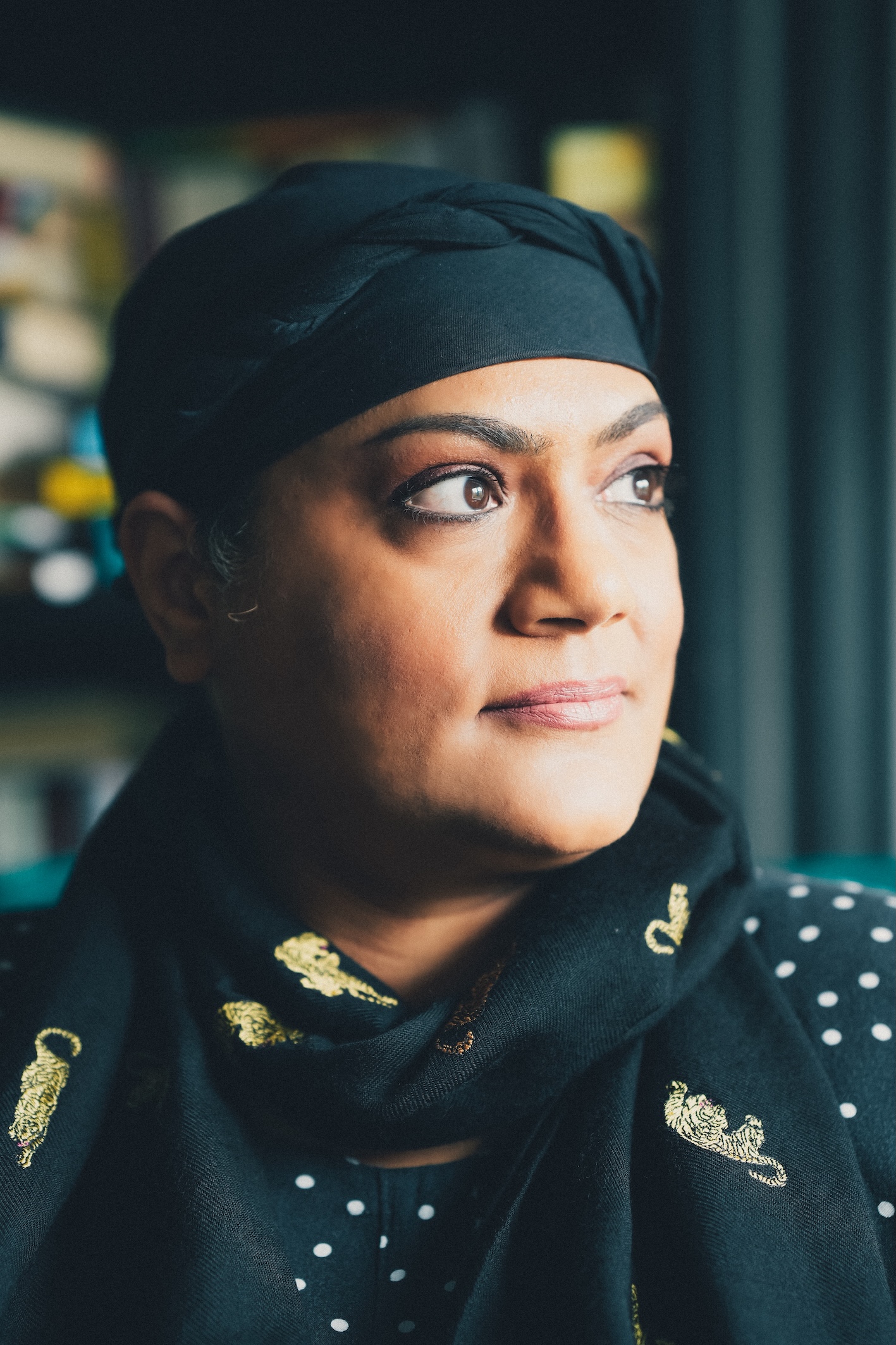
Professor Sadiah Qureshi
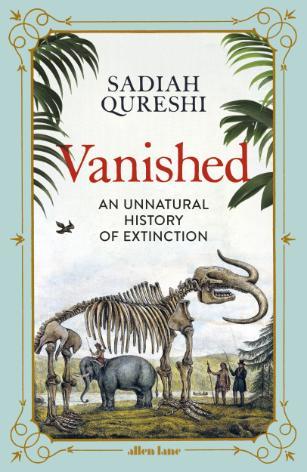
Sadiah Qureshi holds a Chair in Modern British History at the University of Manchester. At the broadest level, her research interests focus on histories of race, science and empire. Her latest book Vanished explores the entangled histories of extinction, empire, and genocide in the making of the modern world. The book was shortlisted for the Royal Society’s Trivedi Science book prize. She cannot bear the thought of living in a world without birdsong, trees, or tigers.
Partners
.png)