
ECSG news

On this 2026 #WorldCancerDay, York Press have published an article describing how the HMRN research team work with people with blood cancer across the region, and with their NHS clinicians to improve care and outcomes for patients.

The NIHR Biomedical Research Centre (BRC) Haematology Theme Meeting, held on 3rd October 2025 at the National STEM Learning Centre, brought together leading laboratory researchers, clinicians, epidemiologists, and data scientists to share progress and discuss emerging results.
People diagnosed with multiple myeloma – one of the most common forms of blood cancer – are now living nearly twice as long on average as they were in 2005, according to a new study. The research, led by the University of York and funded by Cancer Research UK and Blood Cancer UK, found that median survival for people with myeloma rose from 2.4 years in 2005 to 4.5 years in 2019. The findings, published in Haematologica, are based on data from more than 3,700 UK patients in England.
.png)
On 3 February 2025, Lancet Haematology published results from the MDS-RIGHT consortium.This is an important study showing that ESA treatment has a significant effect on survival, and that it is important to start ESA before RCBT, if possible, to yield the best effect of ESA. Avoiding RBCT is associated with significantly better Health Related Quality of Life (HRQoL).
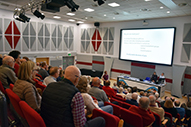
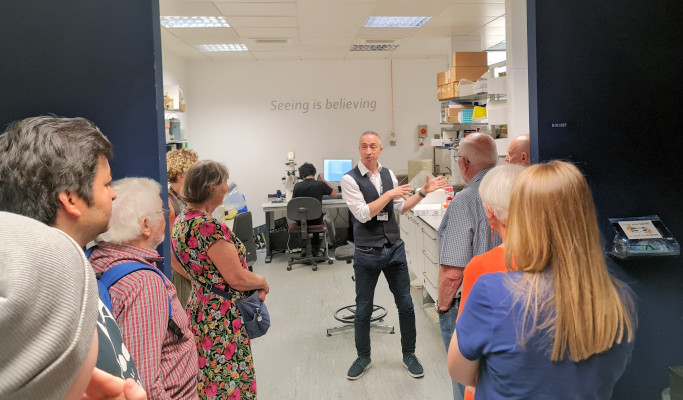
On the Saturday 28 October 2023, the Centre for Blood Research (CBR) at the University of York had the pleasure of welcoming around 200 patients and their families and friends, as well as NHS staff, to an Open Day to share findings and hear about patient experiences.

ECSG is a key partner in the CBR, which was recently launched at a meeting that included speakers from Biology, Health Sciences, and the NHS. Attended by academics and representatives from industry, research funders, and patients, the chair of a thriving blood cancer support group also addressed the meeting.
ECSG facilitate a thriving support group in York for people who have blood cancer and their friends and family. The group was invited by the Biology Department at York to give their views on a potential new research study.

We talked to patients with chronic blood cancers, and some of their family members, about what it is like to be on Watch & Wait (W&W).