
Project Member "Spotlights"
Rowena Jacobs, Principal Investigator
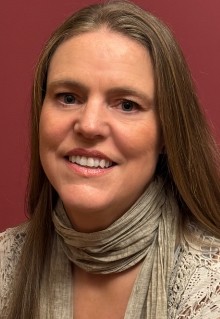
What do you do in the fields of employment support, mental health, or economics?
I am interested in the economics of mental health and mental health policy. I am also interested in how we can harness large linked data to answer key policy questions. The fact that mental health problems have such a profound impact on labour market and economic outcomes, also makes the area of work and health a focus of particular importance for me. I am so excited that the Support2Work project brings all these research areas together.
What do you find most rewarding and inspiring in your work?
We have a brilliant multidisciplinary team of people working on Support2Work. I feel very privileged and inspired to be working with them and learning from them. There’s lots of involvement and support from policymakers, lived experience contributors, service leads, employment advisers and other key
stakeholders who are working with us, which is very rewarding.
What impact or insights do you hope the project will bring?
I hope we can strengthen the evidence base on the impact of integrating Employment Advisers into NHS Talking Therapies. We know that prior evidence shows positive clinical and labour market impacts from NHS Talking Therapies, but evidence on the role of Employment Advisers is really needed. We’ll be looking at the impact of Employment Advisers on mental health, work functioning, healthcare costs, inequalities, labour market outcomes and the economy. I think Support2Work has real strength in bringing a holistic view and insights which we can services, patients, and policymakers.
Could you share with us one piece of advice that you follow to look after your own wellbeing in the workplace or in everyday life?
Unplug yourself from time to time. Prioritise people who are energising and restorative in your life. Don’t take things too seriously. Try to laugh a little (or a lot!) every day.
Claire de Oliveira, Co-investigator

What do you do in the fields of employment support, mental health, or economics?
My research interests are in mental health economics, child health economics and econometrics. We know that mental health affects one in every four individuals and that it can impact every aspect of one's life. I am interested in understanding how mental health affects people's labour market participation, their earnings and their productivity and how research can help provide policy-relevant solutions.
What do you find most rewarding and inspiring in your work?
As a researcher, I always wonder if/how my research will change or improve the lives of the people I study. The most rewarding and inspiring part of this
particular work is that we are not only addressing a gap in the literature but also studying a topic that will inform policy at the national level.
What impact or insights do you hope the project will bring?
I hope that the project will provide a comprehensive understanding of the impact of employment advisers within the NHS Talking Therapies programme and will lead to real and positive change to those who use these services.
Could you share with us one piece of advice that you follow to look after your own wellbeing in the workplace or in everyday life?
I make sure to surround myself with people who uplift me, staying connected with family and friends who appreciate me, and seeking professional support when needed.
Craig Rowbotham, LEC SEAP member

What motivated you to become a member of the Support2Work Project's Lived Experience Service Experts Advisory Panel?
My motivation comes from my own lived experience of mental health recovery and the positive impact that support
services, particularly Talking Therapies, had on my life. After completing treatment, I was able to rebuild my confidence and move into my current role as an NHS Employment Advisor within the same Trust that supported me.
I wanted to use that experience to help shape services so they better meet the needs of people accessing support.
Being part of the Advisory Panel is an opportunity to ensure that lived experience is not only heard but actively informs how employment and recovery services are designed and delivered.
What impact or insights do you hope the project will bring?
I hope the project highlights the vital role that employment plays in recovery and demonstrates that people with mental health conditions can achieve and sustain meaningful work with the right support.
I would like to see the project bring practical insights into how services can be more person-centred, reduce barriers to employment, and strengthen the connection between clinical support and vocational outcomes. Importantly, I hope it reinforces the value of lived experience in shaping services that are compassionate, accessible, and truly recovery-focused.
Could you share with us one piece of advice that you follow to look after your own wellbeing in the workplace or in everyday life?
One key piece of advice I follow is to check in with myself regularly and recognise when I need to slow down or reset. That might mean taking a short walk, setting clear boundaries around my workload, or speaking openly with colleagues for support.
Spending time outdoors is also a really important part of maintaining my wellbeing. I’ve become a long-distance walker and now spend a lot of my weekends in the Yorkshire Dales, enjoying the many trails it has to offer, including the Herriot Way, Lady Anne’s Way, the Dales Way and the Swale Trail. Being out in nature helps me clear my mind, stay balanced, and maintain a positive outlook.
For me, maintaining wellbeing is about consistency-building small, manageable habits that support balance, rather than waiting until things feel overwhelming.
David Imber, PEAP Member

How does your background/current role/experience relate to the Support2Work Project?
I'm Head of the IEP Centre for Employability Excellence, so interested in this important research.
What motivated you to become a member of the Support2Work Project's Policy Experts Advisory Panel?
Professional and personal interests, plus the opportunity to share new work and research.
What impact or insights do you hope the project will bring?
Better understanding of the links between health and employment supports and professions.
Could you share with us one piece of advice that you follow to look after your own wellbeing in the workplace or in everyday life?
Always get plenty of rest and recreation so you're 'fully charged' when you need to make judgements or work longer or harder. Ethics matter - choose yours carefully.
Joanne, LEC SEAP member

What motivated you to become a member of the Support2Work Project's Lived Experience Service Experts Advisory Panel?
Having an experience with my son that used the services and it was not a good experience, also having experience myself of health conditions that affect work. I feel that it is important for everyone to have opportunity and if they experience genuine health difficulties opportunity be able to either overcome it or work with it is important as long as its not unreasonable to do so.
What impact or insights do you hope the project will bring?
I hope it will bring clarity of how to improve the services so that they work well.
Could you share with us one piece of advice that you follow to look after your own wellbeing in the workplace or in everyday life?
Pace yourself, there can be pressures coming from all directions. Its important for things not to be unreasonable or unfair. If it doesn't work move on. We are not all the same, there will be different opinions a consensus is important but we must allow for everyone to feel free to have their own opinion, that doesn't mean a particular work place should not have its own ethos, so if it doesn't work for you move on to what does. There needs to be basic standards though for things to be functional.
Lorraine Thompson, Staff SEAP member
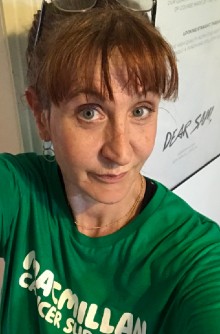
How does your background/current role/experience relate to the Support2Work Project?
Current role: Senior Employment Advisor
I have a strong passion for the relationship between work and health, and I have worked as an Employment Advisor across both primary and secondary care settings for the past 20 years. In my current role, I manage a small team of
Employment Advisors who support people experiencing mental health challenges to find, return to, or remain in work
while working closely alongside clinical therapy services.
What motivated you to become a member of the Support2Work Project's Staff Service Experts Advisory Panel?
Because I am passionate about the Talking Therapies Model and the difference that is makes to the clients that we serve. What makes Talking Therapies Employment Services so distinctive is that we are embedded within clinical services, allowing us to provide an integrated employment and well-being approach that closely aligns vocational support with therapeutic goals and recovery outcomes.
I was motivated to become involved because I am interested in promoting the positive links between good work, mental wellbeing, and recovery, and in helping develop services that provide compassionate, person-centred, and psychologically informed employment support.
What impact or insights do you hope the project will bring?
I hope that it strengthens the evidence base on the impact of integrating Employment Advisors into NHS Talking Therapies. I feel that this important research has real strength in bringing a holistic view and insights which we can then feed into concrete recommendations for NHS services, patients, and policymakers. Overall, I would hope the project produces evidence that not only measures outcomes statistically, but also demonstrates the human impact of helping people regain confidence, purpose, and stability through meaningful employment support alongside mental health care.
Could you share with us one piece of advice that you follow to look after your own wellbeing in the workplace or in everyday life?
Stay connected with people who make you feel calmer, lighter, or understood. Supportive conversations can have a real impact on well-being. And make time for laughter regularly — whether that’s joking with friends, watching
something genuinely funny, or not taking every difficult moment too seriously.
Tracy Dancer, Project Manager
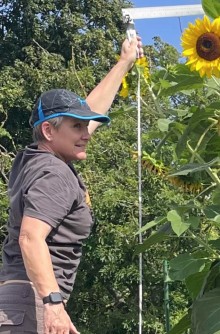
How does your work on the Support2Work project compare to other projects you have worked on?
My work on the Support2Work project has many similarities but also differences to other projects I've worked on. The main similarities are planning and managing meetings, recording milestones and deliverables and funder reporting; whilst the main differences are working with our fabulous lived experience contirbutors and advisory panel members, producing content for LinkedIn and having colleagues in the same department doing the same job, allowing us to compare notes and support each other!
What impact or insights do you hope the project will bring?
We're halfway through the project (at the time of writing) and we have many interesting and heartening insights on the valuable work that Employment Advisers (EAs) do for their clients. The 'value-add' items provided by EAs are often not able to be recorded in the metrics used by services, but are certainly experienced and valued by the clients they work with. I hope that once the whole project is completed, a better/bigger picture of the impact of EAs is recognised more broadly, and that mechanisms are put in place to record outcomes beyond those currently used.
Could you share with us one piece of advice that you follow to look after your own wellbeing in the workplace or in everyday life?
Try and be positive. You're not going to manage it all the time - my husband and work colleagues will attest to that for me! But research suggests that positive thinking and being more optimistic may provide many different health benefits, from increased lifespan and greater resistence to illness, to better psychological and physical well-being. I also try to be moderately active; any additional movement, strength or balance activity you can put into your day makes a difference - I stand on one leg whilst brushing my teeth!