

Global Health Seminar - Capturing the benefits of interventions improving access to care for serious mental disorders in LMIC settings – reflections on the TRANSFORM experience.
This event has now finished.
Event details
Abstract
There is a severe and persistent gap between need and care for those experiencing serious mental health disorders in LMIC settings. Traditional and faith-based healers (TFBHs) are often the first and main point of contact, reflecting local preferences and lack of biomedical alternatives. While TFBHs can provide valued social and spiritual support, exclusive reliance on them can delay effective treatment and, in some settings, expose people to coercion, exploitation and violations of human rights.
The TRANSFORM project was funded by the UK NIHR and conducted in Nigeria and Bangladesh. TRANSFORM co-produced and evaluated an intervention facilitating engagement with TFBHs, including education and integrated referral pathways. It included a health economic component which collected data on costs and health-related quality of life (HRQoL) from patients and caregivers. Data were collected from those referred to biomedical services by TFBHs at two time points – initial consultation with biomedical care and three months’ follow-up. A structured patient cost questionnaire captured direct medical and non-medical costs and indirect costs (including productivity losses). Patient HRQoL was captured using the EQ5D-5L and ReQoL. Caregiver HRQoL was captures using Carer Experience Scale (CES). Clinical measures of symptoms and functioning (GAS, GAF) were also collected, providing a yardstick for exploring the congruence of alternative HRQoL instruments with clinical assessments of improvement.
In this presentation, I share emerging insights from analysis of these data. I explore how they inform the potential benefits to patients and their families from improving access to biomedical care, both in health and financial terms. I also reflect on how well the HRQoL instruments health economists currently use performed in these settings, and what avenues of further research might be suggested by our experience.
If you are not a member of University of York staff and are interested in attending a seminar, please contact akseer.hussain
About the speaker
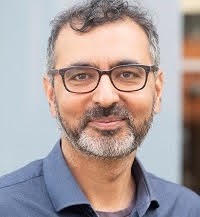
Professor Jason Madan, University of Warwick
Jason is a health economist with extensive experience of applied and methods research. Director of the Centre for Health Economics at Warwick (CHEW)
Venue details
Wheelchair accessible
Contact
For information about Global Health seminars, please contact Akseer Hussain.