
Study shows new perspectives on kinship and monuments from Neolithic Ireland
Posted on Friday 4 April 2025
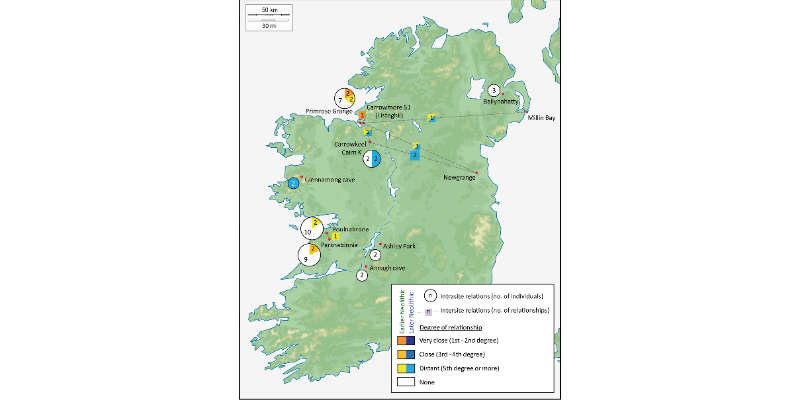
The study, led by scholars from the School of Archaeology, UCD, Ireland, and an international team of experts, including York's Penny Bickle, have brought together recent studies on aDNA with the archaeological and funerary data from Ireland's famous Neolithic monuments like Newgrange.
The paper combined new genetic and archaeological evidence on changes in megalithic building and funerary traditions to gain insights into a previously unknown aspect of Neolithic Ireland. This shows that most individuals buried together in Ireland’s Neolithic monuments were not biologically related. Rather than these being the burials of elite rulers or a ruling dynasty, they were places where people made their kin through a range of practices, including living, working and burying their dead together. This shows the importance of holistically integrating archaeology with genetics.
Neolithic Ireland is widely recognized for its impressive megalithic monuments, such as Newgrange, but the social relations that gave rise to these monuments have been poorly understood. The research builds upon previous genetic studies to present a distinct set of interpretations that enable a deeper understanding of the human past.
The paper is open access and published in the Cambridge Archaeological Journal.