
New Bioarchaeological Research Provides Insight Into Mesolithic Cuisine
Posted on Wednesday 4 March 2026
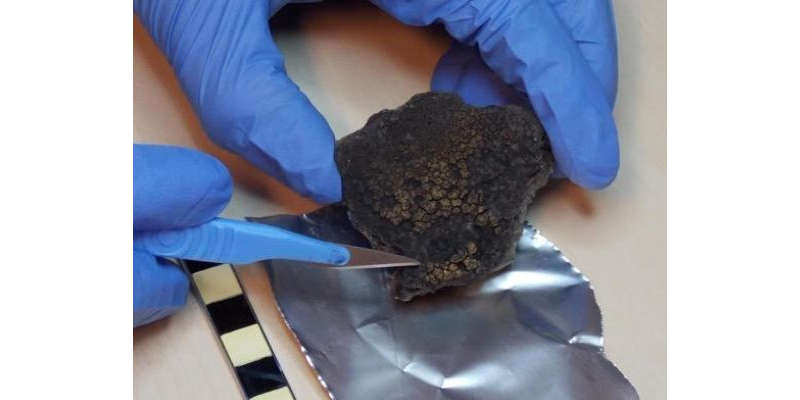
Using a range of microscopic and molecular techniques, the team analysed charred food remains from Mesolithic pots across Northern Europe. The results show clear differences in pottery use varied from region to region. Plant foods, in particular, seem to have been carefully chosen for combination with fish and other animal products. Similar culinary practices grouped regionally implying cultural transmission between hunter-gatherer communities. This research was conducted as part of the INDUCE ERC project (the Innovation, Dispersal and Use of Ceramics in NW Eurasia), coordinated by the British Museum.
In the article, Dr González Carretero and colleagues present results from both isotopic and microscopic analyses. It is the microscopy, in particular, that has allowed her to identify plant remains because fats from seafood overwhelm peaks from plant remains in the isotopic analysis of lipids. In combining the two techniques, this research corrects the underrepresentation of plants in our knowledge of prehistoric culinary traditions.
The final piece of the puzzle that makes this research truly unique is the addition of experimental archaeology. Dr González Carretero and colleagues created experimental reference materials by recreating the prehistoric meals in replica ceramics over open fires and matching the experimental to the prehistoric foodcrusts.
We are delighted to see that the article is already attracting national and international attention in newspapers including The Telegraph, The Times and our local The York Press, podcasts like NPR’s All Things Considered and this lovely piece in National Geographic: “The real ‘paleo’ diet had plenty of fruits and veggies”.
While this article focuses on other parts of Northern Europe, Dr González Carretero’s current research shifts the focus to Britain. Funded by the Arts and Humanities Research Council, her new project will analyse materials from famous British Neolithic and Bronze Age sites to reveal what people were eating and how they were cooking their meals.