Skip to content Accessibility statement

Biodiversification

Biological evolution has repeatedly transformed the Earth, but perhaps never as fast as now.

The speed and geographic extent of change provide science and society with unique opportunities to study and understand the processes involved.

This programme evaluates the extent to which we are living through a mass diversification event, as well as through a mass extinction. We carry out research on the human, ecological and evolutionary underpinnings of diversification; concentrating on the interacting effects of the transport of species around the world, exploitation, habitat transformation and climatic changes.

Areas of interest

  • Ecological enrichment, investigating how biological and societal processes determine the rates at which species accumulate in human-altered environments.
  • Evolutionary origination, evaluating whether the rate at which new species are coming into existence has been accelerating during the Anthropocene, arguably to its highest level ever.
  • Ecosystem diversification, considering how societal development and biological ‘rules’ underpin the emergence of unprecedented ‘novel ecosystems’ and the balance of diversity gains and losses.

News and views

News

5 March 2026

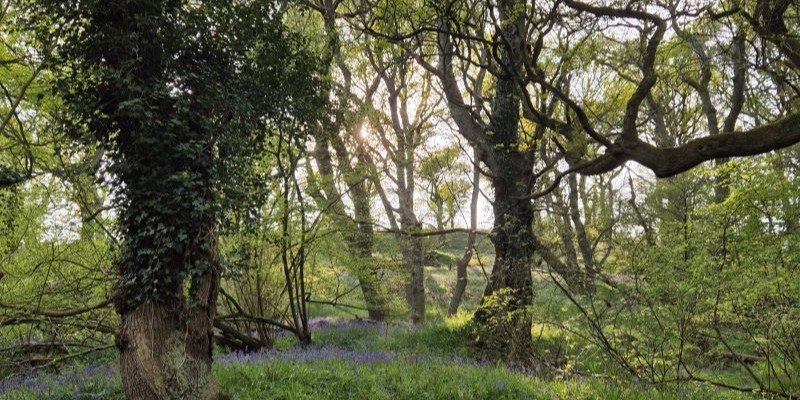
The devastation caused by the Black Death in medieval Europe may not have delivered the environmental benefits that could be assumed to follow large-scale human decline, according to new research.
News

5 February 2026

From forests to coral reefs, biodiversity underpins the health and functioning of ecosystems worldwide.