
Bats, Sharks, and Big Data
Posted on Monday 30 March 2026
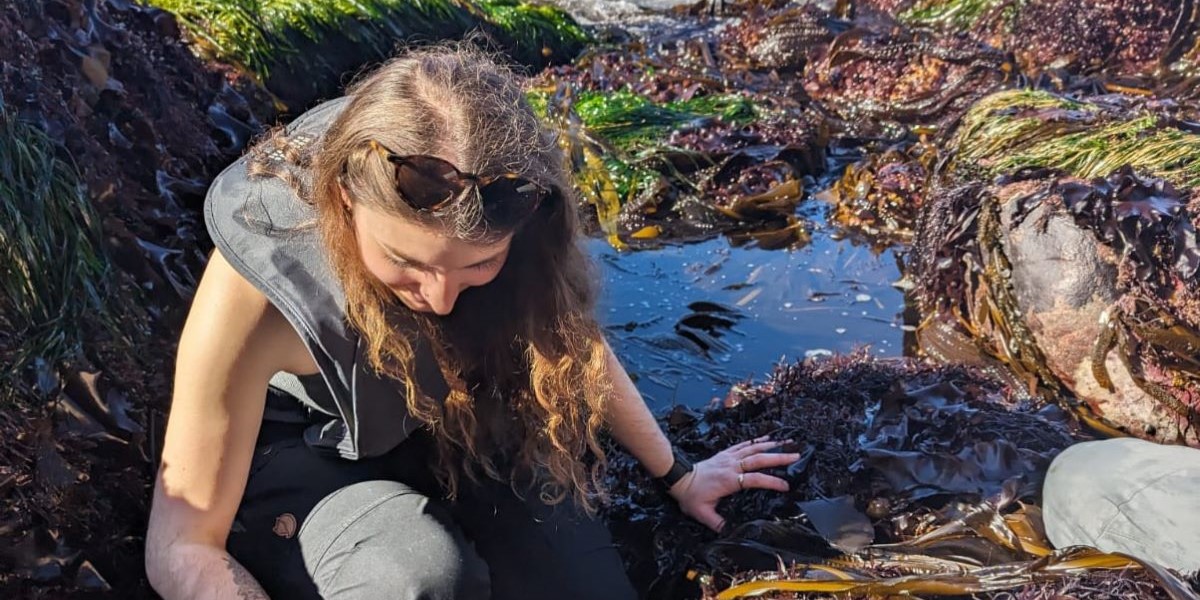
As a new Post-Doctoral Research Associate with LCAB, I will be analyzing large-scale ecological datasets to uncover how human-driven changes are reshaping global biodiversity.
I have had a fascination and love for the natural world for as long as I can remember, but interestingly, I started my undergraduate degree with a plan to pursue medical illustration. I loved the idea of combining art and biology and it just seemed like a great fit. However, through a series of adventures and happy happenstance, I stumbled into an ecology and zoology degree and never looked back. Throughout my undergraduate studies, I took every opportunity to get involved in research, which took me from studying chlorophyll to crocodiles, and eventually laid the foundation for my academic career.
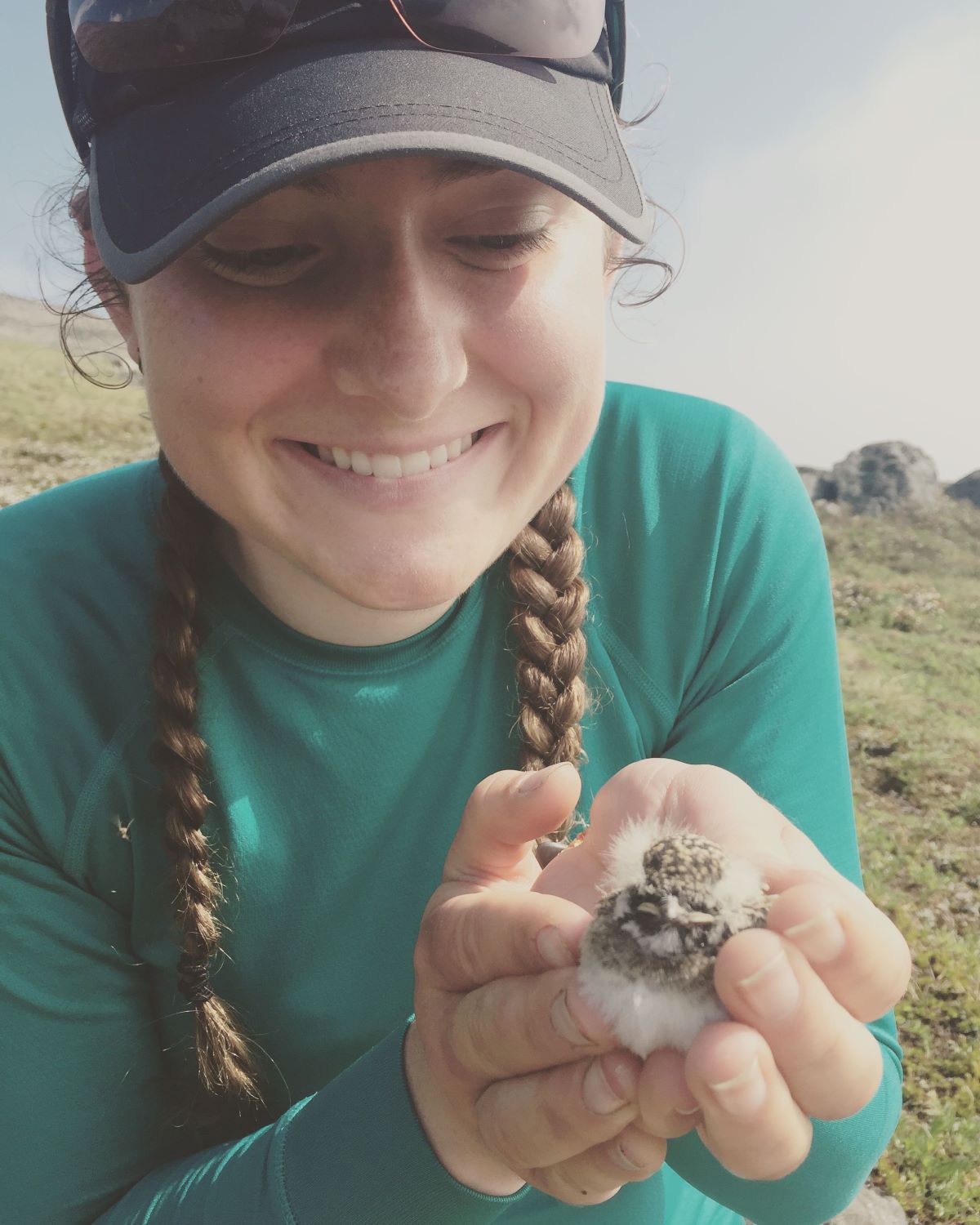
My first major research experience took place in 2016. I spent over 600 hours in the subalpine of Hudson’s Bay Mountain in British Columbia, studying how predation affects the nestling development of the Horned Lark. We ran predation experiments using fox and raven models, banded nestlings, and tracked migration patterns.
Later that summer, a field ecology course at the Barrier Lake Biogeoscience Institute introduced me to a wide range of terrestrial and aquatic research techniques. While I loved the course, improved my scientific writing, and made lifelong friends, I also faced a bit of an identity crisis! I realized I didn't share my colleagues' deep passion for terrestrial fieldwork. I knew I needed to explore other ecosystems.
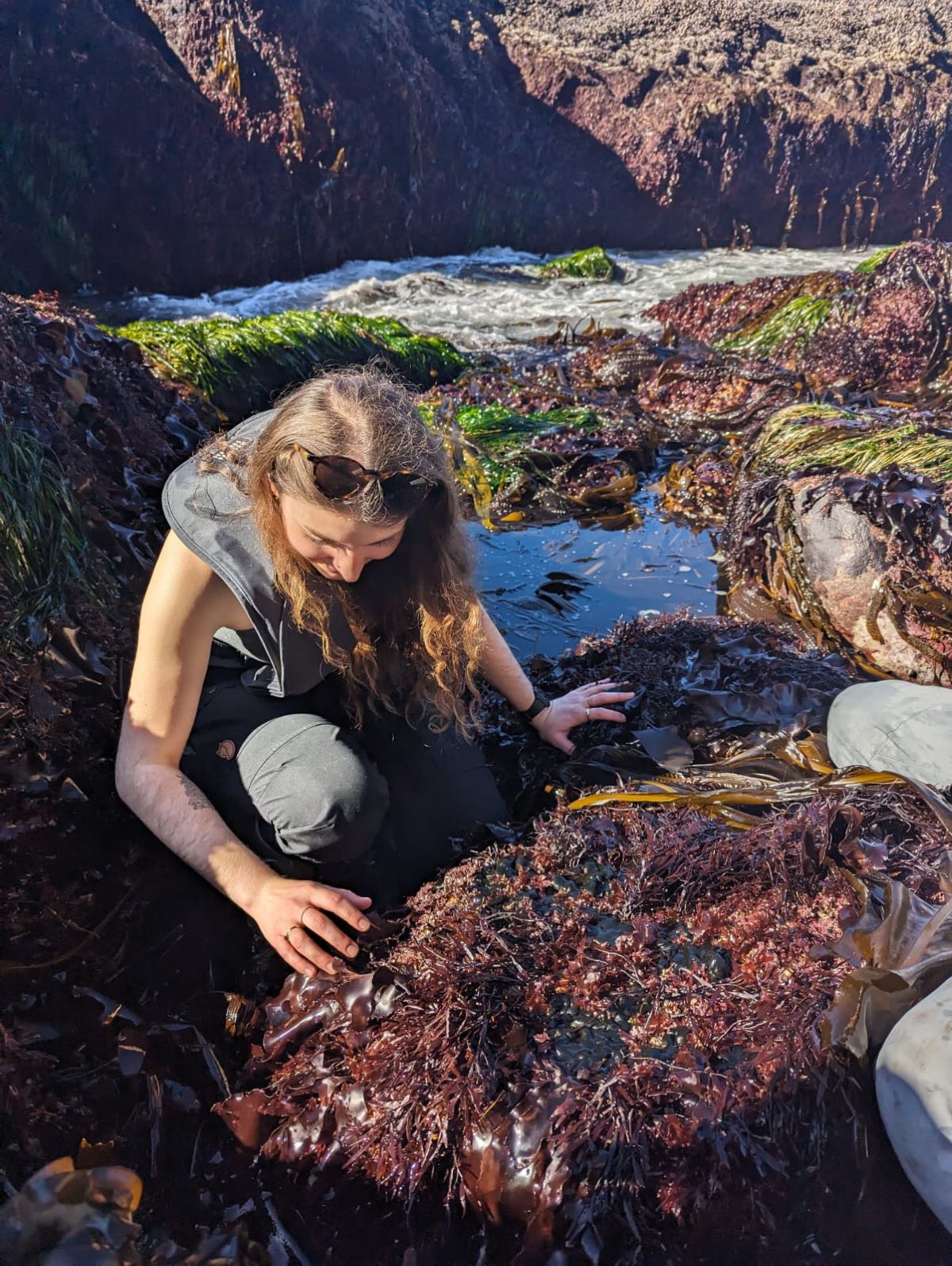
The following summer, I headed to the West Coast of Canada for a Biodiversity of Seaweeds course at the Bamfield Marine Sciences Centre. Exploring the diverse landscape of Vancouver Island, I fell completely in love with kelp and marine ecology. That was the turning point that fueled my pursuit of a career in marine science.
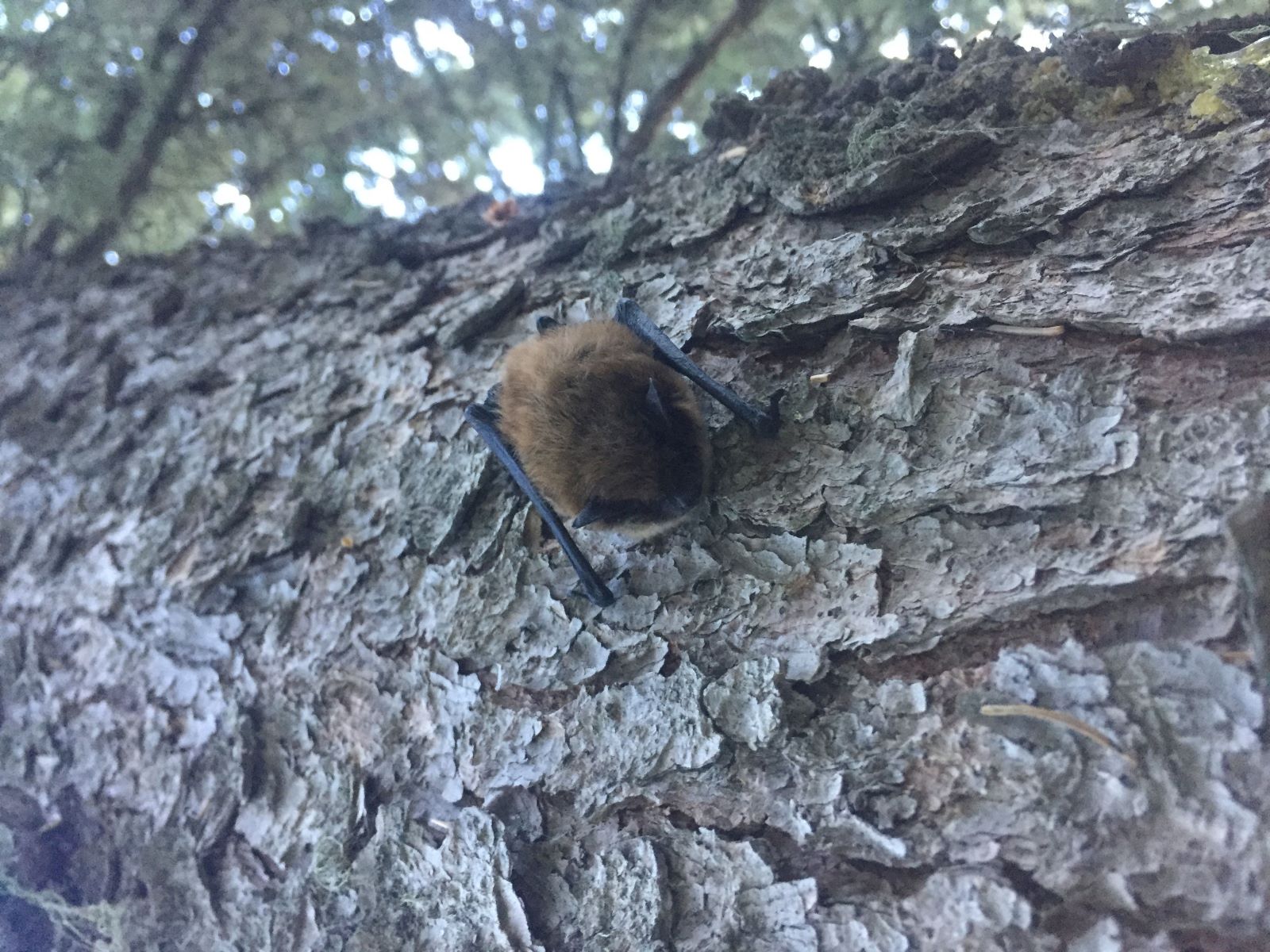
Before fully committing to a marine Master's program, I wanted to build a diverse toolkit of research skills. This led to a series of incredible field experiences. A course in Belize allowed me to conduct research in tropical environments and understand the unique conservation challenges they face. While there, I conducted field research for my two honours projects on bats, both of which led to my first publications.
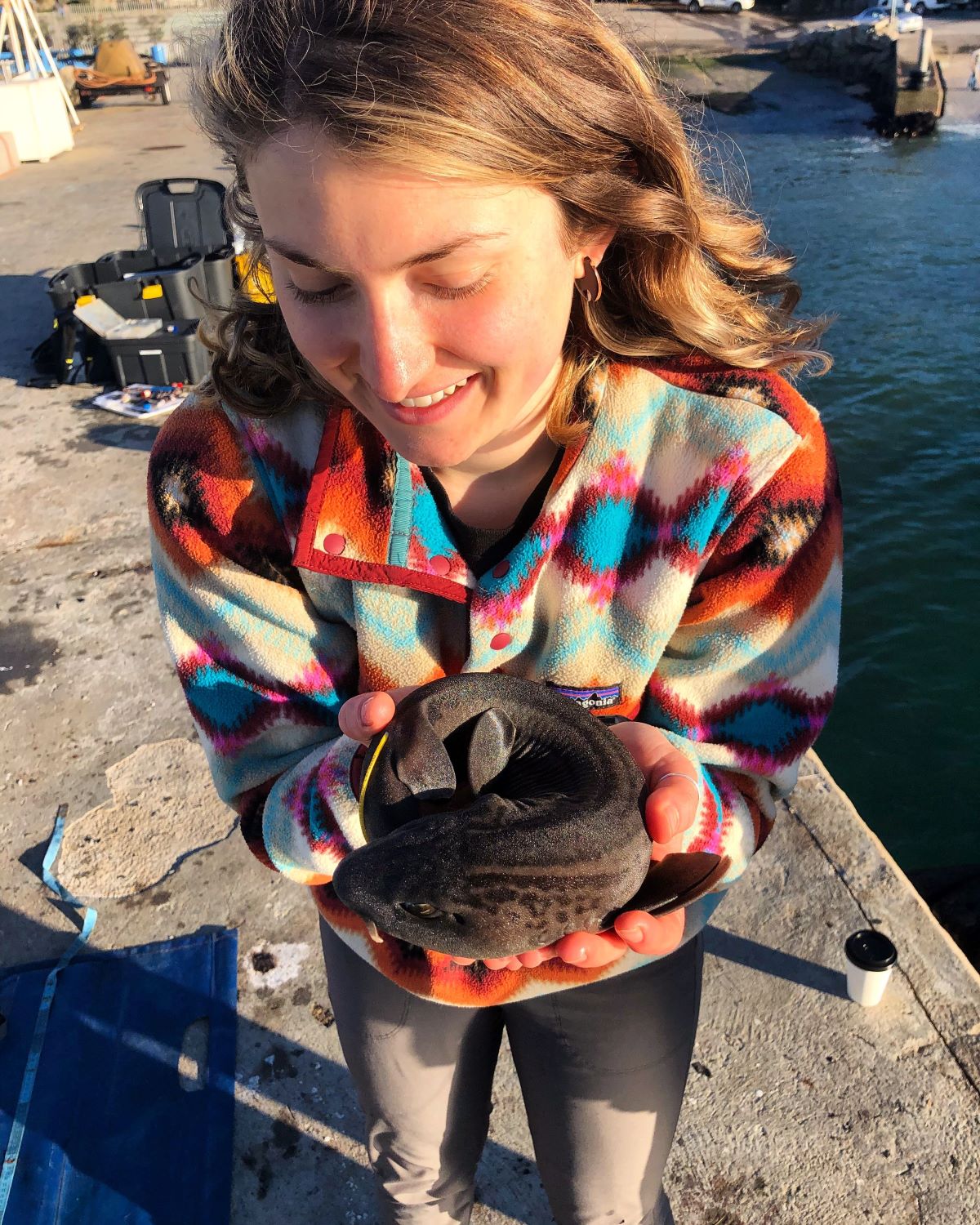
Then to gain hands-on marine experience, I traveled to Hermanus, South Africa, for an internship with the South African Shark Conservancy. There, I worked with catsharks and shysharks, analyzed baited remote underwater videos (BRUV), and honed my skills as a team leader.
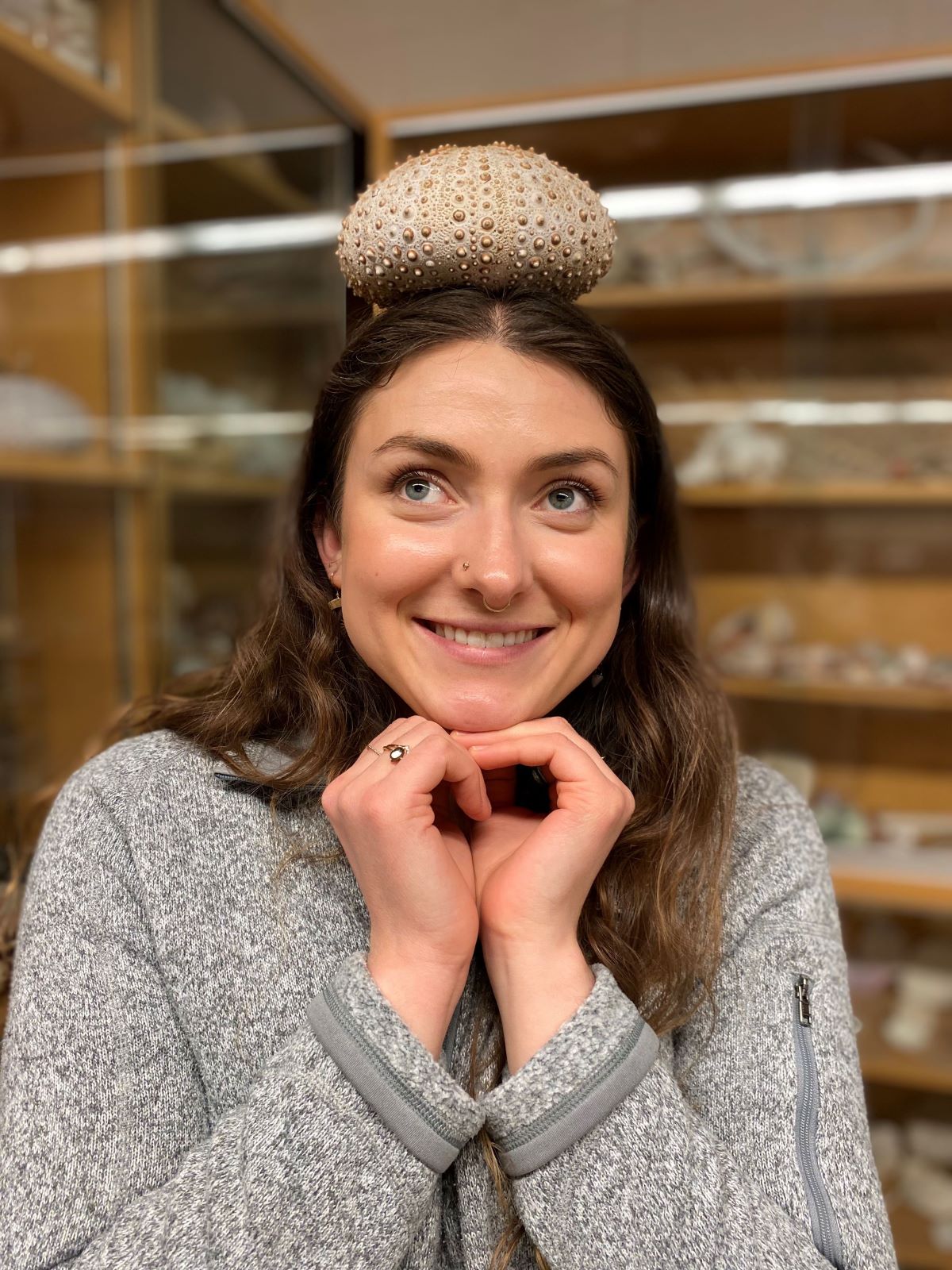
For my MSc, I joined the Baum Lab at the University of Victoria. Although a global pandemic prevented me from visiting my field site, I adapted by using previously collected photoquadrats to analyze coral communities on Kiritimati, Kiribati, the world's largest atoll. I examined the impacts of local and global disturbances on coral biodiversity, specifically looking at heat stress on soft corals, a highly vulnerable but often overlooked component of reef ecosystems.
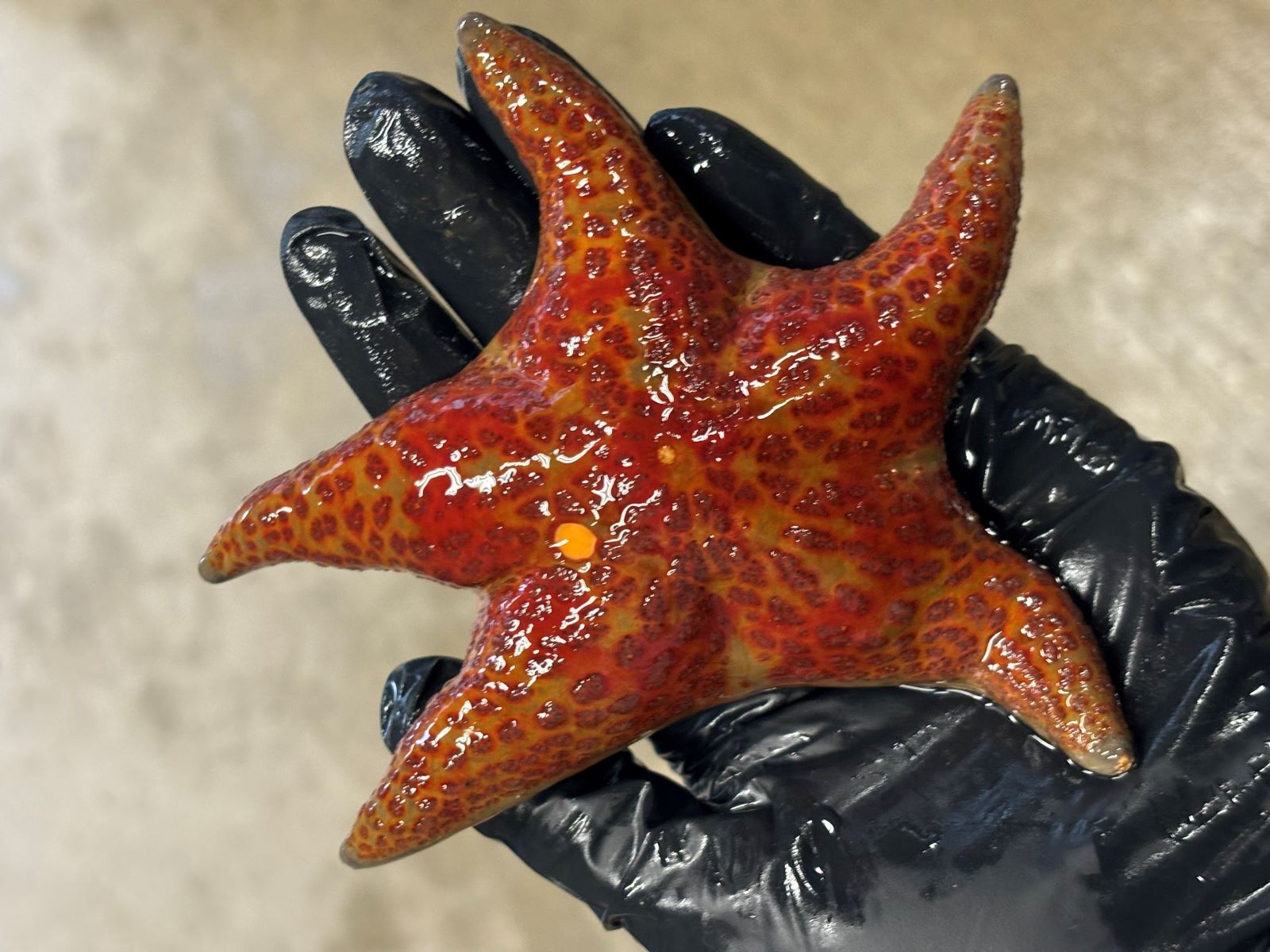
I stayed at the University of Victoria for my PhD, transitioning to the Bates Lab to examine how climate change and anthropogenic disturbances are reshaping marine invertebrate communities. My research integrated fieldwork, experiments, and the analysis of large-scale datasets. My first chapter, published in Diversity and Distributions, examined the combined effects of temperature and habitat loss on marine invertebrates using a long-term dataset from Southern California's Channel Islands. My second chapter utilized Reef Life Survey data from Australia to show how temperature-dependent fish consumption drove changes in invertebrate abundance during a major marine heatwave. For my final chapter, I collaborated with the Hakai Institute's Marna Lab to run experiments on Leather sea stars (Dermasterias imbricata), testing whether access to food could mitigate the negative impacts of thermal stress.
Now, I am incredibly excited to be here at the University of York. When I saw the posting for this post-doc at LCAB, it felt like a perfect fit. Questions about scale, long-term trends, and biodiversity have driven my research since my MSc. Even more than being out in the natural world, digging into the data itself is what truly excites me.
As a Post-Doctoral Research Associate, I will be conducting analytical research on biodiversity change in the Anthropocene. I'll be evaluating how methodological choices, data types, and scale influence the discrepancies we see in biodiversity trends. Through large-scale analyses of ecological datasets and transdisciplinary collaboration, I hope to better understand biological responses to human-driven environmental change and help inform future conservation strategies.
I am so grateful for all that this planet has taught me so far, and I look forward to what it will continue to teach me as I dive into this new chapter at LCAB.