 white on transparent (1).png)
Leverhulme Centre for Anthropocene Biodiversity
World-leading interdisciplinary research into the complexities of biodiversity change in the Anthropocene, funded by the Leverhulme Trust
Human activities have caused the world’s physical and biological processes to change so significantly that we increasingly think of Earth as having entered a new era – the ‘Anthropocene’.
This disruption has resulted in the extinction of many species, but the Anthropocene is also a time of biological gains; it may eventually be considered one of the greatest boosts to biological diversity in history. We aim to understand the causes and consequences of biodiversity gains and losses, and inform and influence how society responds.
Research programmes
Latest news
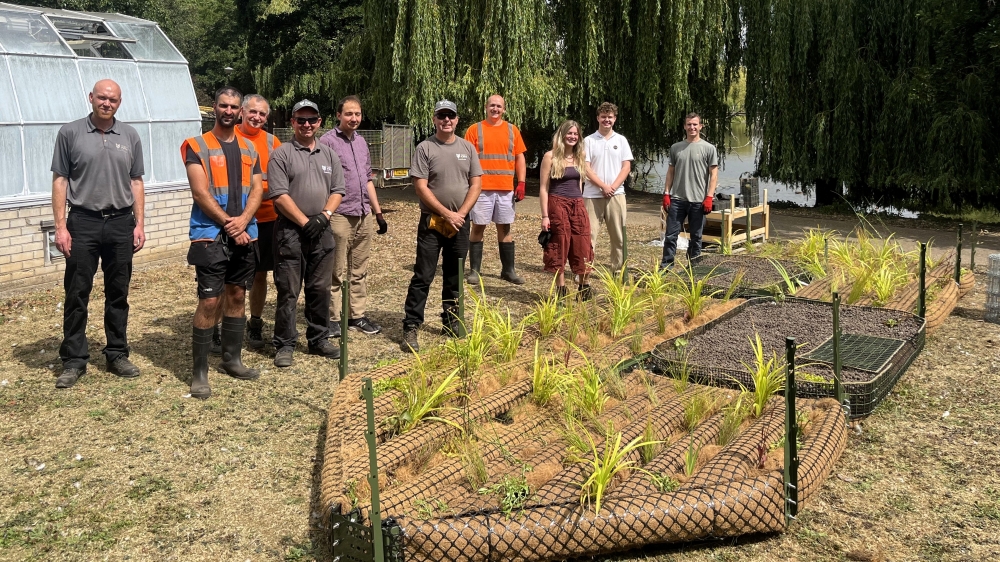
Our new floating wetland has now been launched on Campus West lake, a flagship project in our Ecological Management Plan.
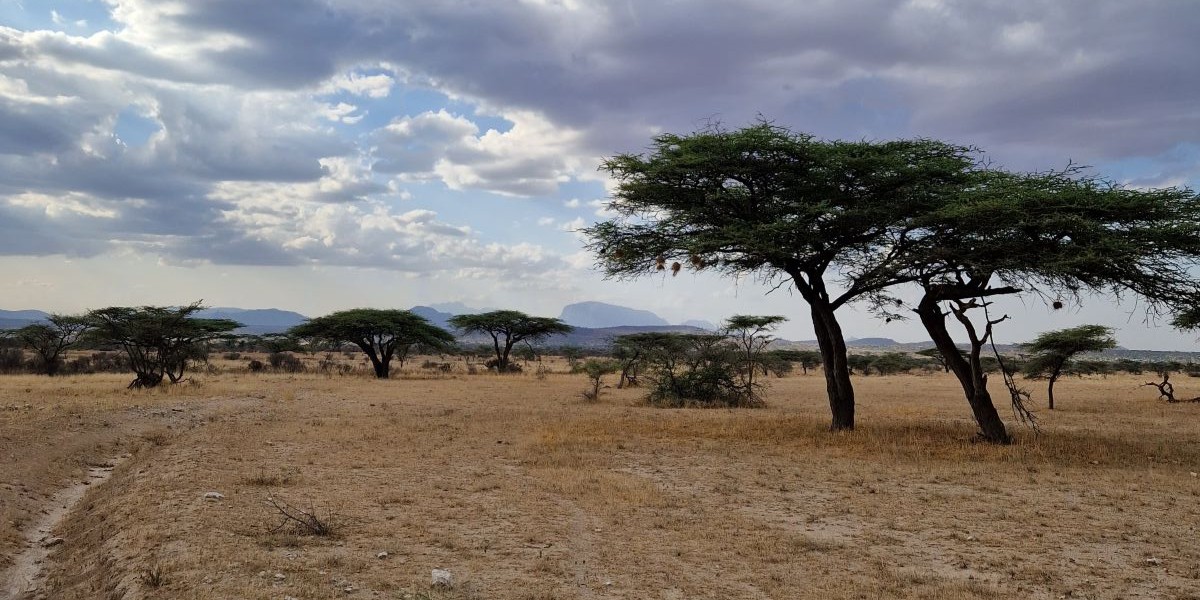
Luke Misra reflects on tree planting schemes in South African savannas.
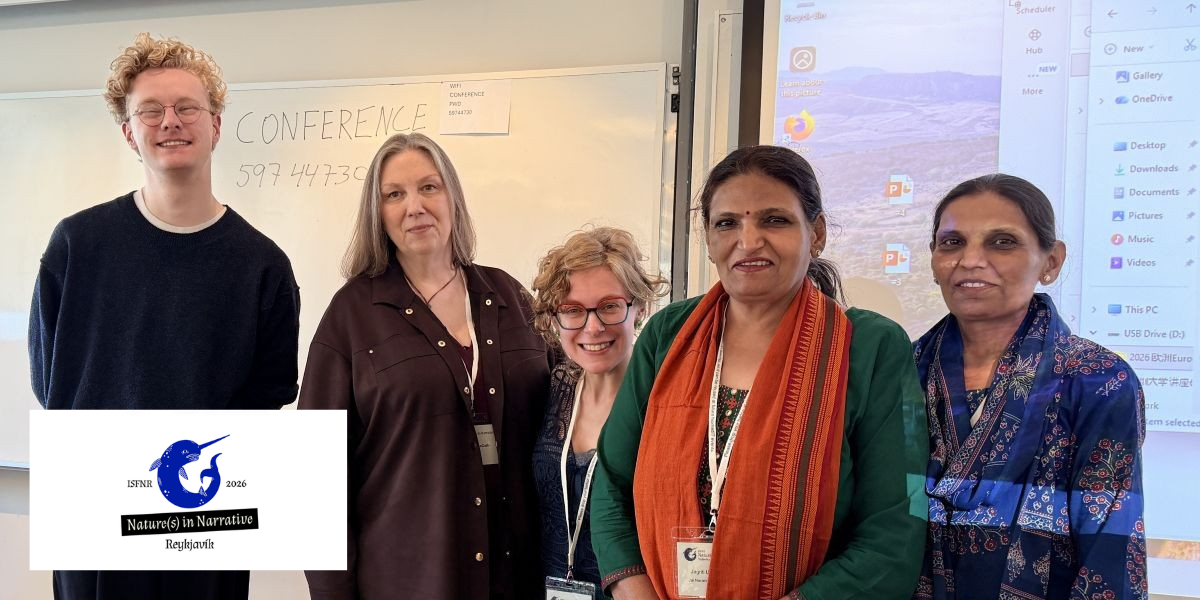
PhD student Tracey Hayes attended the recent interim conference hosted by the International Society for Folk Narrative Research in Reykjavik this June.
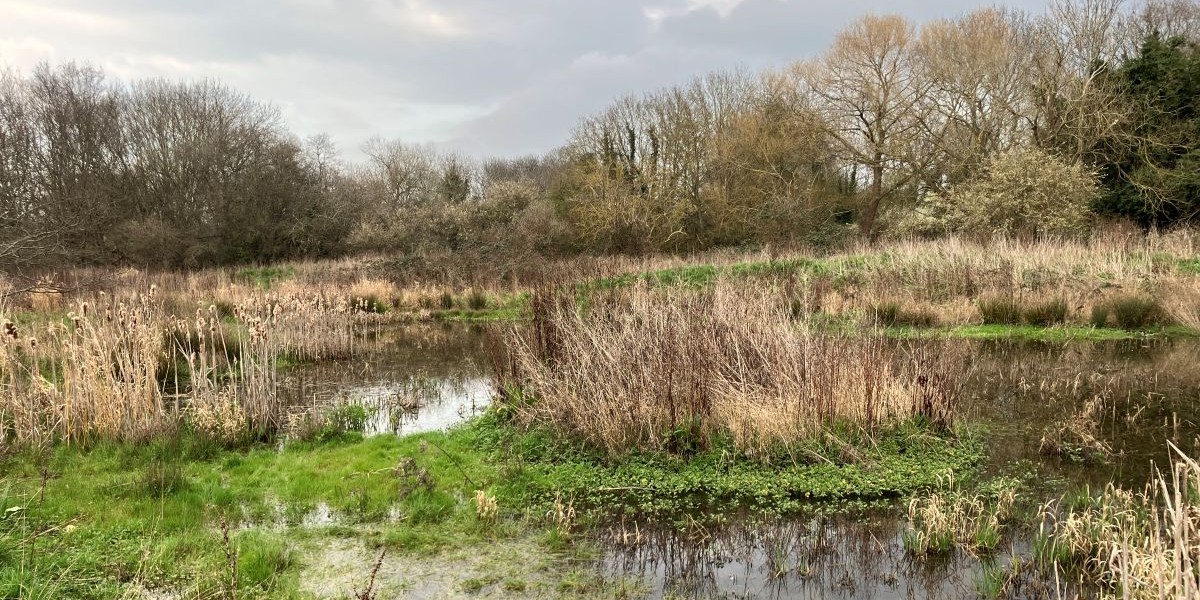
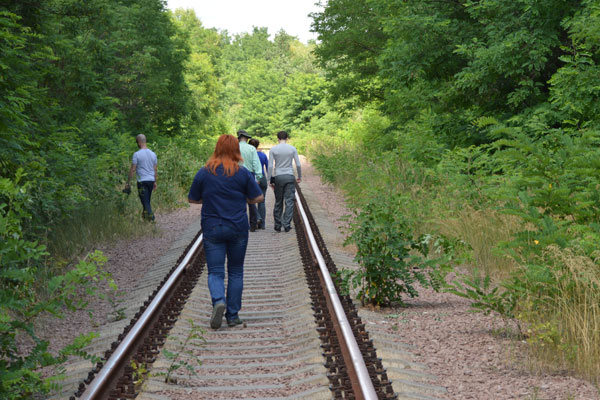
PhD researcher Georgina Mitchell recently presented her initial findings from walking interviews with people working on urban rewilding projects across London
People
Our Centre represents an interdisciplinary collaboration between multiple departments at the University of York, the University of Sherbrooke, University College London and the University of St Andrews.
Our expertise is wide-ranging and our researchers consider the changing relationship between humanity and the natural world, and how we might maintain and develop a sustainable Earth.
Professor Lindsey Gillson - Director of the Leverhulme Centre for Anthropocene Biodiversity
Cross-cutting themes
Change is a defining feature of the Anthropocene, requiring agile and creative adaptations. LCAB research helps to leverage human ingenuity to create, conserve, restore and adapt social-ecological systems that safeguard biodiversity, while meeting the needs of people in ways that are fair and just.
Professor Lindsey Gillson, Director of the Leverhulme Centre for Anthropocene Biodiversity