Skip to content Accessibility statement

Ecological Management Plan 2026-2035

Setting out inclusive, sustainable and practical actions to enhance biodiversity, sustainability and wellbeing across our campus.

The University of York is privileged to have access to large areas of greenspace and open water, providing habitat for wildlife as well as enhancing the experience of campus users. The new Ecological Management Plan provides inclusive, sustainable and actionable recommendations to enhance biodiversity, sustainability and wellbeing at the University. It goes beyond monitoring and management of biodiversity. It is a University commitment to considering the more-than-human impact of decision making on campus. 

By working together across teams and faculties to identify problems and opportunities, pool resources and co-create solutions, we can align our core activities of education and research with nature-positive decisions. This will not only benefit the whole University community, but will enhance York's Unique Selling Point and demonstrate our commitment as a University for the public good. 

Ecological Management Plan 2026-2035 (PDF , 5,200kb)

Our vision

A nature-positive campus that supports all members of the University community, whatever their role, background or species, to achieve their full potential.

Our mission

To develop and implement an ecological management plan in partnership with campus users and managers, that provides inclusive, sustainable, and actionable recommendations to enhance biodiversity, sustainability and wellbeing at the University.

Strategic themes

The EMP is structured around five interconnected pillars — monitoring and management of biodiversity, education, research, and wellbeing — and provides practical and inclusive recommendations to support both people and nature at the University.

Biodiversity management and monitoring
  • Enhance biodiversity habitat through measures including sensitive management of woodlands and hedgerows, reduced mowing and chemical usage and selected sowing of wildflowers in grassland areas.
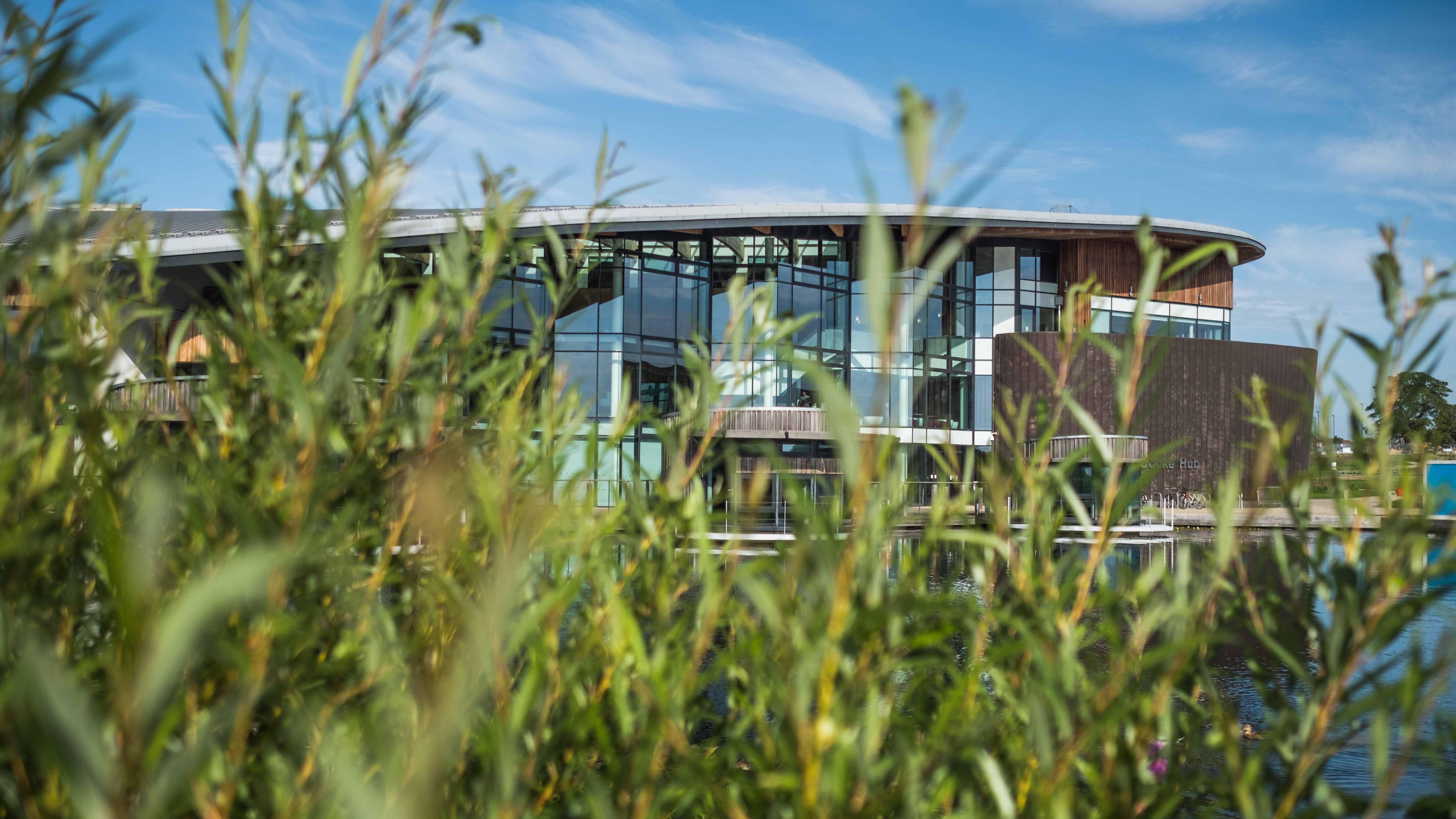
  • Improve water quality of West Lake through floating wetlands, management of fish and aquatic macrophytes and increased aeration.
  • Consider reprofiling the lake during Campus West redevelopment.
  • Consolidate identity of Campus East as a nature reserve and Campus West as a botanic garden, with improved connectivity throughout.
  • Establish and maintain regionally and nationally significant populations of target species, through (re)introductions and tailored conservation of species on campus.
  • Carry out regular biodiversity monitoring that is integrated into undergraduate and postgraduate teaching, training and research.
  • Sustainably curate and manage biodiversity data in a form that is accessible to staff and students to help deliver on our commitments to enhance biodiversity.
Education and research
  • Strengthen the identity of our campus as a living lab. Design teaching and learning that enhances the monitoring and management programme.
  • Explore expanding our range of taught MSc and CPD opportunities in the ecology and sustainability space. Embed ecological monitoring into undergraduate, postgraduate and CPD courses where possible.
  • Consciously develop a culture where outdoor teaching and research is embedded across all curricula (not just Environment and Geography and Biology).
  • Building on the success of the YEAR centre, develop more outdoor teaching, performance and social spaces to cater to a diversity of teaching, wellbeing and social needs.
  • Improve signage and information on biodiversity and campus management, to encourage campus users to connect with nature and understand the reasoning behind changes in management.
Wellbeing
  • Increase diversity, usability and accessibility of campus green spaces via a range of outdoor teaching, meeting and event areas.
  • Create biodiverse green routes through campus with biodiversity sensitive lighting that enhance habitat connectivity but also user safety and accessibility.
  • Nurture a culture of outdoor working and learning.
  • Curate a range of opportunities for campus users to connect and engage with nature e.g. volunteering, tree, art and heritage trails.
  • Engage the wider community with campus management, e.g. through tree planting, removal of alien species and biodiversity monitoring.

Commitments and achievements so far

Nature Positive pledge
to restore species and ecosystems and enhance the University's positive impacts on nature.
Green Flag status
Our 500-acre parkland campus has been awarded a Green Flag by the Keep Britain Tidy charity.
Hedgehog Friendly Campus
Our campus has been awarded Platinum status for being a suitable and safe place for hedgehogs to thrive.
Bees’ Need Champion Award
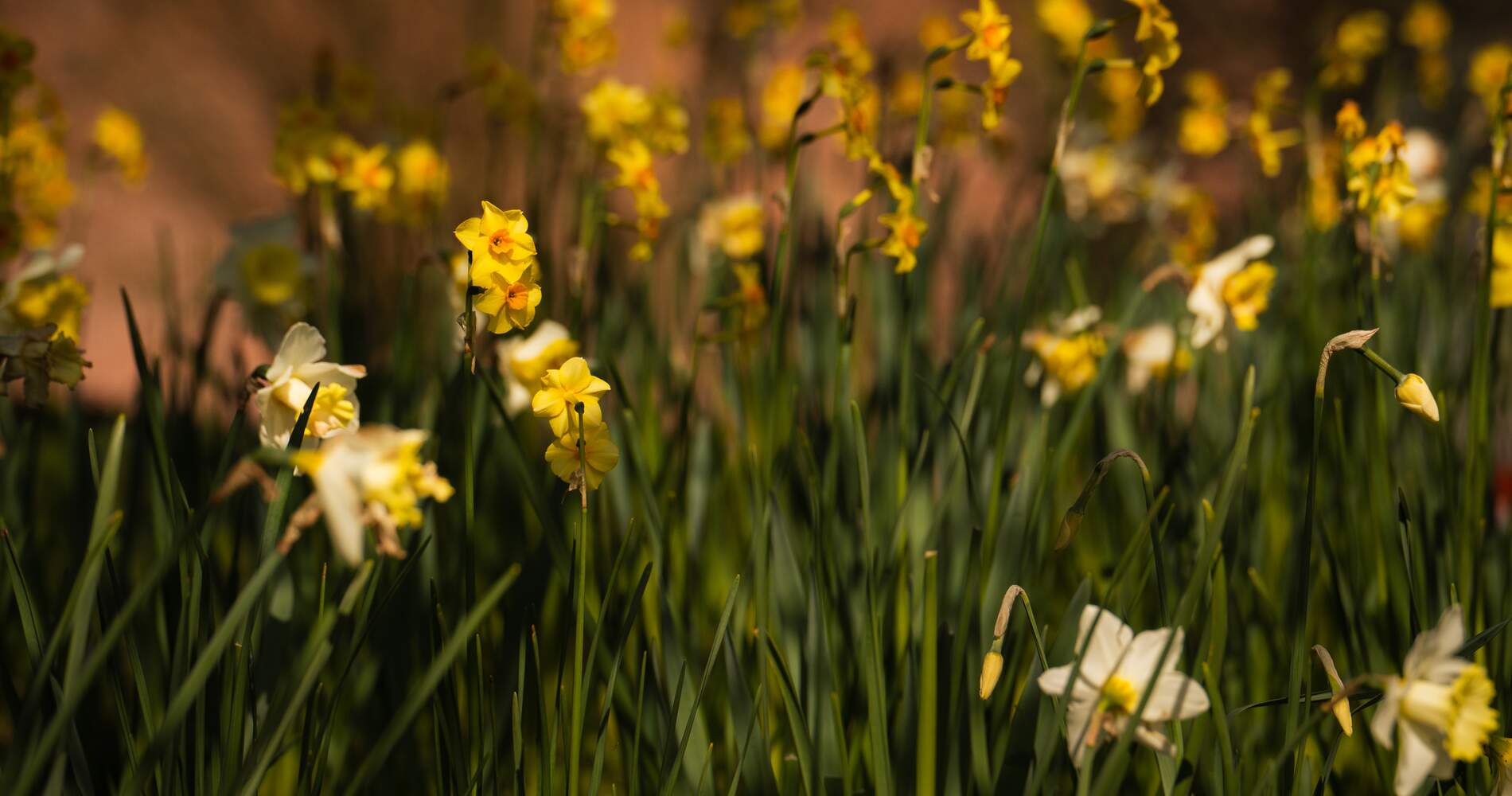
For our initiatives to help pollinators, such as creating species-rich meadows and reducing grass cutting.
Tree Trail launch
Our InTREEgue network launched a tree trail, connecting with Nature on Campus and Tree Trail events as part of York Festival of Ideas 2026.
ISO14001 certified Environmental Management Systems
Putting measures in place to prevent pollution and continually improve our environmental performance.
Awareness through events
Blackthorn planting and Nature Bingo activities during Sustainability Week and Mental Health Week.
Baseline biodiversity surveys
We instigated our biodiversity monitoring programme in 2025, including a butterfly introduction feasibility study, and repeated the survey in 2026.

Flagship project: a floating wetland on Campus West

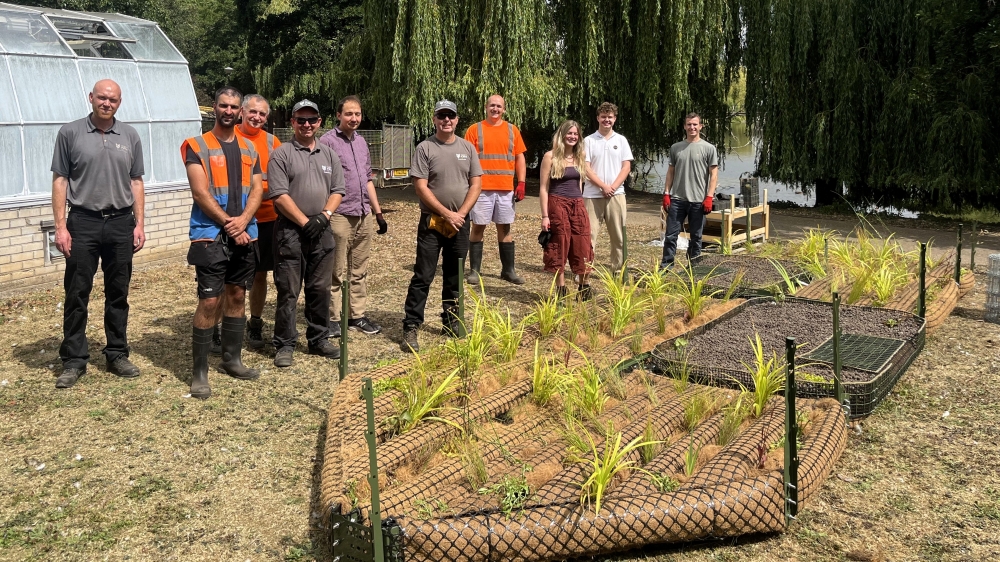
A new floating wetland is being launched on Campus West lake at the end of July 2026 as one of the flagship projects in the EMP, helping to enhance biodiversity and naturally filter the water. Located between Biology and Eric Milner White accommodation, it will grow into a safe sanctuary for birds, pollinators and fish, protected from people and predators.

Take a walk to see it develop over time.

A campus for the future

Though funding is currently constrained, here are some of the aspirational ideas that could be included in future campus remodelling, or form the basis for individual flagship grant applications. These ideas are cross-cutting and provide benefits to broad swathes of campus users:

  • Restoration of the Walled garden and development of on-campus horticulture
  • Biodiversity reintroductions
  • Garden bridge and biodiversity gateway to the University
  • Community orchards and apple festival
  • Outdoor amphitheatre for outdoor performance and teaching space
  • Field station
  • Towards a circular economy on our campus

Explore the plan

Contributors

The report was led by Professor Lindsey Gillson and Professor Pen Holland. Many thanks go to the writing team, Directorate of Estates, the University Grounds Team, Environmental Sustainability at York (ESAY), the Leverhulme Centre for Anthropocene Biodiversity (LCAB), the Sustainability Steering Group (SSG), and everyone who contributed to the campus survey and development of the plan.