


Social media
Get all the GCCE updates via Facebook.


An international flagship for the promotion of sustainable chemistry.
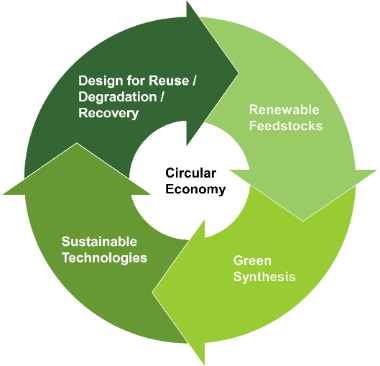
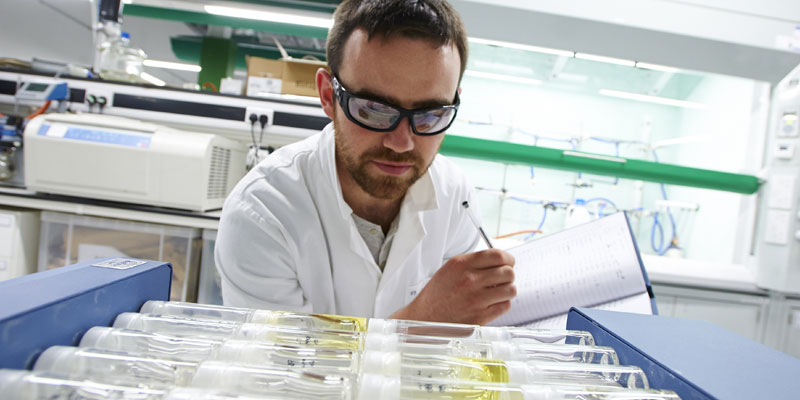
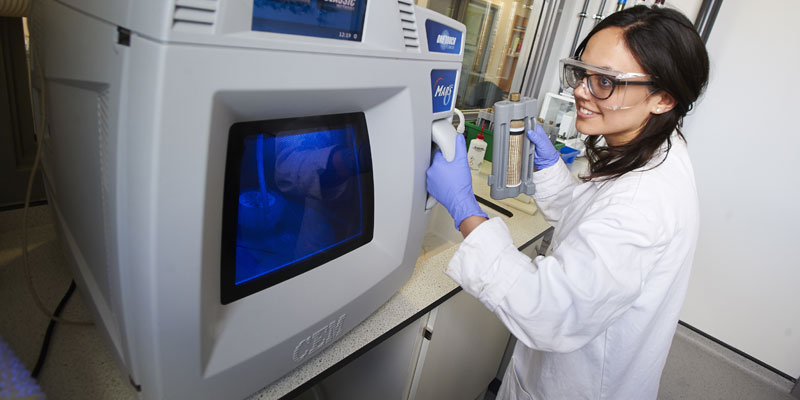
We're developing new green and sustainable processes and providing practical solutions for current industrial and environmental challenges.
Our research covers a wide range of subjects and has a particular focus on the following four key areas.
We are interested in hearing from dynamic, enthusiastic and motivated researchers who would like to join the GCCE. Currently, there are opportunities for research at all levels including Undergraduate and Masters Research Projects, PhD and Post-doctoral positions.
Joining us for the Masters Taster Day on 18 March? Here's all you need to know.
York academics and students from the Department of Chemistry travelled to the University of Oxford on the 12 January 2026 for the launch of the EPSRC Centre for Doctoral Training in Chemical Synthesis for a Healthy Planet (CSHP CDT), a jointly delivered CDT by the Universities of Oxford and York.
Students and academics from the Process Industries: Net Zero Centre (PINZ CDT) for Doctoral training travelled to Newcastle University for the CDT’s annual conference. York students presented their work alongside their peers from the CDT.
We are pleased to announce that the Green Chemistry Centre has been awarded Green Impact Lab Accreditation for their hard work in lab sustainability.
Green Chemistry Centre of Excellence