Expert Comment: Georgian fascination with conversation
Posted on Tuesday 1 May 2018
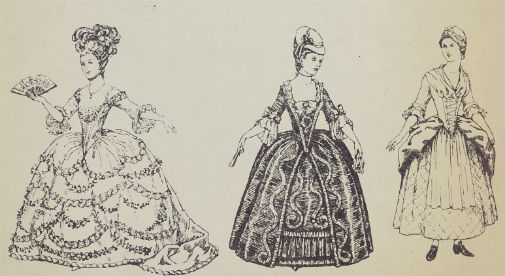
“Eighteenth-century conversation might seem formal to us, but it wasn’t in comparison with aristocratic protocols of talk that had previously ruled.
“Georgian definitions of conversation often praise its egalitarian potential. Magazines and handbooks were written to help ordinary people improve their conversation skills. They circulated the same tips we know today: don’t interrupt, listen to others, take turns, be agreeable.
Exchange
“People filled their homes with objects to encourage lively talk: perhaps a family portrait done in the new informal style of the ‘conversation piece’. New public places were founded to promote sociability, including coffeehouses and assembly rooms.
“In York, the assembly rooms on Blake Street and the river promenade alongside the Ouse allowed residents to practice conversation.
“Sociability kept business and information flowing in a world where economic and social values were becoming a matter of exchange. Conversation was understood as open to both women and men.
Aspiration
“The philosopher David Hume thought that women were ‘sovereigns of the empire of conversation’. Some women, like Elizabeth Montagu, born in York, ran salons in their homes.
“Tactful and easy exchange appears as an aspiration in the era’s literature. Jane Austen’s novels are filled with sparkling dialogue for example.
“Characters are often defined by their conversation skills: there are those who put others at ease and others who dominate with flashy bragging (prototypes of the ‘mansplainer’). Austen’s characters, especially her women, often long to talk freely with others, but find themselves thwarted by social and family expectations.”
Dr Chloe Wigston Smith discussed conversation in the Georgian era on 1 May on BBC Radio York.