District Six Museum
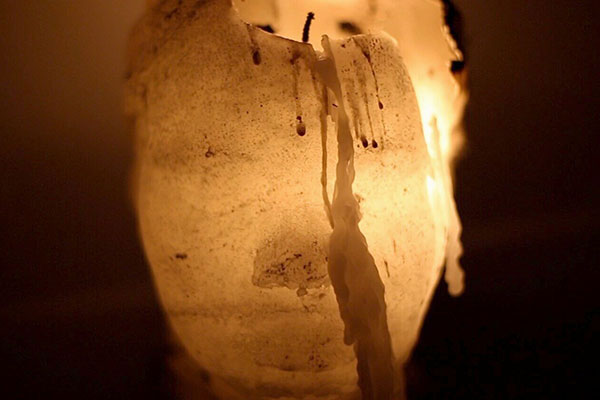
District Six Museum Plaque
District Six Map
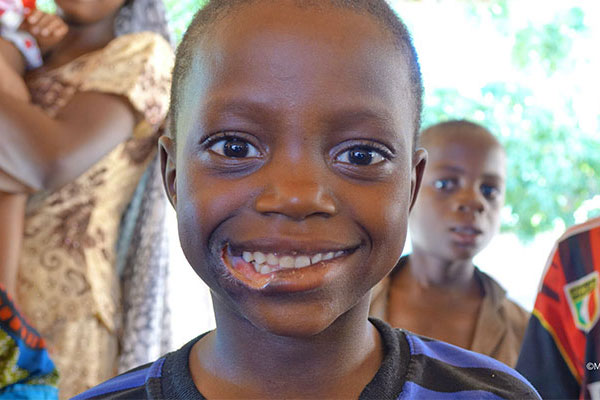
Students with members of District Six - 2008
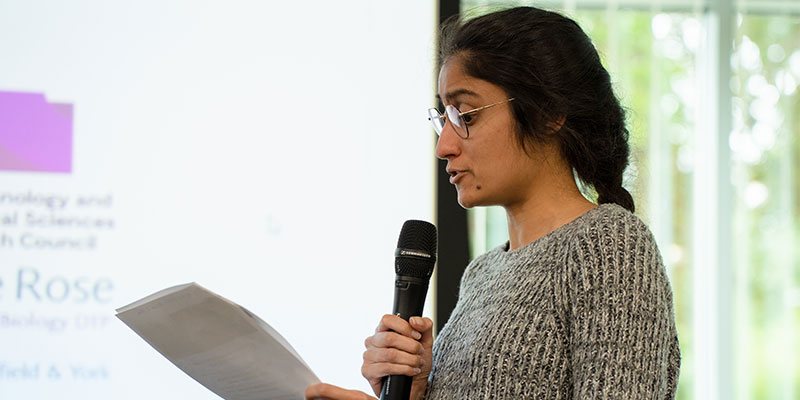
Student in discussion - 2008
Students with the Women's Circle 2008

Students at the Athlone Memorial - 2010
Students in District Six on a political tour of the city.
Gaining direct experience of fieldwork is a key component of the MA in Applied Human Rights. The fieldwork takes place either in Cape Town, South Africa, or in York over a two week period in weeks 8 and 9 of the autumn term. Projects are based on partnerships with local organisations. Students, in small groups, will be expected to forge a relationship with one organisation, which will develop over the course of the year of the MA. As such, the experience mirrors a classic human rights mission, requiring the following elements:
South Africa has one of the most progressive Constitutions in the world but is also often cited as a country where the gap between human rights and legal ideals on the one hand, and everyday realities on the other, are very stark. Alongside the Constitution, South Africa is applauded internationally for other human rights interventions such as the Truth and Reconciliation Commission addressing apartheid-era human rights abuses. But contemporary South Africa still faces a huge range of human rights problems including poverty and inequality, HIV/AIDS, high levels of social and criminal violence (especially against women), and xenophobia. South Africa is an excellent setting in which to gain an insight into both extraordinary human rights innovation and activism as well as enduring human rights challenges.
In previous years students have worked with organisations ranging from social movements and grass roots organisations to established NGOs with international reputations. Projects in 2011 included drafting an advocacy strategy on individual and community reparations for apartheid-era abuses for the Centre for the Study of Violence and Reconciliation; monitoring and writing blogs on events linked to the 16 days of activism against gender violence for Sonke Gender Justice Network; preparing a training manual on the right to adequate housing (and evictions) for the International Labour and Information Group (ILRIG); and assessing a community policing project and ways of improving local networks for the Women's Circle, a grassroots women's organisation.
Please note: Students will need to budget for the field visit over and above fees and living expenses for the MA (approximately £1250 to £1400).
Students who decide to stay in the UK (because of visa, family, financial, or other reasons) will have the opportunity to do placements with locally based organisations, with international NGOs based in the UK, and with the Centre’s visiting human rights defenders. Recently, project partners have included Refugee Action York (a local refugee rights organisation), the coalition promoting York as a Human Rights City, the Kurdish Human Rights Project (now the Democratic Progress Institute), the Russian Committee Against Torture, and the Assistance Association of Political Prisoners of Burma. As with the Malaysia placements, local projects seek to respond to the particular needs of the partner organisations. Past projects have included a mapping of local NGOs' work on human rights issues, the development of public education material in support of York becoming a “City of Sanctuary” for refugees, and, the drafting of a handbook for the families of political prisoners in Burma outlining the minimum standards of care owed to prisoners in Burmese jails.
On my first day in Cape Town, the city’s beautiful mountainous landscape, uniquely designed architecture and a friendly local population surprised me. At first glance, Cape Town appeared similar to many western cities I had visited as a tourist. Yet after spending the remaining 14 days of my trip predominately travelling around the city outskirts, going into slums and townships and interviewing people on their housing conditions, I experienced what is in my view the ‘real’ Cape Town: a city ravaged by poverty, unemployment and homelessness. My group in South Africa worked with ILRIG (International Labour Research and Information Group), a political organisation focused on research and the production of educational material and publications on a wide range of socio-economic issues. ILRIG collaborates with different labour and social movements, as well as communities on the ground, to promote the grassroots organisation of activists on the issue of inadequate housing and land evictions. Our project was centred on the city’s ever growing housing crisis, and we conducted interviews with residents of informal settlements, backyard shacks, and public sector housing. The practical skills and experiences we gained were immeasurable, and included the ability to communicate effectively with others and proper interview techniques. I feel very fortunate to have had the opportunity to travel to Cape Town and experience first-hand the stories I heard in the field.
Amie Lajoie, MA student; worked with ILRIG
At the start of the course I had my mind set on staying in York and completing a project here. However, when information on the projects in South Africa was provided it wasn’t long before I changed my mind. The project I chose to work on was on reparations for apartheid era human rights abuses. It involved interviewing MP’s, former members of the Truth Commission , NGO staff, lawyers and activists, as well as other key individuals with knowledge of advocacy and reparations. Our project was to help the South African Coalition on Transitional Justice (SACTJ) review alternative policy options and provide suggestions for an advocacy strategy on reparations. The work helped me understand how NGOs work and provided me with experience, knowledge and confidence that will in no doubt help me in my future career. At the end of the two weeks I felt pleased that we had undertaken almost 30 interviews. I felt a sense of achievement.
Although the two weeks involved a lot of hard work, there was still time to have fun. The guest house where we stayed was brilliant, there were always treats put out for us when we returned from work as well as the generous breakfasts that often left me confused for choice. Going up Table Mountain, seeing the penguins and visiting Robben Island were among the highlights. A political tour was arranged for the first day in Cape Town in which we visited townships and memorials. The experience was difficult but provided an insight into the glum history of the apartheid era. The tour was essential as I felt it was easy to get lost in the glamorous side of the city - the tour brought me back to the reality of the country.
Now back from South Africa I am very pleased I made the decision to go on the field trip. The trip has also helped me establish some lasting friendships and put many things into perspective. I feel the experience cannot be described as less than amazing and an eye opener.
Safina Khan, MA student; CSVR
Placement feedback from previous years
Breaking the Silence exhibition organised by 2008/9 students