
Power in their hands
-
Case study
- Environmental Sustainability and Resilience
Posted on 31 October 2021
Our researchers studied community energy projects in central Mozambique to understand how ‘rising powers’ are supporting the transition to low carbon energy systems in southern Africa.
The issue
Access to energy services in Sub-Saharan Africa is the lowest of any region in the world and with the population expected to grow and urbanise, energy demand is expected to rise by 80 per cent by 2040.
With many communities experiencing debt, environmental change and political conflict, achieving a low-carbon energy transition in Sub-Saharan Africa will help support economic development and eradicate poverty.
In recent years ‘rising powers’ such as China, India and Brazil have had a growing presence in Africa and are influencing the continent’s energy (and other infrastructure) systems. They have already invested heavily in energy infrastructure in Africa and are in a position to support transitions to clean and low-carbon development.
The research
This research examined how, why and to what extent the rising powers (specifically China, India and Brazil) are supporting the transition to low carbon energy systems in southern Africa.
The project explored the power relationships at play in decision-making, policy structures and investment patterns in renewable energy development in Mozambique and South Africa. It asked: Who governs energy transitions in these contexts, how and to what purpose? Who sets the terms of transition? Who participates in decision-making on energy policy and whose interests are served? What are the implications for accessibility and sustainability for energy services in the region?
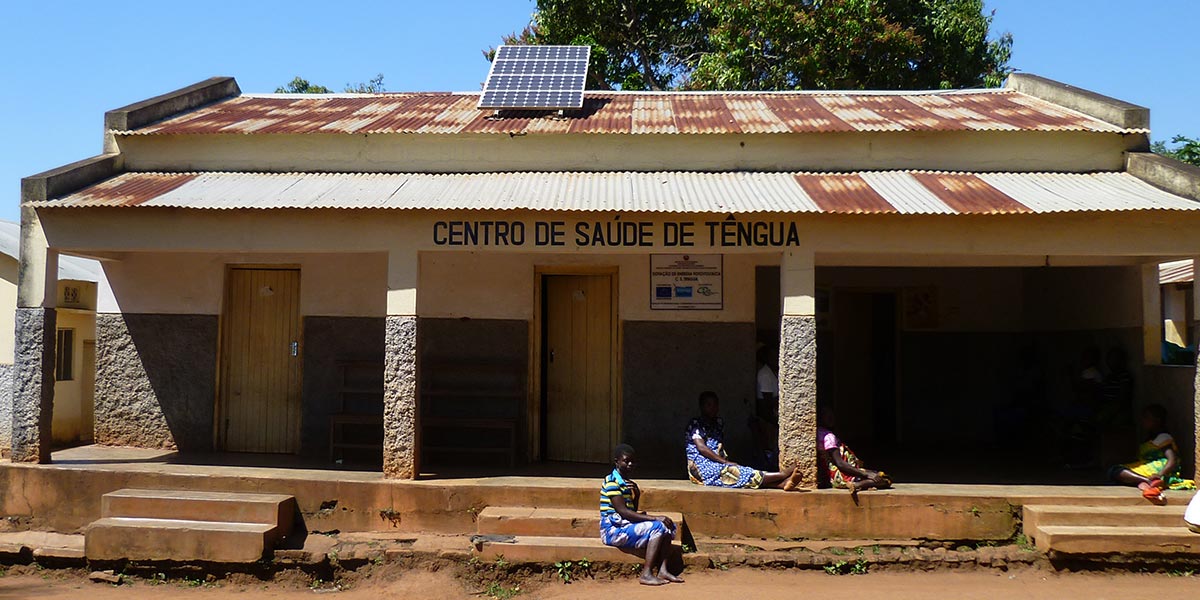
Using a combination of semi-structured interviews and community-based participatory research methods, the researchers explored the experiences of energy access and community-level energy on-the-ground, across a range of technologies, including off-grid solar PV mini-grids and micro-hydro systems. They focused particularly on the provision of energy services for productive uses, such as for cooking, lighting and mobility, and the affordability, accessibility, and sustainability of energy services in the region.
The outcome
The research found that although the rising powers are still investing heavily in carbon-intensive systems, they are beginning to invest in renewable energy projects in Africa. Their decisions are predominantly driven by a variety of economic and political goals, although African actors are actively negotiating transitions and other emerging economies are becoming increasingly significant eg South Korea, Malaysia, Thailand, United Arab Emirates and Turkey.
Mozambique and South Africa appear to be on somewhat different energy pathways. While Mozambique still has a fossil fuel-dominated, high carbon regime in place, South Africa has a new emphasis on low carbon, including large grid-connected solar PV installations. In both countries, there are growing attempts to diversify the energy mix and increased interest among the rising powers to invest in renewable technologies and infrastructures. However, renewable energy progress is inconsistent and varies across communities.
Additional project images

Joshua Kirshner
Dr Kirshner's research interests lie in urban development and planning, energy, climate disruption and sustainable societies.