
Unravelling the mysteries of the gribble gut
-
Case study
- Environmental Sustainability and Resilience
Posted on 31 October 2021
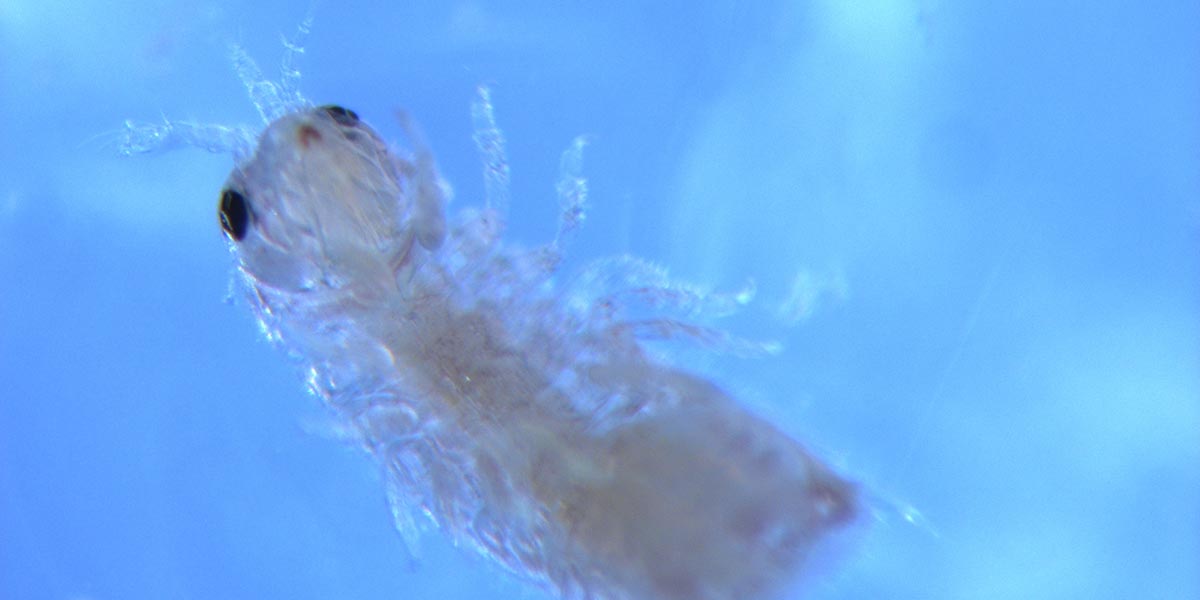
Scientists at York are studying the amazing wood digesting powers of the gribble, a tiny sea creature that burrows into wooden boats and piers in search of food and shelter.
The issue
Woody plant biomass, such as waste from agriculture and forestry, is the most abundant biological resource on the planet. It has the potential to provide many of the fuels and chemicals we currently obtain from petroleum, but without the carbon footprint.
Plant waste, known as lignocellulosic biomass, is composed of equal parts of:
- cellulose (a polymer of glucose)
- hemicellulose (a complex polymer of various sugars)
- lignin (a polyphenol).
Between them, these polymers can provide us with sugars for fermentation to produce a range of products and aromatic chemicals to replace those from the petrochemical industry.
This potential is clear, and the pathways to make lignocellulose into useful products are well understood. But the development of these new sustainable industries is currently held back by the cost of deconstructing lignocellulose into the required sugars and aromatics. This is because lignocellulose is a tough and durable material that is insoluble and hard to break down. At present, the costs of enzyme cocktails, and the associated pretreatments required for this decomposition represent the biggest barrier to producing economically competitive lignocellulosic sugars for biorefineries. Any improvement in the process to deconstruct lignocellulosic biomass could have a big impact on the overall efficiency and economics of sustainable bio-based industries.
Remarkably, a range of invertebrate animals have evolved digestive systems that allow them to thrive on a diet of lignocellulose. One of these animals is the gribble, Limnoria tripunctata. This remarkable little crustacean wood borer thrives on a diet of wood without the help of bacteria or other microbes contributing to its digestive system.
The research
We are studying the digestive system of wood borers and have identified a range of tools (enzymes) that are potentially involved in the deconstruction of the three different parts of wood. We are producing these enzymes in test tubes in a bid to recreate the digestive abilities of the gribble in the lab.
The outcome
We aim to combine the most efficient enzymes in a cocktail that can break down lignocellulose into sugars which can then be fermented into sustainable biofuels.

Katrin Besser
Dr Besser's research focuses on enzyme discovery and characterisation for the realisation of efficient liquid biofuel production from plant biomass.