Skip to content Accessibility statement

Meet your tutors

Congratulations on receiving an offer to study with us! History at York has over 40 academics, researching and teaching across a wide range of historical periods and geographical areas. We wanted to give you a chance to find out more about one of them.

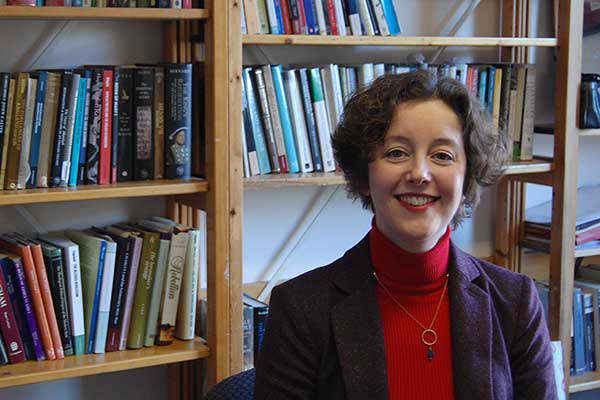
We sat down with Professor Laura Stewart. She talks about her passion for 17th-century Scotland, its relevance today, and what you can expect when you join us.

History inspired me

I’ve always loved history, and always knew I wanted to study it at university. It was the revolutions and conflicts of the 16th and 17th centuries that fired my imagination. They involved ordinary people doing extraordinary things.

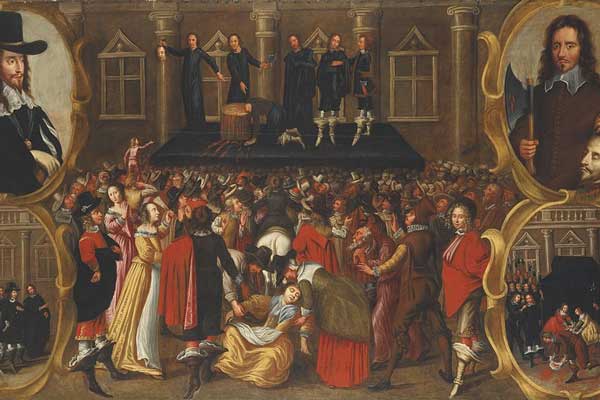
At this moment in time, we are being confronted with big questions about how rulers can be held to account, when war is justified, and what we should do when politics becomes polarised and violence threatens. These issues were fundamental to the civil wars that broke out in Scotland, Ireland, and England in the middle of the seventeenth century. The result was revolution: King Charles I was judicially executed for treason against his people, an English army conquered the British Isles, and the first and only Republic in our history came into being. These events shaped the formation of the modern British state and gave us ideas about ‘liberty’ with which we still grapple today.

The Execution of Charles I of England, Formerly attributed to Jan Weesop (fl. 1641–1652), Public domain

Understand the past…

What makes the revolutionary era so exciting is that conditions of war and political breakdown make visible to us those people who are normally hidden from history. Men and women experimented with new ideas and challenged authority. They organised petitions and demonstrations in London and Edinburgh, wrote pamphlets in their own words, and experimented with new ways of expressing their beliefs. Women were integral to these developments. That really interested me. Although women were often victims of conflict, and we cannot ignore that, the civil wars were also a time of opportunity. Some women claimed a measure of independence and authority that was unprecedented. Yet the ‘traditional’ political order was restored in 1660. What were the long-term consequences of the revolutionary era? Historians are still debating that question today!

…make sense of the present (and future)

We're now going through a period of intense political turbulence. The British state is under pressure and our politicians are offering us radically different visions of what kind of society we want to live in. Are the kinds of democracies that evolved in Europe out of a succession of revolutionary crises ‘fit for purpose’? In the seventeenth century, politicians complained that the ‘explosion’ of cheap, readily accessible print made it impossible for people to know what was ‘true’ and what was ‘false’. Pamphlets and newsbooks were seen as fuelling dangerous and extreme opinions. Today, social media and artificial intelligence are generating similar anxieties. History does not simplistically give us the ‘answers’ but, by studying such dilemmas in past societies, we gain the ability to ask the right questions, challenge received wisdom, and critically analyse what the politicians and media are telling us.

I’ve been extremely lucky to follow my dream and become a professional historian. My books have won international awards and I love being in the archives, finding out new things about past societies. Being a historian is more than this, however: it’s about being curious. We’re always asking ‘Why?’. It’s important to me that historians use their unique critical skills to communicate with audiences outside academia. That’s why I was so delighted to appear on BBC Radio 4’s “In Our Time”, where I talked about the Scottish Covenanters, who mounted a ‘popular’ rebellion against Charles I and kickstarted the civil wars. With so much uncertainty in our world right now, curiosity, open-mindedness, and respect for different opinions are going to be crucial to creating the brighter future we want for ourselves and the people coming after us.

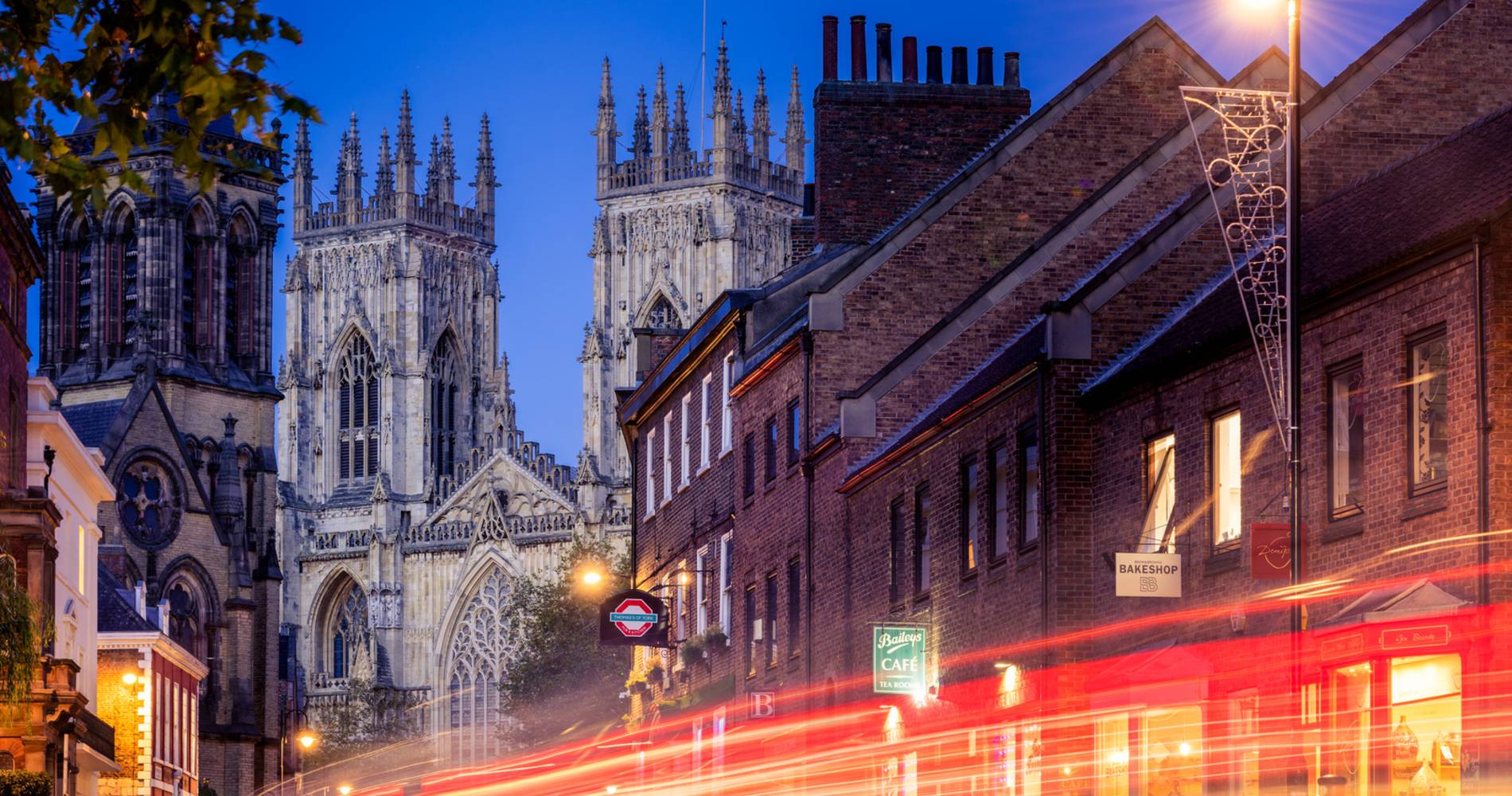
York Minster at night

Exciting times

It's an exciting time for History at York. We’ve expanded and our teaching and research now covers all the inhabited continents of the globe. I was proud to be Head (until 2024) of a Department that can boast of committed and talented students, and amazing colleagues researching at the cutting edge of their fields. But we’re also a community and we support one another. That’s why, ultimately, I think York is one of the best places to study and work.

A strong community

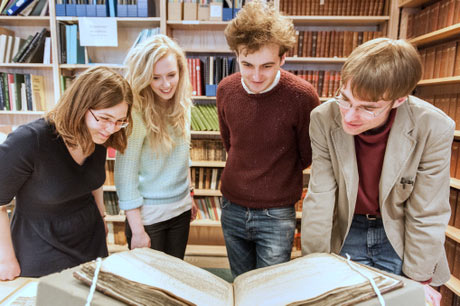
I moved to York in 2016 after ten years in London. Since I've worked here, I've been impressed by our strong sense of shared purpose. When you join us, you'll become a part of our community, something bigger than yourself, where you’ll have the chance to meet people from different backgrounds and many parts of the globe. What unites us, of course, is our curiosity and our love of history.

The best things about working for York are celebrating what our wonderful students accomplish in their academic life, and knowing I’ve had a small part in their achievements. With our support, you’ll become what defines a York student: a confident, articulate, but caring person, interested and endlessly fascinated by the world around you and the people in it. With a York degree, you have a great future ahead of you. My colleagues and I cannot wait to meet you.

Get in touch
Read student blogs
Subscribe @UoYstudentvlogs