Norse code: University of York boosts sustainability by moving its “Viking” computer cluster to renewable data centre
Posted on Tuesday 28 May 2024
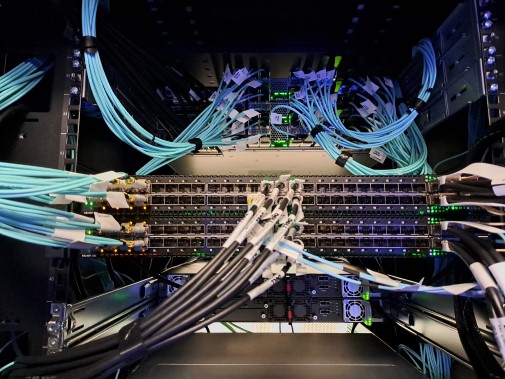
EcoDataCenter, the Swedish data centre which is now home to Viking 2, runs on 100% renewable energy; 75% from hydropower and 25% from wind power. It is also the world’s first data centre to be made from wood.
It is almost double the size of the previous facility making it a powerful tool for supporting the University’s Gold-standard teaching and internationally leading research.
Academic progress
Data Centres act like well-organised libraries for research data generated by experiments, surveys and simulations. By providing a secure and centralised location for this data to be stored they ensure sensitive information is kept safe and make it easier for other researchers to access information, fostering collaboration and supporting academic progress.
While at its previous data centre, York’s high performance computer facility helped to secure at least £20 million worth of research grants, it is hoped the new larger system will build on this success as it contains more Graphics Processing Units (GPUs), enabling computational research to be undertaken faster and allowing academics to run bigger simulations and analysis tasks.
High performance computing consumes a lot of energy and produces a lot of heat. To combat this issue, EcoDataCenter has set up a process which uses the heat created by the computer clusters to dry wood and create pellets which themselves, are a renewable energy source.
Net-zero
Richard Fuller, Assistant Director of IT University of York, said: "Given the University’s strong commitment to net-zero, and the fact we will be doing climate research on this facility, it was extremely pleasing to find a partner so focused on environmental sustainability, and with the capability and maturity to deliver.
So much time is spent talking about sustainability, and it’s exciting to be taking positive steps, and to be leading on sustainable research computing facilities."
EcoDataCenter’s commitment to building data centres in the most sustainable way possible means that research at York has minimal environmental impact and also supports York’s principle of environmental sustainability. The University also partnered with the company Alces Flight on the project.
Bold
Dr Emma Barnes, Head of Research IT at the University of York, said: “Getting a sustainable solution was the most important factor when we were looking for a new home for our high performance computer facility. Historically when looking to improve our research computing service, we would look at how we could optimise the performance of our hardware and software. Now we want to maintain our service for users whilst also addressing other challenges, specifically the environmental impact of our work.
“This is by far the most energy-consuming IT service we offer and we hope that this can inspire other teams at York as well as in the higher education sector to be bold when looking at ways to make their work more sustainable.”
The University was recently awarded the Sustainable Digital Project or Initiative Award at the UCISA, with the move to EcoDataCenter forming a key part of the submission. The awards celebrate “innovative activities that provide exceptional value to their institution, while demonstrating a positive environmental sustainability impact for the future”.