Social media study reveals diabetics’ fear of disrupted insulin supplies because of Brexit
Posted on Wednesday 27 January 2021
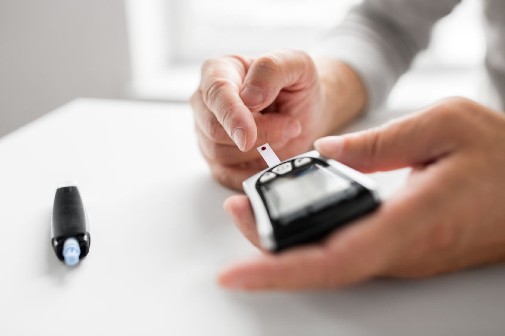
Insulin is the hormone that helps control the body's blood sugar level and is critical to the survival of many people living with Type 1 diabetes. Currently most insulin used in the UK is imported.
The research - by the University of York - analysed 4,000 social media posts from the UK and the States in order to explore the experiences of living as an insulin-dependent person. Around 25 per cent of the posts relating to health were made by diabetics and about nine per cent of all the posts were about availability of insulin.
Stockpiling
The study looked at tweets posted in 2019 before the Brexit negotiations were concluded but researchers said that people were concerned regardless of outcome.
Dr Su Golder from the Department of Health Sciences said: “People talked a lot about stockpiling and being scared of not being able to get insulin whatever the Brexit outcome. Many of the tweets on this topic discussed the fact that insulin was a lifesaver for them as it is for so many other Type 1 diabetics.”
The study also showed that the consequences to an individual’s health because of the cost of insulin was the most discussed topic in the States. Some talked about how they manage having to pay for their own medication with many facing the choice of paying for their rent or paying for insulin.
The research also identified issues patients may conceal from healthcare professionals, such as purchasing medications from unofficial sources.
Diabetic
Dr Golder added: “This research gives an insight into the real-life issues individuals face when taking anti diabetic drugs. It shows there is a fear of not having access to insulin, whether due to cost or physical availability and also highlights the impact of the sacrifices made to access insulin.”
Type 1 diabetes is a chronic condition in which the pancreas produces little or no insulin by itself. The most common is type 2 diabetes, usually in adults, which occurs when the body becomes resistant to insulin or doesn't make enough insulin. The World Health Organisation estimates about 422 million people worldwide have diabetes.
In the UK, more than a million people with diabetes in the UK rely on insulin, according to the charity, Diabetes UK.