Scientists reach new milestone in vaccine development for neglected tropical disease
Posted on Monday 11 January 2021
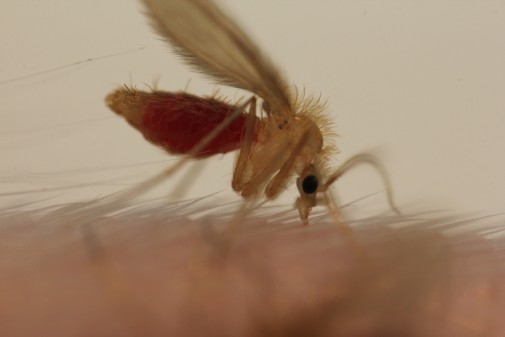
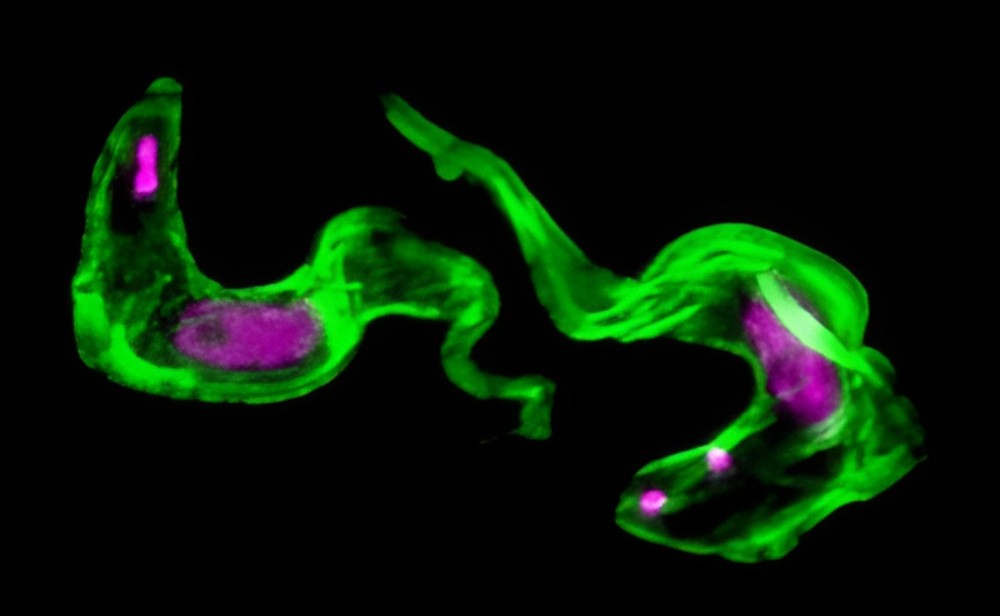
The University of York-led study identified and characterised a new strain of Leishmania parasite that will form the basis of a new controlled human infection model for the disease which is transmitted by the bite of sand flies. The team then produced the parasite to the standards required for use in human clinical studies.
Vaccine
The use of controlled human infection models has already proved invaluable in accelerating vaccine development for cholera, malaria, typhoid, influenza and other important infectious diseases. Such models are also being developed as part of the fight against COVID-19.
Around one billion people globally are estimated to be at risk of being infected with leishmaniasis in more than 98 countries.
Professor Paul Kaye from the Hull York Medical School who led the study said: “This is an important milestone for leishmaniasis vaccine development, bringing us a step closer to having the tools needed to evaluate potentially life-saving or life-changing vaccines in a timely and cost-effective manner.
“Reducing the financial burden associated with large scale clinical trials is of particular significance, given the limited funding available to develop vaccines for neglected diseases such as leishmaniasis.”
The next phase of the research project will seek to recruit healthy volunteers to participate in a clinical trial to see how the body responds to the parasite and to determine how many participants are needed in future vaccine trials to determine vaccine efficacy.
Ulcers
Leishmaniasis is characterised by slow-to-heal skin ulcers that may spread to other areas of the body or mucosal surfaces causing lifelong stigma, or to the internal organs resulting in the potentially fatal visceral leishmaniasis. Current drug treatments are inadequate and there are currently no vaccines for human leishmaniasis. There are a reported 1,500,000 new cases and 20,000-30,000 deaths annually.
Leishmaniasis is prevalent across Latin and South America, South Asia, the Middle East, East Africa and in European countries bordering the Mediterranean.
The research is a collaboration between the Hull York Medical School, the University of York, the Department of Parasitology at Charles University in Prague, the Department of Microbiology and Immunology at McGill University in Montreal, the Center for Geographic Medicine and Tropical Diseases at Tel Aviv University, Vibalogics GmbH, Cuxhaven and the Hebrew University-Hadassah Medical School in Jerusalem.
The research was funded by a Developmental Pathways Funding Scheme award from the UK Medical Research Council and the Department for International Development.