Researchers pinpoint factors in blood linked to severe Covid
Posted on Tuesday 21 December 2021
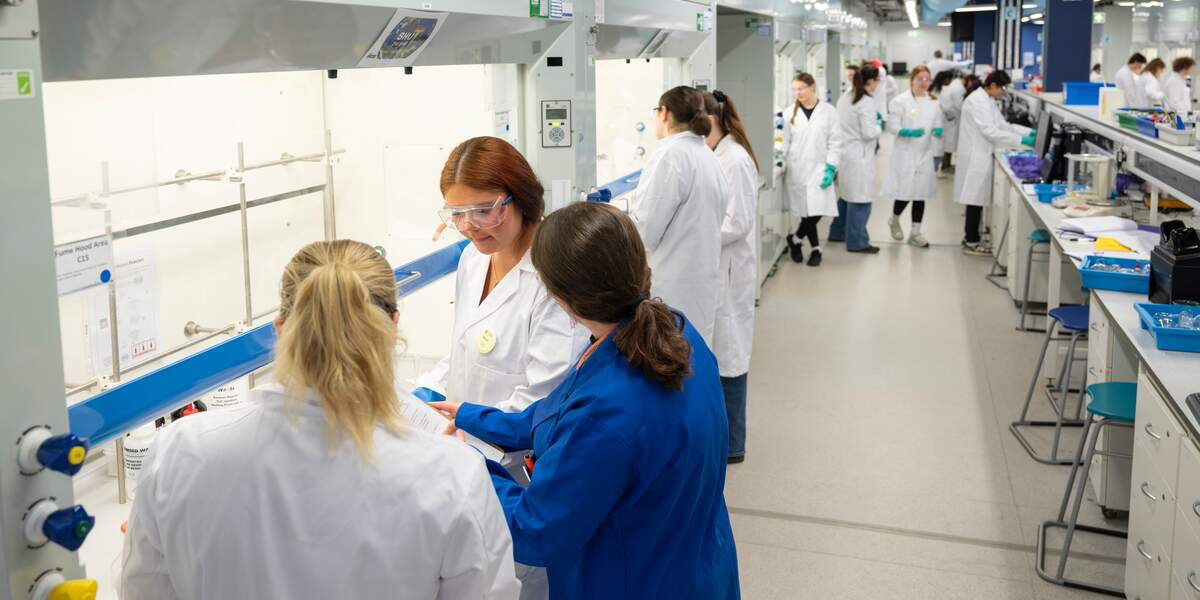
In a study led by researchers at the Hull York Medical School and Department of Mathematics at the University of York, the scientists analysed blood samples from hospitalised Covid patients. They detected markers in the blood associated with patients becoming so ill they needed treatment in intensive care.
The findings may lead to new ways for triaging and assessing the risk of Covid patients, relieving the pressure from hospitals during infection spikes.
Vital information
Since the start of the pandemic, researchers have been working to understand how and why Covid affects individuals differently. Even patients hospitalised with the disease have diverse treatment needs, with some milder cases simply requiring extra oxygen while others need invasive ventilation in intensive care.
The lead author of the study Dr Dimitris Lagos, from Hull York Medical School at the University of York, said: “Our study identified factors in the blood that are uniquely correlated with severe and fatal outcomes for hospitalised Covid patients.
“These findings support the observation that Covid is a disease that develops in stages and have the potential to provide doctors with vital information, allowing them to tailor treatments according to severity of disease and identify high-risk patients early.
“Importantly, our findings could provide the basis for new tests that are feasible in any hospital as samples we used were from routine blood tests already carried out as part of standard care for Covid patients.”
Immune response
The research, published in the journal iScience, involved testing blood samples from over 160 patients admitted to hospital during the first and second wave of the pandemic and was carried out in collaboration with York and Scarborough Teaching Hospitals NHS Foundation Trust, Manchester University and four NHS Trusts in Greater Manchester.
The researchers measured levels of cytokines and chemokines – the proteins in the blood which drive the overwhelming immune response observed in patients with Covid – as well as tiny RNAs, called microRNAs – which reflect the state of diseased tissues and are already known to be good indicators of severity and stage in several other diseases. They identified a set of cytokines, chemokines, and microRNAs linked with fatal outcomes from Covid.
Cytokine storm
Co-Investigator of the study, Dr Nathalie Signoret, from Hull York Medical School at the University of York, said: “Early in the pandemic, researchers observed high levels of inflammatory cytokines – molecules which adjust or alter the immune system response – in Covid patients with poor outcomes. However, this so called ‘cytokine storm’ was also present in hospitalised patients with a milder version of the disease. We set out to fine tune our knowledge of which factors in the blood correlate with severe disease with more insight and accuracy.
“Our findings provide a scientific foundation for the development of blood tests that could provide doctors with vital information on which treatments will be most effective for a patient.
“The fact that this analysis could be carried out as part of already established routine clinical blood testing could provide all hospitals with better tools for triaging patients and identifying early individuals who are more likely to suffer worse outcomes.”
Treatments
Dr David Yates, Consultant in Intensive Care Medicine and the Clinical Lead for Research at York and Scarborough Hospitals NHS Foundation Trust, said: “This collaborative work is very exciting. Having the ability to spot which hospitalised patients are more likely to deteriorate and need our services in Critical Care will open up a whole new area of research into which treatments should be given at different stages of this terrible disease.
“Other national research projects our trust has been involved with in like the Recovery and REMAP-CAP trials, have already given us a handful of effective treatments for Covid-19. The trial goes one step further in identifying very specific features in used blood samples that would otherwise have just been thrown away. This means we might be able to target those novel treatments more effectively to those patients at the greatest risk.”
The study was part of the UK Coronavirus Immunology Consortium (UK-CIC), which was funded by UKRI/MRC and NIHR bringing together scientists from 20 institutions including the University of York.
The major project was launched in 2020 with £6.5 millions of funding over 12 months from UKRI to answer key questions on how the immune system interacts with COVID-19, in order to develop better treatments, diagnostics and vaccines.