York researchers use storytelling and immersive technologies to bring history to life
Posted on Wednesday 30 October 2019
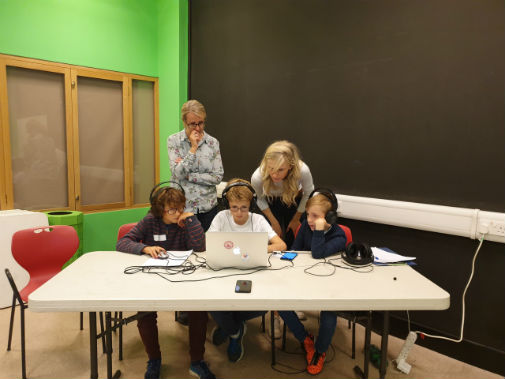
The EMOTIVE project uses digital storytelling including virtual reality technologies to revolutionise story telling about why historical places matter in the present as well as the past.
The researchers behind the project hope to encourage a more diverse range of people to enjoy and experience history.
The EMOTIVE project - funded through the European Union’s Horizon 2020 programme - has created experiences that can be used on archaeological sites, in classrooms and museums as well as online.
Powerful and engaging
The technology package will be launched at an interactive exhibition for students, academics, heritage professionals and members of the public at Glasgow’s Hunterian Museum on 30 October.
Experts in digital cultural heritage from the University of York have been working over the last three years with industry and research partners from across Europe (Greece, Italy, France, Ireland, and the University of Glasgow in the UK) to design powerful and emotionally engaging cultural experiences that resonate with people’s lives today.
The storytelling technologies will be rolled out at archaeological sites and museums, including York Minster and the UNESCO World Heritage sites of Çatalhöyük in Turkey and the Antonine Wall in Scotland.
Values and Identity
Dr Sara Perry, from the Department of Archaeology at the University of York, said: “Through this project we hope to encourage more people to experience history and participate in conversations about its relevance to the present and the future. Digital storytelling allows users to explore and contrast current human values, identities and belief systems with those of the past.
“History often appeals to a narrow audience and can at times appear intimidating and inaccessible. Through our project we aim to make history enjoyable for a wider range of people and explore how the past has influenced who we are today and how we choose to act upon the world in years to come.”
Minster tours
In York, the technologies are being developed for visitor-led tours of the Minster where, using participatory methods of storytelling, small groups of visitors will be aided by digital devices to learn about the cathedral. Visitors will explore stories of the Minster’s past and how they relate to contemporary issues from mental health to immigration.
Katrina Gargett, an MA Cultural Heritage Management University of York alumna who spearheaded the project, said, “York Minster provided the perfect site to develop and test EMOTIVE’s visitor-led tours due to the diverse range of audiences who visit the cathedral each year with differing backgrounds, identities and beliefs.
“Working with the Minster’s staff, volunteers and visitors to develop this experience has brought into focus the power of the cathedral’s stories in bringing people closer and fostering mutual understanding and respect between strangers. Above all, the tours aim to be enjoyable and memorable, offering an alternative way to interact with the building and its people, both past and present.”
Bring down barriers
Maria Economou, Professor in Digital Cultural Heritage and Hunterian Curator at the University of Glasgow, said: “The EMOTIVE project has been very successful at demonstrating how digital technology, when used thoughtfully, can bring down barriers in engaging with our heritage and culture. Immersive technologies can be truly impactful when combined with storytelling and social interaction to encourage discussion amongst users.
“Cross-border collaboration on the EMOTIVE project would have been impossible without European Union funding and I think that EMOTIVE has shown how working with international partners can create an exciting, new and unique approach to accessing and enjoying heritage and history.
“The EMOTIVE demonstration event will provide an excellent opportunity not only to see the results of innovative digital heritage research, but also for experts from across the globe to share ideas on the future of digital interpretation.”