
How our Fight for Human Rights in the Pashtun region of Pakistan led to a life in exile
CL/A/023X, Church Lane Building, Campus West, University of York (Map)
Event details
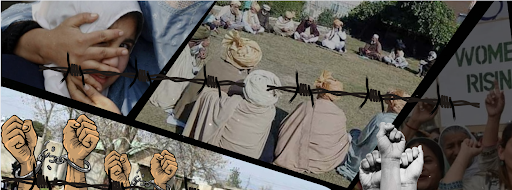
In the deeply conservative society of Khyber Pakhtunkhwa (KP), Pakistan, challenging harmful Pashtun traditions and advocating for women’s rights places activists under serious threat. Nazish and Fazl have worked to raise awareness on several sensitive issues within the Pashtun community, such as women's education, workplace harassment, Polio (public health), gender equality and the practice of honour killings. Through community mobilisation and local radio, they amplified voices that were often silenced. However, their activism led to escalating harassment, violence and threats to their lives to the extent that they had no choice but to flee their homeland.
In this talk, they will share their personal journey of the challenges of defending human rights in the face of persecution, the painful experience of displacement, of facing transnational repression and their continued struggle to speak across borders. Their story highlights the dangers faced by human rights defenders in conservative contexts and of those who keep speaking even when in exile.
Nazish Saddique & Fazl Ullah
Nazish Saddique is a Pashtun Pakistani human rights defender and community mobiliser. Since 2014, she has been actively involved in promoting women’s rights, girls’ education and workplace safety for women. She has contributed to community radio and led door-to-door campaigns mobilising girls to speak up for their basic rights. She is currently a Fellow at the Centre for Applied Human Rights at the University of York.
Fazl Ullah is a human rights defender, political analyst, and a radio journalist from KP, Pakistan. Since 2013, he has led campaigns on women’s rights, minority protection, education and public health, using radio as a powerful tool to promote awareness. He is currently a Fellow at the Centre for Applied Human Rights, where he continues his advocacy for women’s rights and equality.
Venue details
Wheelchair accessible