Skip to content Accessibility statement

Environment, nature and people

At the Centre for Applied Human Rights (CAHR), we seek to respond to environmental crises and the challenges faced by activists through impact and action-focused research.

Global environmental crises threaten severe consequences for humans and nature. The rights of marginalised groups, such as indigenous peoples and ethnic minorities, landless tenants, migrant workers and the urban poor, are disproportionately affected by climate and environmental hazards and risk. Also affected are the rights of nature, including natural elements or beings such as rivers, forests, and animals. 

Environmental activists, rights defenders, movements and communities responding to these crises face increasing challenges and threats. CAHR’s emphasis is on research with and for affected communities and environmental defenders with the aim of developing new practical and interdisciplinary insights for policy, practice, and programming in a range of fields and sectors (government, development, civil society, academic). 

Environmental activists, rights defenders, movements and communities responding to these crises face increasing challenges and threats. At the Centre for Applied Human Rights (CAHR), we seek to respond to such challenges through impact and action-focused research.

Our emphasis is on research with and for affected communities and environmental activists and defenders with the aim of developing new practical and interdisciplinary insights for policy, practice, and programming in a range of fields and sectors (government, development, civil society, academic).

Projects in focus

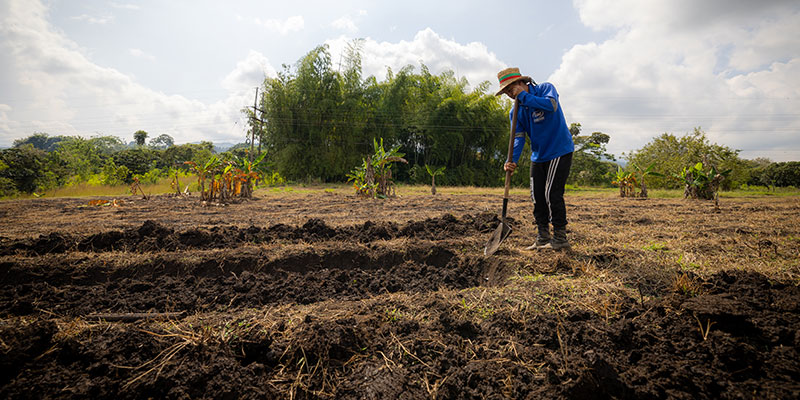
A project co-designed and led by CAHR staff and the Nasa community of the Resguardo Indígena de Huellas Caloto. It relies on participatory action research, incorporating indigenous research methods such as narration, autoethnography, community visits, walks on the land, and harmonisation. The research investigates how spiritual and cultural practices protect the Nasa people in the midst of the armed conflict, while ensuring that the indigenous community retain control over the knowledge production process and strengthen their own self-protection tools.
A collaborative, Lund University-based project involving staff from the University of York’s CAHR, the Stockholm Environment Institute (York), the Strathclyde Law School and Lund University Centre for Sustainability Studies. The research, undertaken in Maputo, Mozambique, investigates relationships between everyday risk perceptions, resilience and everyday legal cultures, and their influence on the potential for transformational change. It is funded by the Vetenskapsrådent VR (Sweden).

Publications and digital outputs

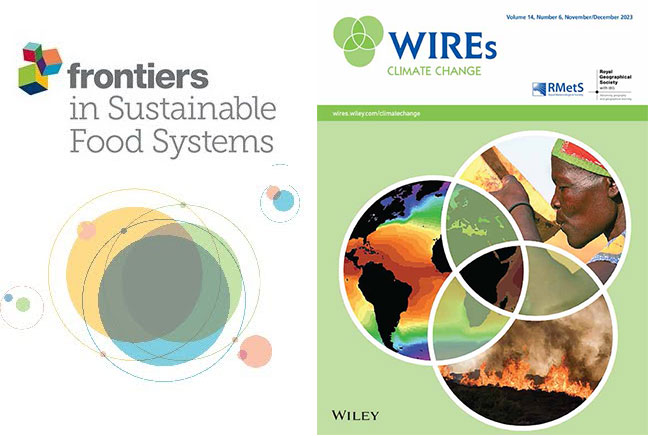
'Legal culture and climate change adaptation: An agenda for research' by Eric Hoddy, Simon Halliday, Jonathan Ensor, Christine Wamsler, and Emily Boyd. Published in Wiley Interdisciplinary Reviews: Climate Change, 14(3).

Read online

'Safeguarding the land to secure food in the highlands of Peru: The case of Andean peasant producers' by Silvia Sarapura–Escobar and Eric Hoddy. Published in Frontiers in Sustainable Food Systems, 6.
Read online

Video

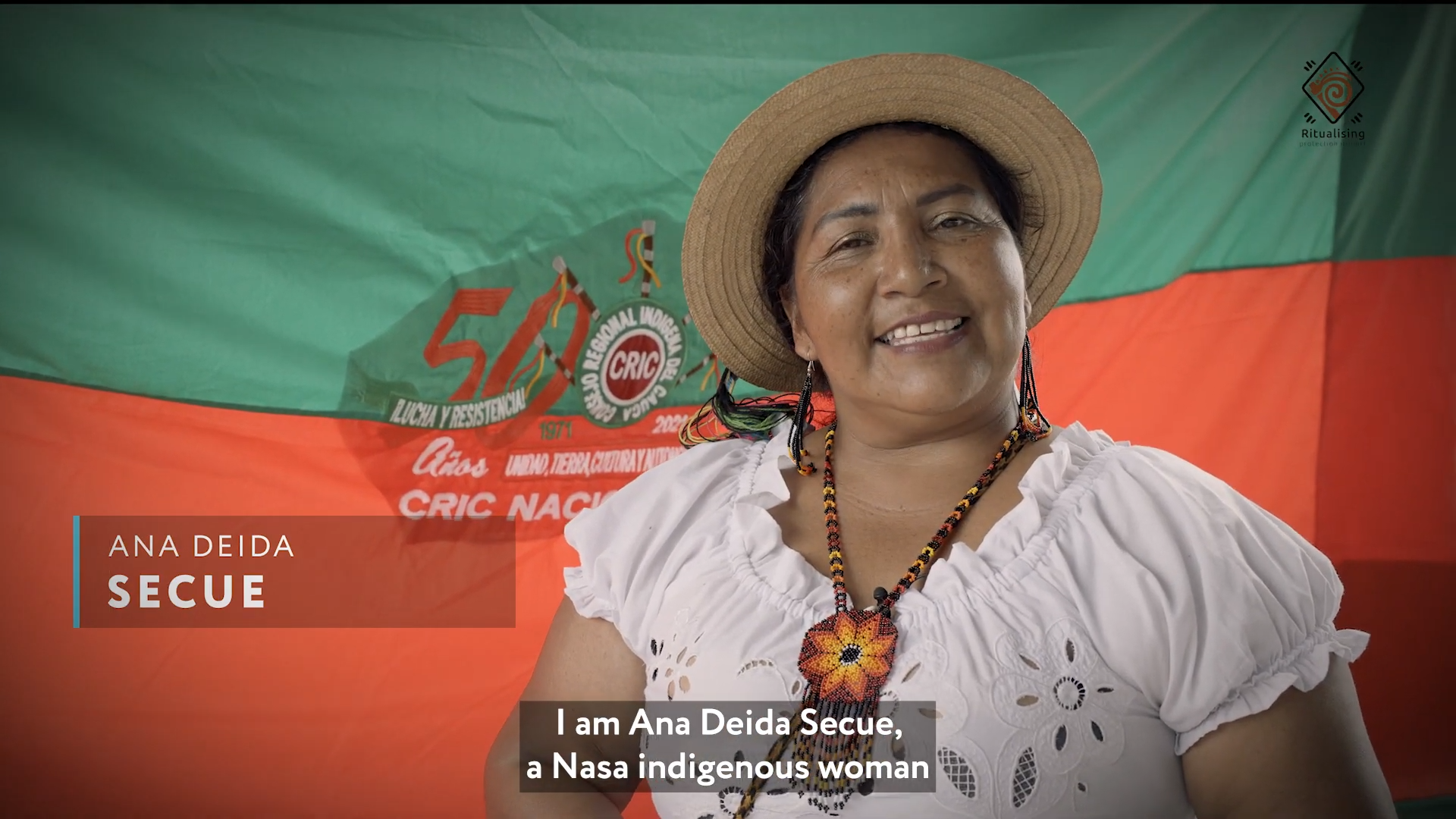
How do the Nasa indigenous people protect themselves in the midst of the Colombian armed conflict? Our research project seeks to understand that.

Contemporary Environmental Activism reading group

CAHR and the Department of Politics and International Relations co-host the reading group on Contemporary Environmental Activism for postgraduate and PhD students.

The group focuses on activism and the environment broadly, including climate activism, climate ‘doomism’, environmental rights defenders and environmental movements, activist strategies, and climate and environmental justice. The group is co-convened by Dr Eric Hoddy (CAHR) and Dr Jeremy Moulton (Politics and International Relations).