
YESI and LCAB host Panel on National Parks
Posted on Wednesday 29 October 2025
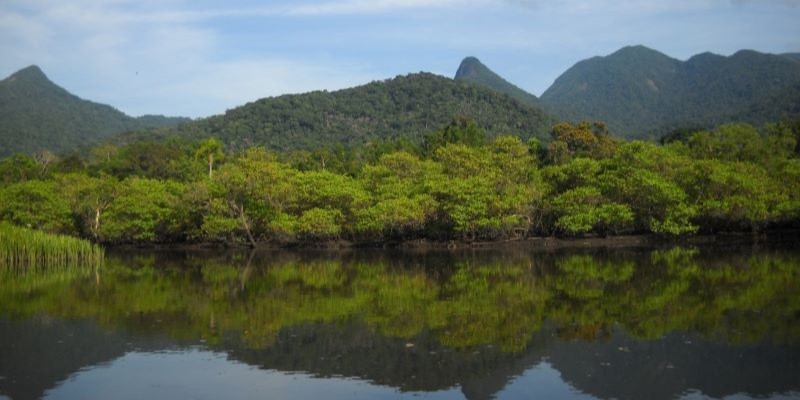
The aim of the event was to identify how different models of National Park governance might inform more effective management of the Campos Gerais Ecoregion. National Parks in the UK are different from those in much of the rest of the world in that they tend to encompass substantial privately owned land. They are not established in line with the globally-accepted IUCN definition of a National Park which focuses on the preservation of ecological functions and processes and biodiversity conservation. Instead, they seek to protect landscapes and the environments, cultures and heritage within them. National Park Authorities in the UK must therefore rely on a variety of partnerships, land-use regulation strategies, and participatory incentives for their management.
The current Brazilian approach to National Parks is based on the US Park model, which emphasises land expropriation. This fortress conservation approach, in the context of many protected areas in Brazil, have resulted in stakeholder confrontation, and has raised considerable challenges in the Campos Gerais NP, limiting their wider economic, societal and cultural benefits. Contrasting approaches to National Parks management in the UK and Brazil provided grounds for a lively discussion between panel members, the LCAB and YESI community and a multi-sector delegation of visitors from Paraná State in Brazil, each with an interest in the Campos Gerais National Park.
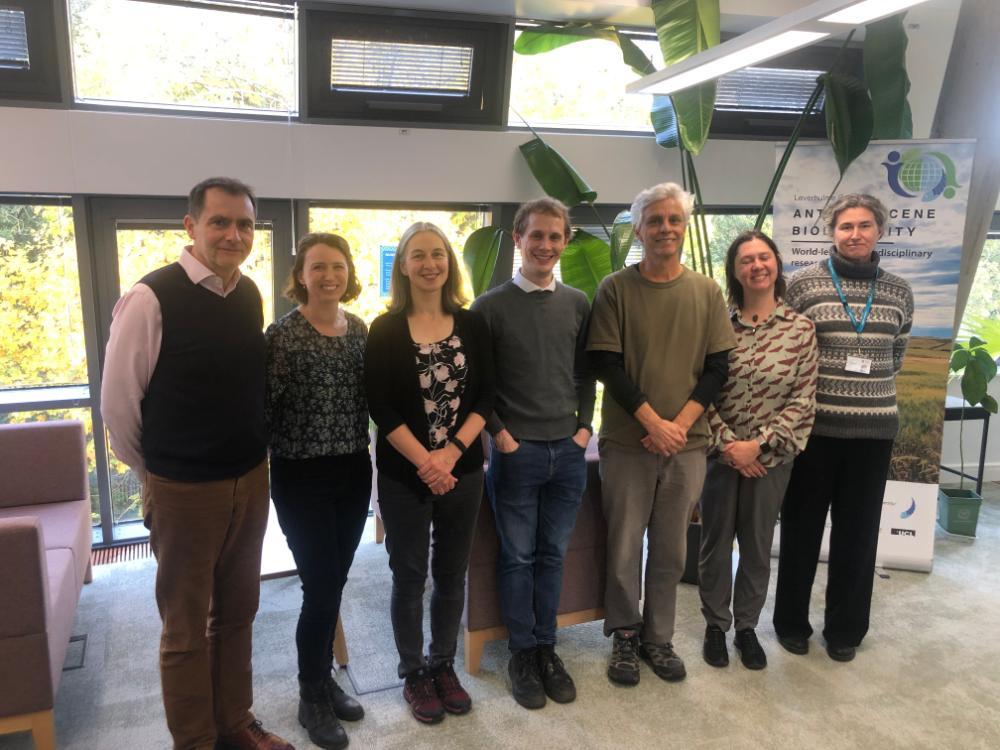 Panel members and facilitators: Jon Finch, Clem Cooper, Lindsay Stringer, Brennen Fagan, Carlos Hugo Rocha, Jasmine Moreira, Lindsey Gillson.
The Campos Gerais Ecoregion in Brazil is a biodiversity-rich and culturally significant part of the highly threatened Atlantic Rainforest. Characterised by extensive grasslands, relics of semi-arid climates, and riparian forests of Araucaria angustifolia, the region is both geologically and ecologically significant. It also holds immense cultural heritage, with around 200 catalogued archaeological sandstone cave paintings. The region faces pressing conservation challenges and rapid land use change, and urgently needs better conservation strategies. Socially and economically, the region has high levels of inequality. Subsidies for intensive farming continue to drive rapid ecological transformation, and remaining fragments of natural habitats are becoming isolated. At the same time, National Park management based on land appropriation meets resistance from inhabitants who depend on the area for farming and livelihoods. As a result, potential opportunities for conservation as well as enhanced ecosystem services and tourism remain unrealised.
Dr Jasmine Moreira is head of LABTAN at the State University of Ponta Grossa (UEPG), Brazil's sole University laboratory that focuses on tourism, outdoor recreation, and public use in protected areas. Her expertise is on human dimensions of tourism planning in Brazil National Parks and Geoparks worldwide. During the event, Dr Moreira explained how her outreach work with schools and communities aims to build understanding of the value of biodiversity and its importance in local culture. She showed a field guide, booklet and memory game developed for children, which she hopes will help induce a generational culture shift in attitudes to National Parks. Her work also includes bringing in handicrafts representing key species of importance to the area including the puma and maned wolf. She also organised a National Ecotourism conference which helped increase awareness of the importance of wildlife in attracting visitors to the area, with positive effects on the local economy and employment opportunities.
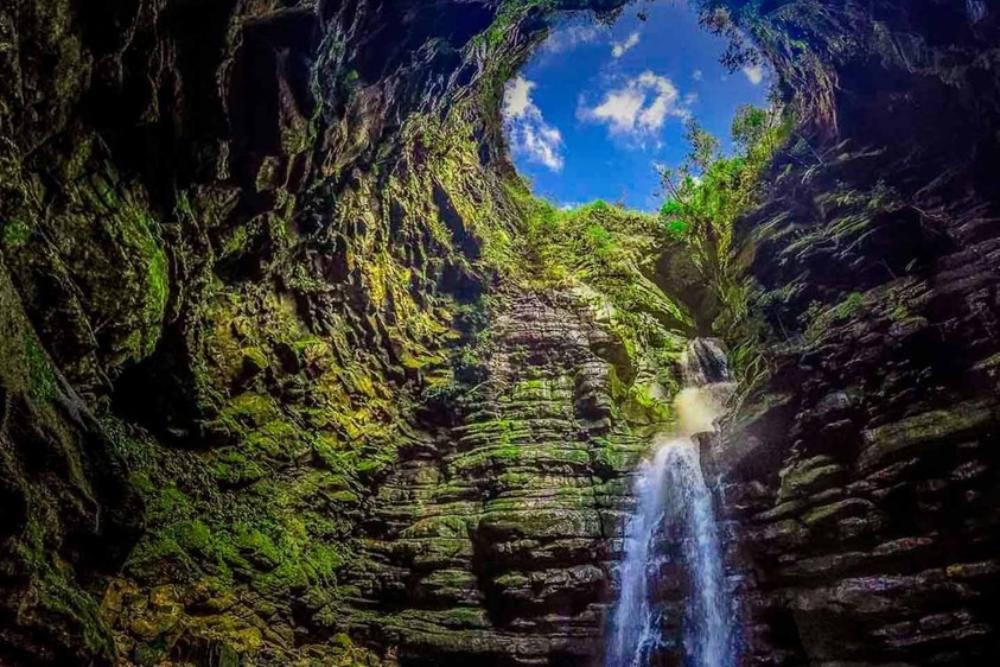 Campos Gerais National Park, Brazil
Visiting YESI Fellow Professor Carlos Hugo Rocha, also from UEPG in Paraná has research interests focused on Sustainable Rural Development, Landscape Ecology, Agroecology, Nature Conservation and the Human Dimensions of Natural Resources. His goal is to drive landscape and regional transformations for sustainability in Brazil by developing agroecology-based smallholder farming systems and strengthening biodiversity conservation through collaborative research and action. Prof Rocha gave an overview of the ecology of the Campos Gerais Ecoregion. He explored the rich biological and cultural heritage of the area and explained the threats to ecosystems through agricultural incentives, and the problems with the National Park network, which he described as “small, insufficient, and poorly managed… the Park Services are not prepared to work with stakeholders to address policies that can lead to conservation.” He described his vision of cooperation, in which participatory sustainable development programmes could deliver conservation actions and policies that could be outlined within rural properties for achieving sustainability. He highlighted opportunities for knowledge exchange between the UK and Brazil. He will be based in York until February 2026, working with Dr Adam Green and Professor Jonathan Finch, of the Archaeology Department, University of York under the YESI International Fellows scheme. Their project, which partners with the North Yorkshire Moors National Park Authority, aims to explore the intersection of science, public policy, and land management to enhance biodiversity conservation in Campos Gerais National Park. Visits to the North Yorkshire Moors National Park and Yorkshire Dales provide insights that could be invaluable in shaping conservation governance in the Campos Gerais National Park.
Professor Jonathan Finch is an historical archaeologist who works on cultural landscapes and land ownership. He is interested in how historical ownership patterns have impacted on management regimes, which have in turn shaped perceptions about the wider landscape and how we value different landscape types. He has worked with both the Nidderdale and the Howardian Hills National Landscapes (formerly Areas of Outstanding Natural Beauty) and with the North York Moors National Park Jonathan explained how his interest in National Parks grew from his research on nineteenth-century land ownership in England, and how most of the protected areas in the UK can trace their origins back to large landed estates from that period and earlier. He is currently working with Dr Adam Green on how the National Farm Survey, which took place in the 1940s, could help to inform and influence National Park managers and the communities within the North York Moors National Park, encouraging them to p engage with the alternative history of low input farming in the region as a possible strategy for the future.
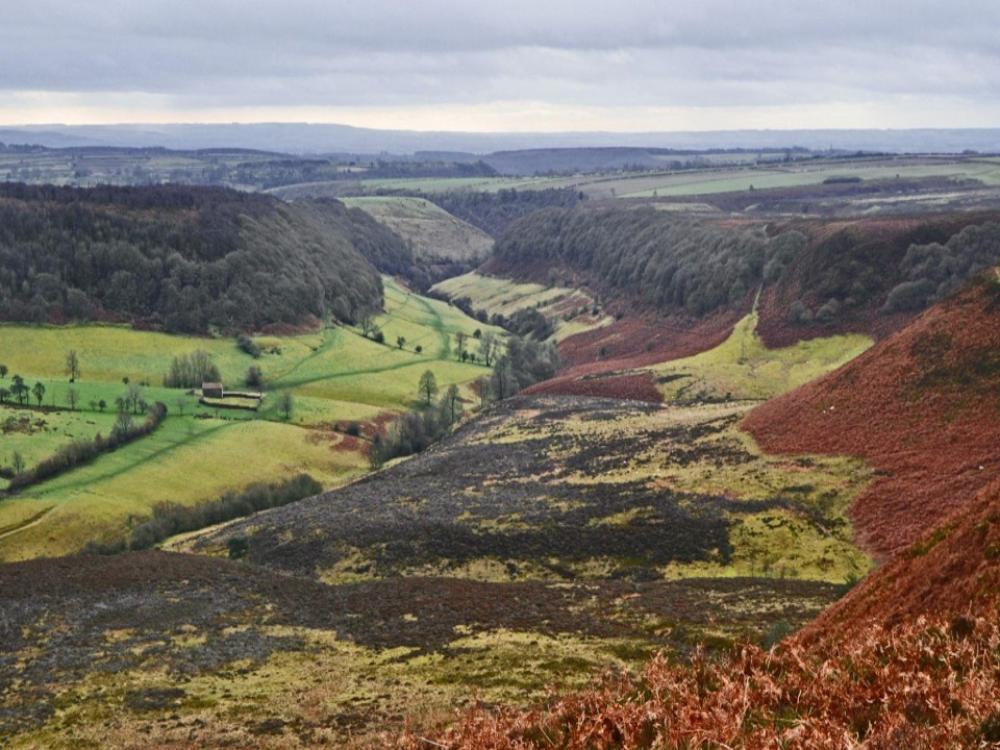 North York Moors National Park, UK
LCAB PhD student Clemency Cooper introduced her PhD research, which aims to work with stakeholder groups in the North York Moors National Park to explore how understanding of landscape history might offer routes to explore new scenarios of landscape development in the future. She is interested to find out how understanding change in the past might help to create more open-minded visions of future change through participatory scenario planning. She described some of the multitude of issues facing the management of the park including the need for tourism infrastructure, the management of fires in a changing climate, the presence of MoD facilities on the Moors, and the need to balance tourism with social cohesion for people living in the parks. She explained the vision for the North York Moors National Park as “a resilient landscape at the forefront of addressing climate change and nature recovery. It will be a biodiverse, beautiful and varied place that’s proud of its cultural heritage, all of which lift the nation’s health and well-being. It will be a place with a diverse, innovative, low carbon economy and home to thriving, welcoming local communities.” It may be that developing an inclusive vision such as this could help the journey in changing attitudes to National Parks in Brazil. Clemency has worked professionally as a public engagement practitioner in the heritage sector and, in this research, she will be using participatory methods to engage with stakeholders and explore scenarios for what the future landscape might look like and the potential ecological functions, cultural significance, and economic benefits.
Dr Brennen Fagan is an applied mathematician from California working at the Leverhulme Centre for Anthropocene Biodiversity on the mathematics of biodiversity change. He spoke on behalf of a team working in the Lake District National Park to explore how lakes can focus attention on changes that can benefit all and threaten none. Brennen explained “Everyone is on board with the general idea – nature recovery is good for the environment and good for us – but largely dispute the details of which nature recovery and how.” They plan to model the ecosystem and fishing industry of the Lakes through time, discovering why they collapsed, what it would take to bring them back, and what bringing them back would mean for the various local partners and stakeholders. Modelling will help to discover what restoring the lake ecosystems will do for the birds, for the locals, and for visitors. This project aims to co-develop with local farmers, the Royal Society for the Protection of Birds, the National Trust, United Utilities, Lowther Estates, the Lake District National Park Authority, the parish council, and more.
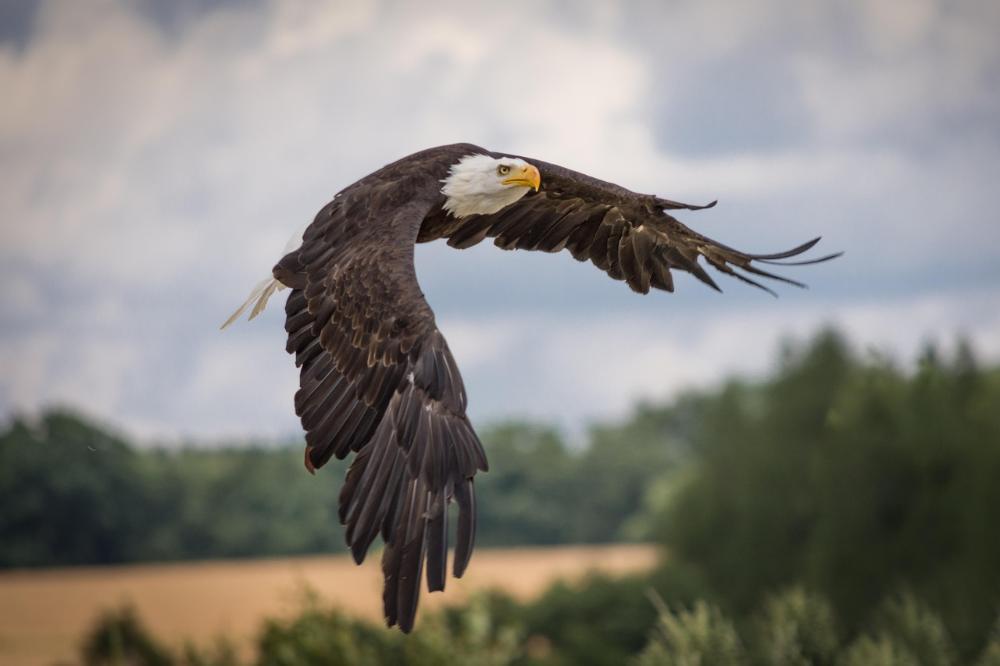
Highly valued today, White tailed eagles were once viewed as vermin. They can be viewed as emblematic of the shifting perspectives and tension between biodiversity conservation and farming in the Lake District.
While each National Park model has its strengths and weaknesses, some common themes emerged during discussions, including the complexity of managing the expectations and priorities of diverse stakeholder groups, the need to balance biodiversity conservation with sustainable development while maintaining natural capital, and the importance of cultural heritage in generating a sense of place. While local context and stakeholder buy-in is key, strategies from the UK model, such as regenerative farming, grassland management, habitat and riparian restoration, community-based tourism, and participatory governance, offer actionable and locally adaptable policies for sustainable land management in Campos Gerais. This shift is critical to combat rapid ecological fragmentation and support the region's unique natural and archaeological heritage.
Both the NYMNP and Lake District projects are funded by the Leverhulme Trust, with additional support from Valuing Voices, a partnership project with Mahidol University, supported by Wellcome. Dr Adam Green, Prof Jon Finch and Prof Hugo Rocha are supported by a YESI International Fellowship under the 2024-25 scheme.