
Smart and sustainable planning for cities and regions
Posted on Wednesday 7 January 2026
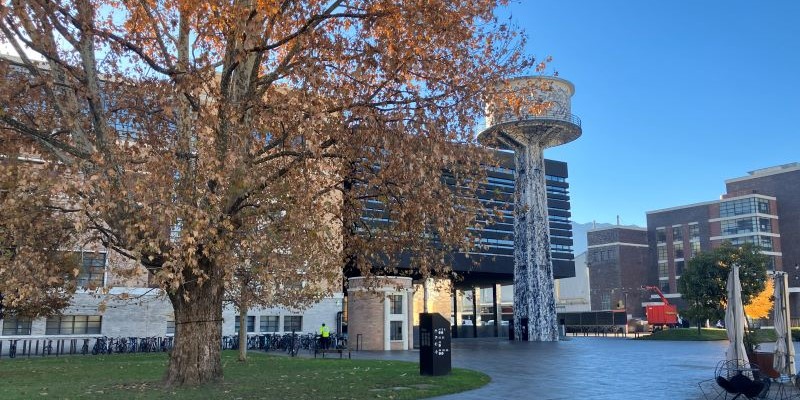
My current research focuses on the concept of ‘urban rewilding’, which seeks to restore degraded ecosystems in urban spaces using minimal human intervention. I have found that one of the most common disciplines the literature aligns with is architecture and urban planning, which is also my own disciplinary background. Examples include studies by Demirtaş and Güneş (2025), Hwang (2025) and Moxon et al (2023), which highlight how urban rewilding is distinct from more established approaches to incorporating nature into urban areas, such as ‘greening’ or ‘nature-based solutions’. This conference was an opportunity to discover realised examples of such approaches and learn more about the challenges, opportunities, models and policies that are currently shaping urban environments.
The conference started with the workshop ‘Empowering Neighbourhoods: Co-designing the Energy Transition’ run by Bahanur Nasya from Wonderland - Platform for European Architecture and others involved in the EU-funded Poseidon project aiming to create Positive Energy Districts across Mediterranean cities. We shared our experiences of stakeholder engagement and discovered global community energy projects closely involving citizens.
I then attended a range of interesting presentations on themes such as ‘The Just City’, ‘Adapting Cities and Regions’, and ‘Energy Transition: Towards Climate Neutral Cities’. They included keynote speeches on the New European Bauhaus framework by Thomas Maloutas from Harokopio University of Athens and Barbara Widera from Wrocław University of Science and Technology; a model for simulating urban heat islands based on the collective behaviour of building clusters by Roberto D’autila from Roma Tre University; and student-led proposals for nature-based solutions presented by Axel Timple from RWTH Aachen University.
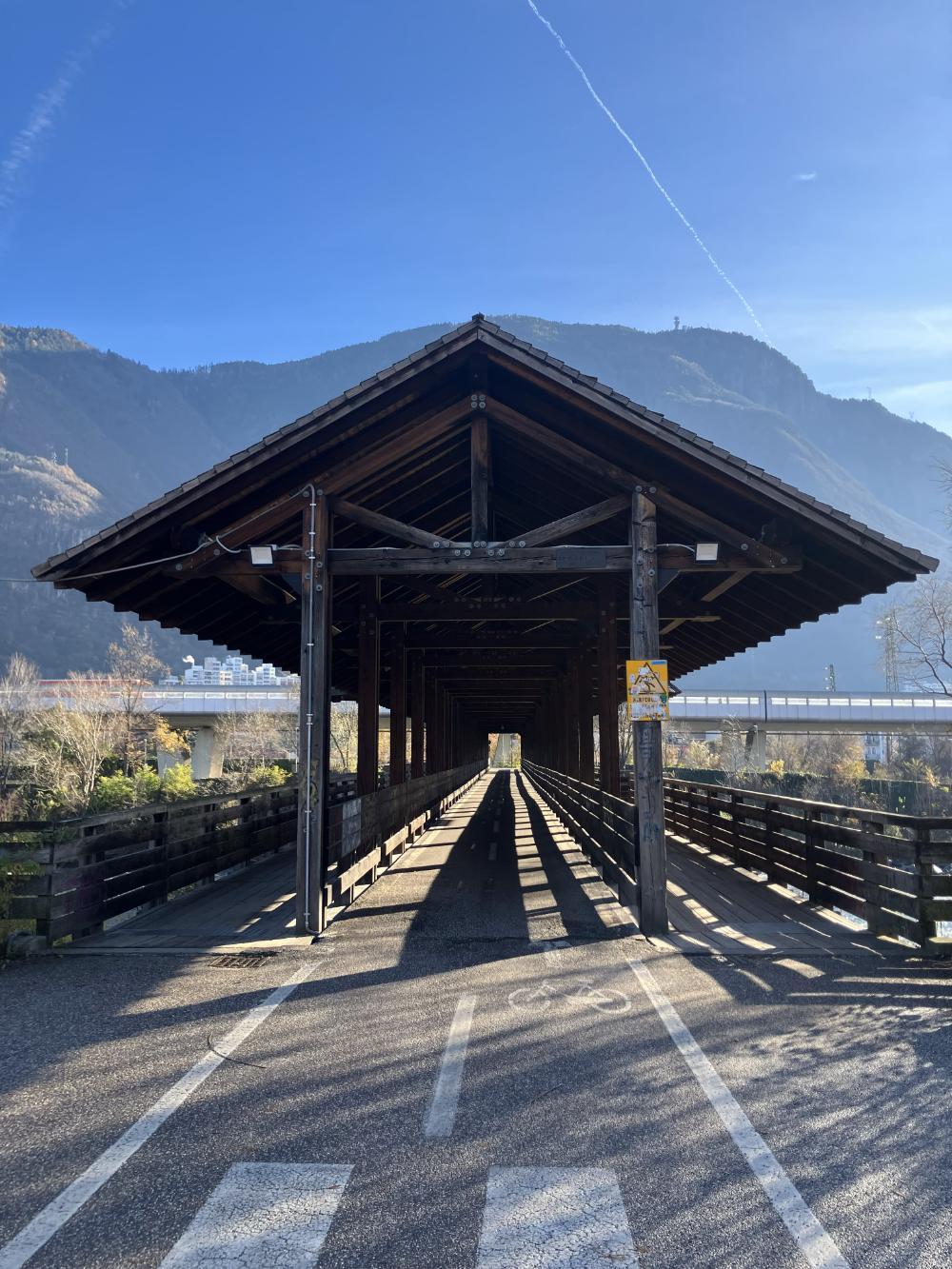
A particularly inspiring session was led by Fan Li from UN-Habitat, titled ‘Regenerating Mountain Villages: Nature and Culture, Heritage and Landscape’. Speakers presented projects that seek to manage cultural landscapes for both people and nature, considering their future resilience to environmental change and the priorities of local communities. Marcella Morandini presented the holistic approach taken to managing UNESCO sites in South Tyrol, Italy, from the perspective of the municipality; Paola Pisa presented the GLOMOS project in Tadami, Japan, which used participatory methods to understand local climate risks; and Blal Adem Esmail presented research on co-producing knowledge on water scarcity in Asmara, Eritrea. These projects were inspiring for my future case study research that will explore related themes using similar methods, with a focus on urban rewilding.
The conference made me wonder about the subjective meaning of terms such as sustainability and inclusiveness that are being promoted by the New European Bauhaus, as well as the importance of specificity when discussing the broad term ‘nature-based solutions’, as each has different requirements, challenges and potential benefits. If urban rewilding begins to enter these conversations, it holds the potential to promote greater consideration of biodiversity and the rights of nature in the planning and management of urban environments.
This was a great learning and networking opportunity, and I look forward to seeing what future events are held at EURAC Research.