
New Associate Director joins LCAB
Posted on Sunday 4 January 2026
Can you tell us a little about your background and area of research?
I am a historian of science, technology and medicine. Like a number of historians in this area, I have a first degree in a science subject (Biology). After working for a while as a schoolteacher I went back to University and did a Masters in the History and Philosophy of Science, Technology and Medicine at Imperial College, followed by a PhD in History.
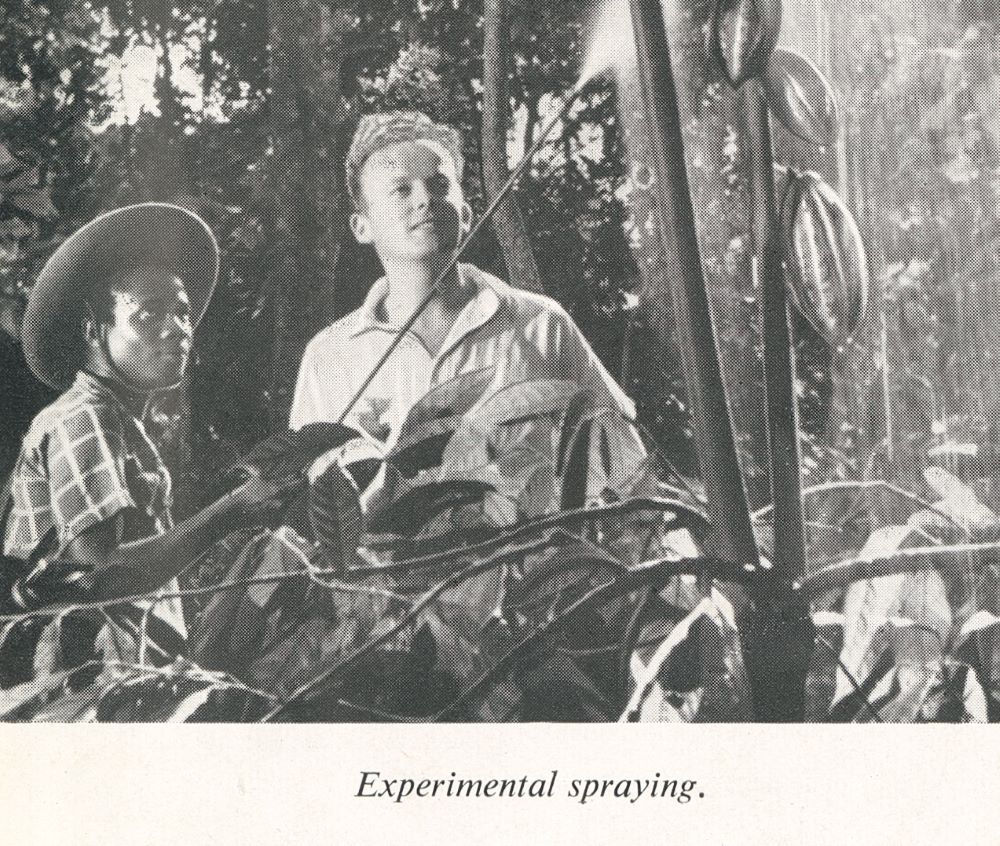
My area of research is the history of Britain and the British Empire from around 1914 to 1970 with a focus on science and government. I have worked on the history of colonial development plans, the history of industrial strategy and science policy and most recently the history of insecticide use and regulation.
What do you love about your research?
I am really fascinated by the gap between what we say about the nature of science and technology and the reality - you could say that I like “myth-busting”. When it comes to the history of past science policy, this myth busting can be quite important, as civil servants nowadays base their decisions on what happened in the past, except that those ideas about the past are often surprisingly wide of the mark….
What drew you to the role with Leverhulme Centre for Anthropocene Biodiversity?
I find the way that LCAB hopes to encourage us to rethink our understanding of changes in biodiversity really exciting. It is bold and ambitious. I also really like the interdisciplinarity of LCAB and the way that it works as a community of scholars.
How do you think the Centre’s research can help us balance the gains and losses of human impact? And does this make you hopeful for the future?
I think LCAB has a key role in encouraging people and policy makers to consider that biodiversity change can be a process of gains as well as loss. I think that LCAB is able to engage people because its work covers a wide range of places and times and disciplines- there is something for everyone! It makes me hopeful for the future that LCAB is committed to working with a range of people from different organisations and backgrounds.
Is there a particular area of research that could help focus us on the positives of the Anthropocene?
I think that looking at the past of pollution control can be more positive than people might imagine. The last 100 years have seen some really important improvements in urban environments and health - notably the Clean Air Act of 1956 that marked a shift away from domestic and factory coal use. The Act shows that government action can be very effective.
-1000x641.jpg)