

Equality, diversity and inclusion
We are committed to valuing and celebrating diversity, and to advancing equality and inclusive practice in all our activities.





News and events
Recent news and details of forthcoming events are shown below; you can explore more in our news and events archive. Follow us on Twitter for regular updates.

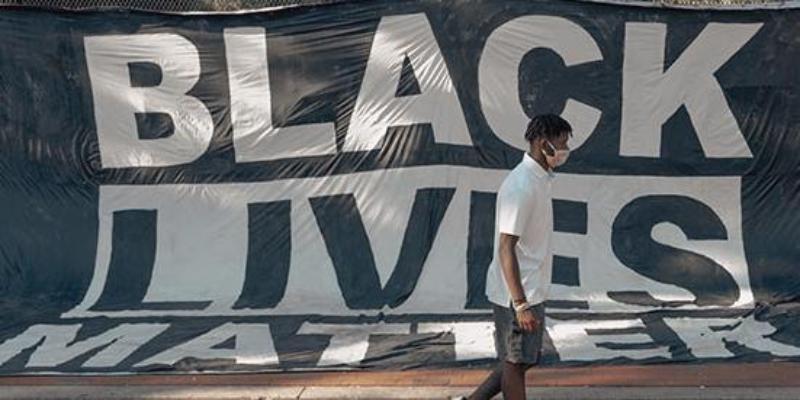
We'll be celebrating Black History Month 2026 throughout October.
Are you from a global majority background and aspire to a senior leadership role in the next 12-18 months?

Monday 15 to Sunday 21 June is Refugee Week and to celebrate this we will be holding a number of events online and on campus to raise awareness of issues affecting refugees and asylum seekers, along with the support that’s available at the University and within the city.
Celebrating diversity events series
Our Celebrating diversity events aim to raise awareness of and celebrate religious and EDI-related awareness dates throughout the year. To learn about events that are coming up, or to find out how to contribute an event to the series please visit the Equality, diversity and inclusion events page.
Public good in action: Strategy Stories
Since the launch of the University Strategy 2030, our community has been bringing public good to life. We spoke to staff and students to find out what public good means for them, what they've been working on and how they're connecting to the Strategy. Their individual strategy stories cover topics including the role of the Student Expert Panel, the launch of our learning centre for disadvantaged schoolchildren, anti-racism training, and decolonising and diversifying the curriculum.
Ben Clark
In 2018, we invited staff to join us for a photo shoot which would illustrate this web page and display some of the diversity which we are proud of within the University. Everyone who took part approved the photo chosen to be shown at the top of this page. Sadly Ben Clark, who can be seen centre back standing at the window, died in June 2019. In discussion with his colleagues and partner, we decided to continue using his photo in tribute to him. Ben was a graduate of the University who went on to work with us, most recently as part of the XR Stories project.