
Marine conservation begins at home
-
Case study
Posted on 31 October 2021
The world’s oceans are facing a biodiversity crisis, but York researchers are working with Scottish coastal communities to help protect and restore marine ecosystems.
The issue
The world’s oceans are facing a multitude of threats such as overfishing, pollution and climate change. One way to address these issues is to protect key areas of the sea by establishing Marine Protected Areas (MPAs). However, progress has been slow, and many MPAs offer very little protection. The Community of Arran Seabed Trust (COAST), made up of residents of the Isle of Arran, on Scotland’s west coast, took matters into their own hands and lobbied the government for better protection of their local marine environment. This resulted in the designation of the Lamlash Bay No Take Zone (the first and still the only in Scotland) in 2008, and subsequently the South Arran Marine Protected Area in 2016.
The research
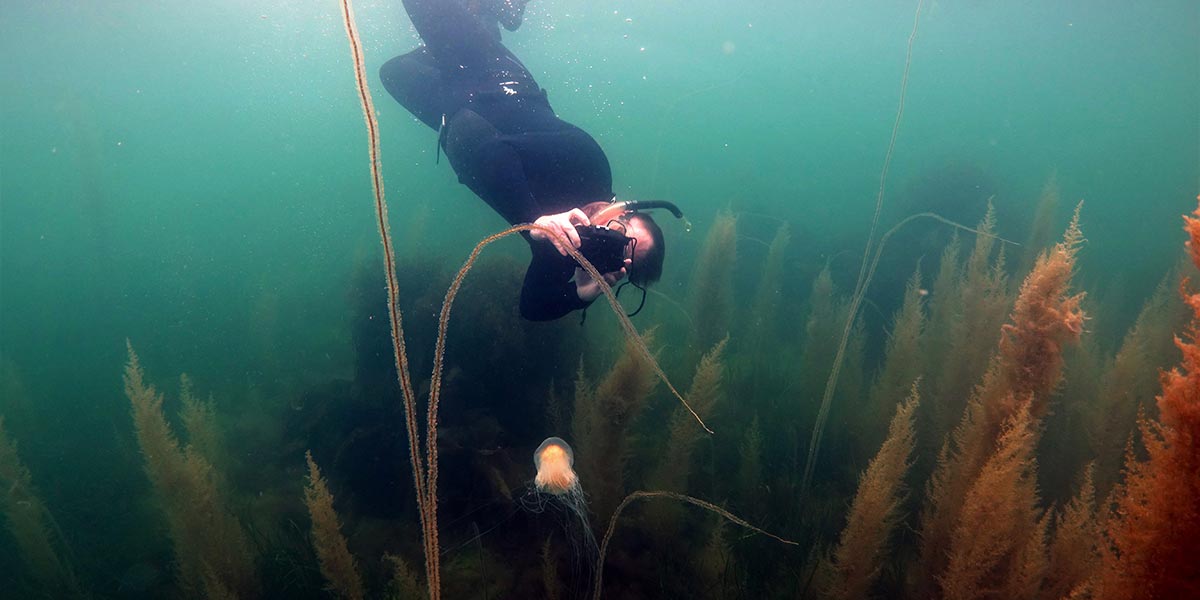
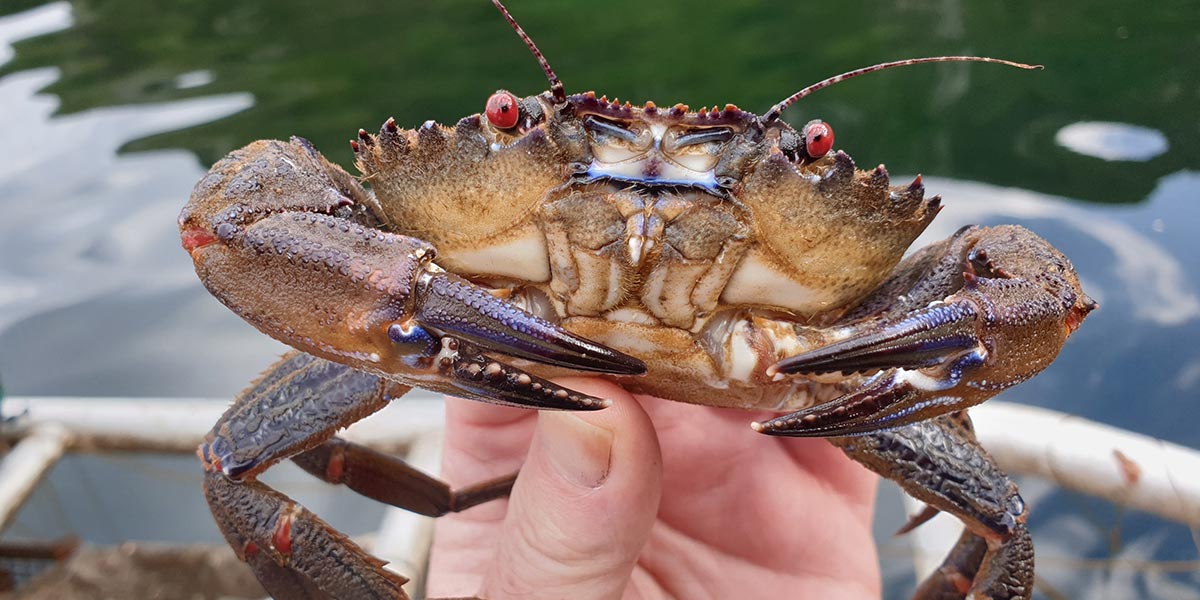
Since 2010, staff and students from the University of York have been monitoring the recovery of marine life in these protected areas. Their results have demonstrated dramatic increases in the abundance of key commercial species such as scallops and lobsters, and marine biodiversity overall. There is also good evidence that the protected areas are acting as breeding and nursery areas that spread benefits to surrounding areas and fisheries.
The outcome
This partnership between York and COAST has had a significant influence on marine environmental policy around the UK and is inspiring many other local communities to take action, both nationally and around the world.
Additional project images

Bryce Stewart
Dr Stewart is a marine ecologist and fisheries biologist with an interest in the biology, impacts and management of scallop fisheries.