
A Golden World: Material Culture & Indigenous Knowledge in Early Modern England
Event details
Join us for research seminars hosted by the Department of History with a selection of visiting academics, alongside University of York researchers. All students and staff are very welcome.
A zoom link will be made available for distance learning PhD students on request. Please contact Dr Purba Hossain or Stephanie Mawson if you have any questions. You can view the full schedule for the semester here
Speaker: Dr Lauren Working (University of York)
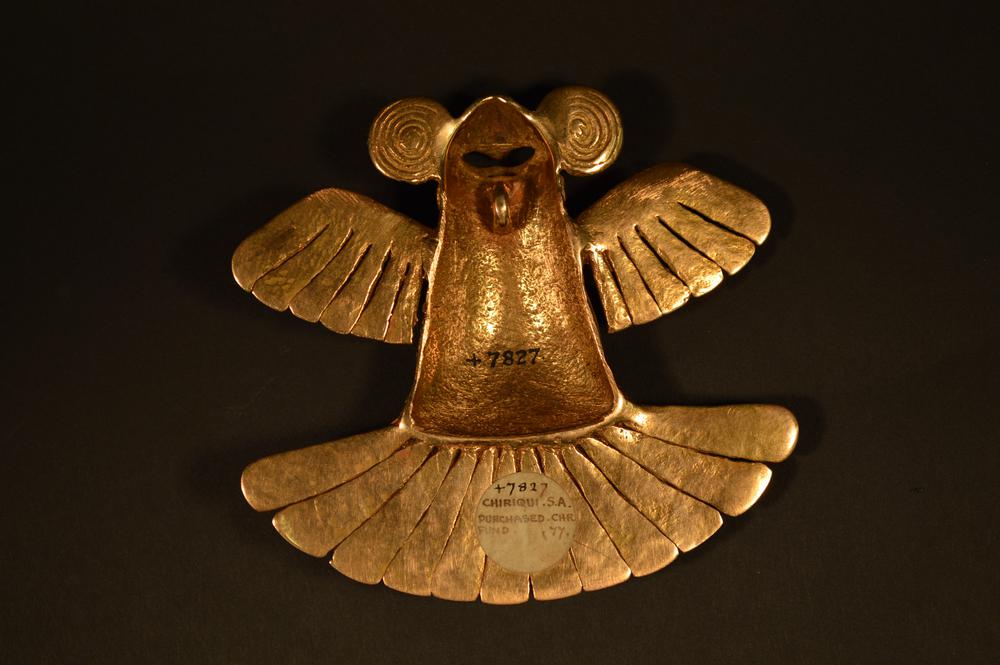
Abstract: Shortly before his execution in 1618, Walter Ralegh, recently returned to England from a disastrous journey to South America, attempted to flee to France. At his capture, his gaolers confiscated a copper and gold figure (a ‘Guiana idoll’), likely made by Arawakan metallurgists, along with samples of Amazonian gold ore and maps of the Orinoco River.
What was Indigenous goldwork doing in the London of James I? What might such cultural belongings tell us about English encounters with Indigenous peoples, and about Tudor and Stuart history and its legacies? This paper uses several object-centred case studies to show some of the ways that the Americas and its peoples became a visible and material presence in English society. Moving away from a longstanding emphasis on Elizabethan and Jacobean interests in North America, it makes a case for how materials and artefacts from across the Americas influenced the way Tudors and Stuarts thought about themselves and their place in the world in a burgeoning moment of empire. The tendency to view colonialism, Indigenous knowledge, and English culture separately has contributed to the sense of colonialism as an ‘elsewhere’, unrelated to English affairs at home, and downplaying acts of colonial dispossession prior to the civil wars; it has also obscured the contributions of Andean miners, African pearl divers, and Algonquian cultivators to the Renaissance as we know it.
Image: Pendant in the form of a bird with outstretched wings and tail, made of tumbaga by lost-wax casting and hammering. © The Trustees of the British Museum