
Our impact
Our research can have a massive impact on families.
Shaun was diagnosed with acute lymphoblastic leukaemia in April 2015, aged five. He underwent treatment and a stem cell transplant which was initially successful, but sadly he relapsed and died in June 2017.
Since then, Shaun’s mum, Tina, has channelled her experience into supporting research that can improve care for other children. Taking part in the Patient and Family Involvement research groups at Candlelighters helps her carry forward Shaun’s legacy and ensure his experiences make a difference.
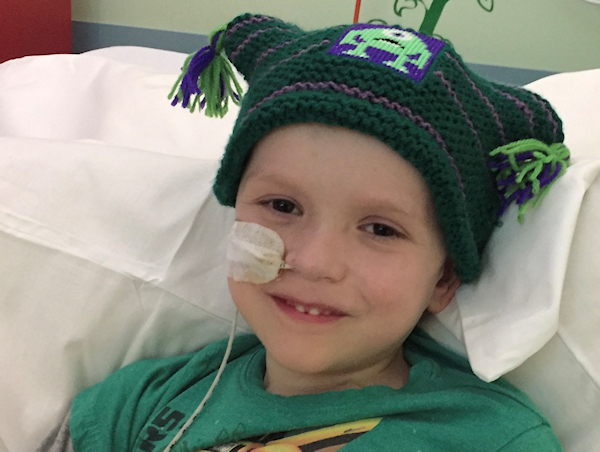
“Research is so important to us as a family. Without it, we wouldn’t have had the time that we had with Shaun," she said. "So even though he’s not benefiting from it now, he did benefit from it. We probably had two and a half years more than we would have done. Children many years ago with Shaun’s diagnosis would have died very quickly.”
“Mucositis, for example, was something he suffered really badly with. Being involved with new treatments like the red-light therapy, which was the focus of a recent research group, makes me feel positive that children in the future aren’t going to go through what Shaun went through. The PPI groups are a really important way for children now to have a voice.”