
Candlelighters Supportive Care Research Centre
Candlelighters Supportive Care Research Centre (CSCRC) will save lives, reduce suffering and bring hope to young people with cancer around the world.
Despite advances in curative medicine, little has been done to improve the experience of living through and beyond cancer. Children often receive cancer treatments designed for adults and the impact on their smaller bodies can be severe. They suffer horrible side effects which can be traumatic, permanent, and even deadly.
Developing "supportive care" is the best and fastest way to improve the lives of children with cancer and increase their chances of survival. Candlelighters, the Yorkshire-based children's cancer charity, funded the launch of Candlelighters Supportive Care Research Centre in November 2023.
What is supportive care?
Supportive care refers to everything except the treatment of the cancer itself, including preventing side effects of treatment, managing pain and reducing infection. It’s the care that gives children as full a life as possible.
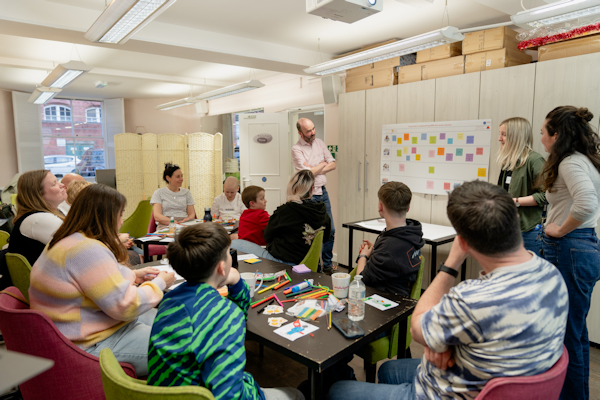
Our work brings together world’s leading supportive care experts to carry out high-quality research, develop future supportive care specialists and turn research into practice.
Our research
Find out more about our key activities and latest research projects.
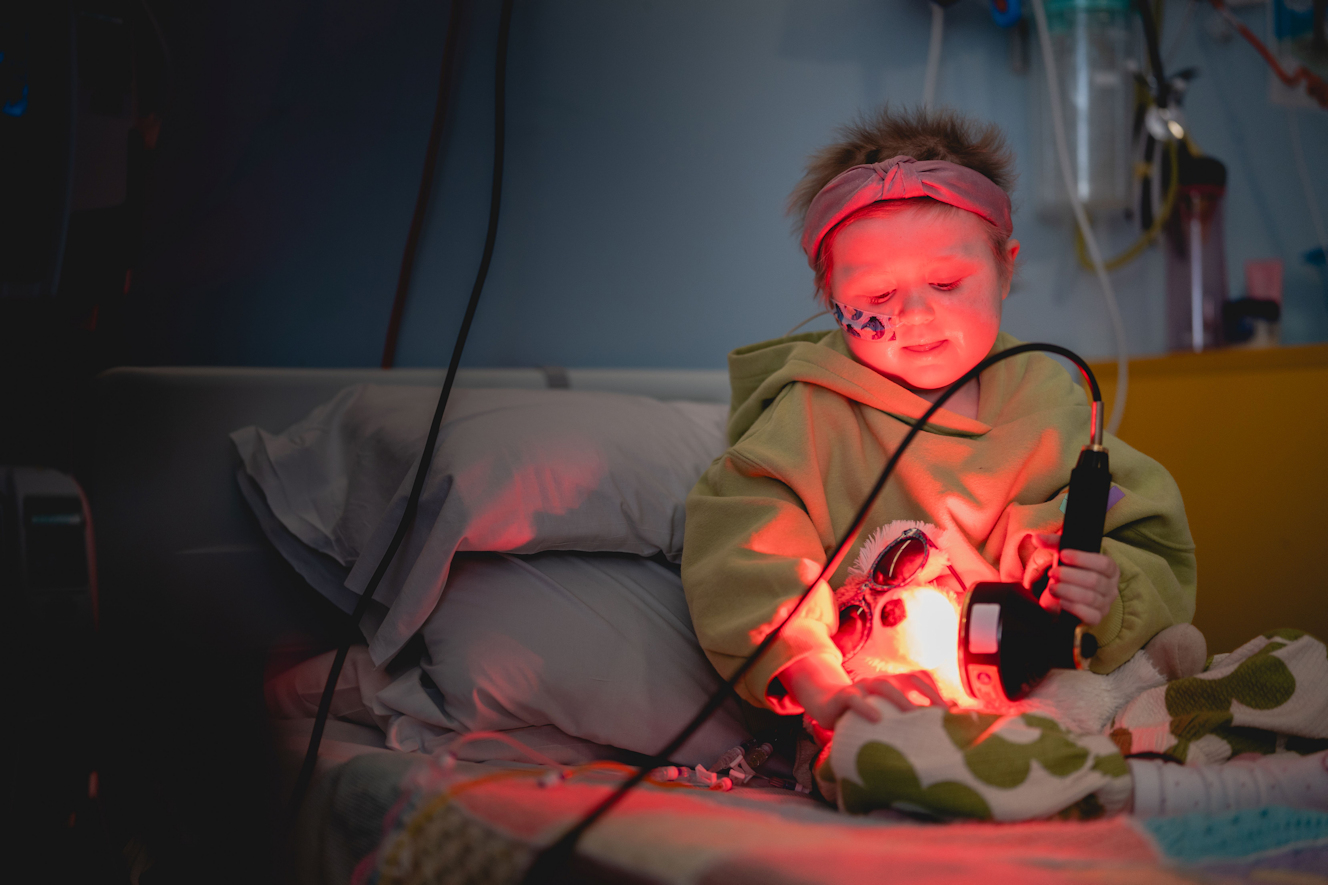

Project spotlights

Libbie's story
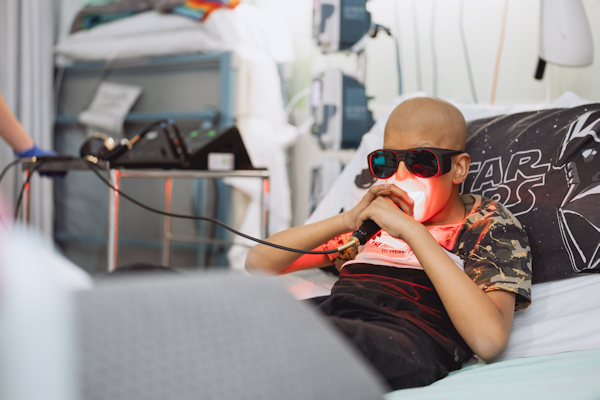
This research is helping children and young people like Libbie, who was diagnosed with acute lymphoblastic leukaemia in January 2017, aged 13. After her initial treatment, Libbie later relapsed in September 2018 and required a bone marrow transplant. She spent a significant amount of time in hospital and suffered traumatic side effects from treatment.
"The treatment is amazing because it works the majority of the time for my kind of cancer and it’s got a big survival rate, but I think managing the side effects better needs to be a priority. The side effects were the reason why my mental health got so bad with the sickness and even the acne from the steroids."
I think also being home, being in my own bed, having my family around me, and my friends coming to visit would have made things a lot better as well. I think getting young people home is especially important for sleep; during treatment, you need sleep, and hospital just isn’t the right place for sleep.
"No one really appreciates how difficult it is to go through it – the sickness, the isolation, the side effects, everything together makes it horrible to go through. If it can be made even slightly better, one thing at a time, I think that’s the most important thing."