
Child Health
Childhood cancer
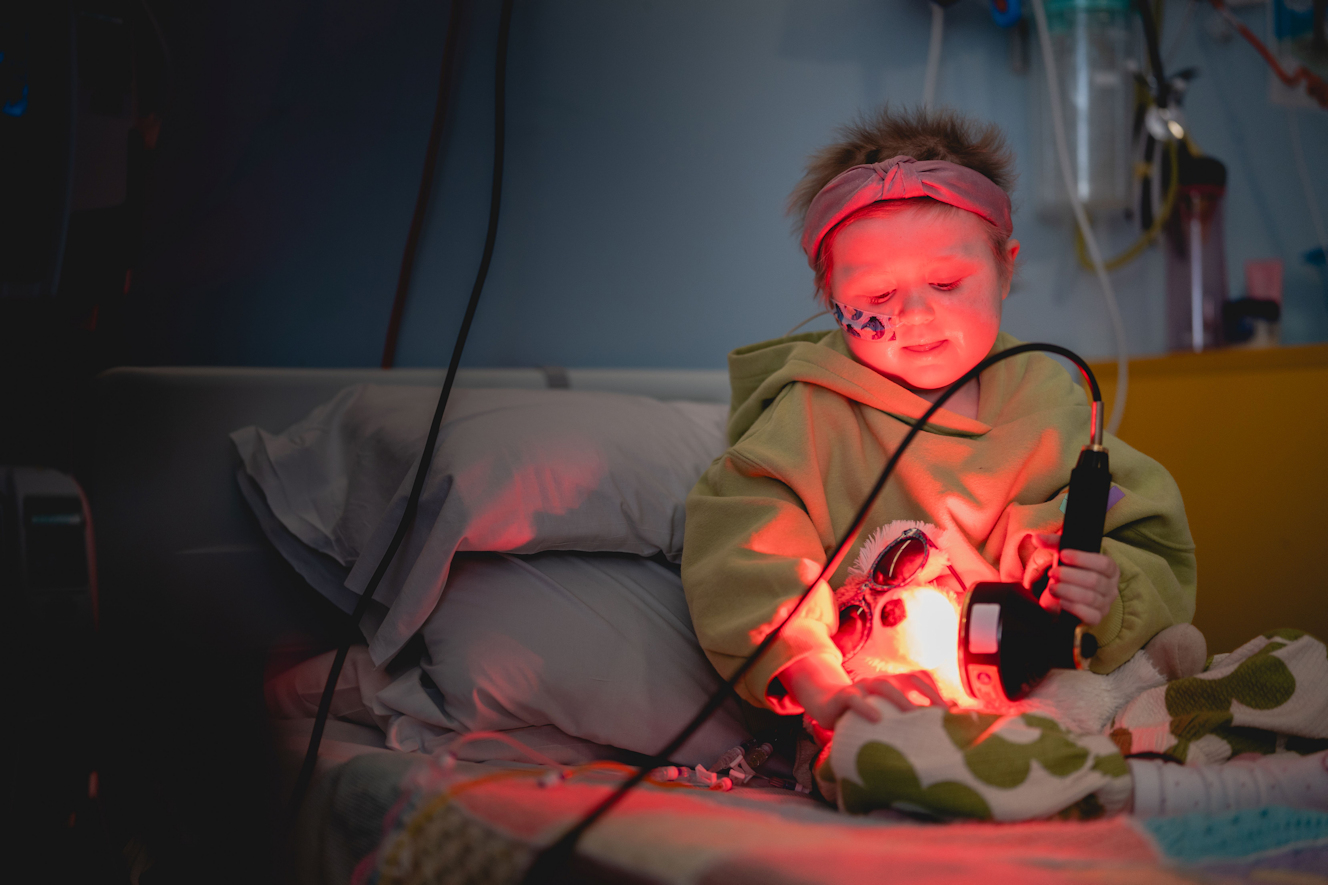
Childhood cancer is uncommon: only 1 in 600 children will develop a malignancy before 16 years of age. Cure is possible though, and with aggressive treatments such as chemotherapy, surgery and radiotherapy, the cure rate is around 80% in Europe and North America. We can improve survival and quality of life by making diagnoses more accurate, and by preventing and treating complications from the therapies we use.
CRD is a focus for developing high-quality reviews of evidence around many aspects of childhood cancer, including diagnostic technologies, the management of side effects of cancer therapies, as well as treatments themselves. We work on improving the management of chemotherapy induced nausea and vomiting, nutritional support, and psychological support interventions. We collaborate on the development of methods for undertaking such research, to make it more effective and efficient. The expertise of our team has been sought in international collaborations examining diagnostic technologies and assessing and reducing the adverse effects of different cancer treatments.
Candlelighters Supportive Care Research Centre
The Candlelighters Supportive Care Research Centre (CSCRC) was launched in November 2023 to bring together world’s leading supportive care experts to carry out high-quality research, develop future supportive care specialists and turn research into practice.
Prof Bob Phillips on BBC
Professor Bob Phillips recently joined BBC Breakfast to talk about the children and young people’s section of England’s new National Cancer Plan, speaking about the Child Cancer Smart campaign and the importance of improving early diagnosis. The segment also featured Sophie’s Legacy, sharing Sophie’s story and highlighting the tireless campaigning of Charlotte Fairall and Dame Caroline Dinenage MP, which led to the establishment of the Children and Young People’s Taskforce.
Find out more about the National Cancer Plan at the Children & Young People's Cancer Association.

Living systematic reviews
Our expertise in evidence synthesis has led to the world's first 'living systematic review' in childhood cancer, focussed on the treatment of relapsed and refractory rhabdomyosarcoma. We are looking at using these skills in developing more projects in other disease groups.
Read the review on treatment of relapsed and refractory rhabdomyosarcoma.
This review expertise is also being applied to how we follow up children after their treatment has finished. A landmark review showed how we could improve our understanding hugely, and we have an NIHR PhD Fellow (Lucy Beresford) developing work in this area.

Neonatal care
Although outcomes for preterm or sick newborn infants have improved substantially over the past 25 years, major morbidities associated with the need for prolonged intensive or invasive care have emerged.
Families and clinicians need to access high-quality evidence to guide care practices, highlight uncertainties, and inform priority setting for further research to prevent and treat these conditions.
Latest publications
Get involved
We are always keen to discuss research collaborations or fellowships in this area, and delighted to welcome clinical researchers from any health or social care background. Please contact bob.phillips