
CHE Policy Forum 2025: primary care payment systems to reduce health inequality
Posted on Thursday 6 November 2025
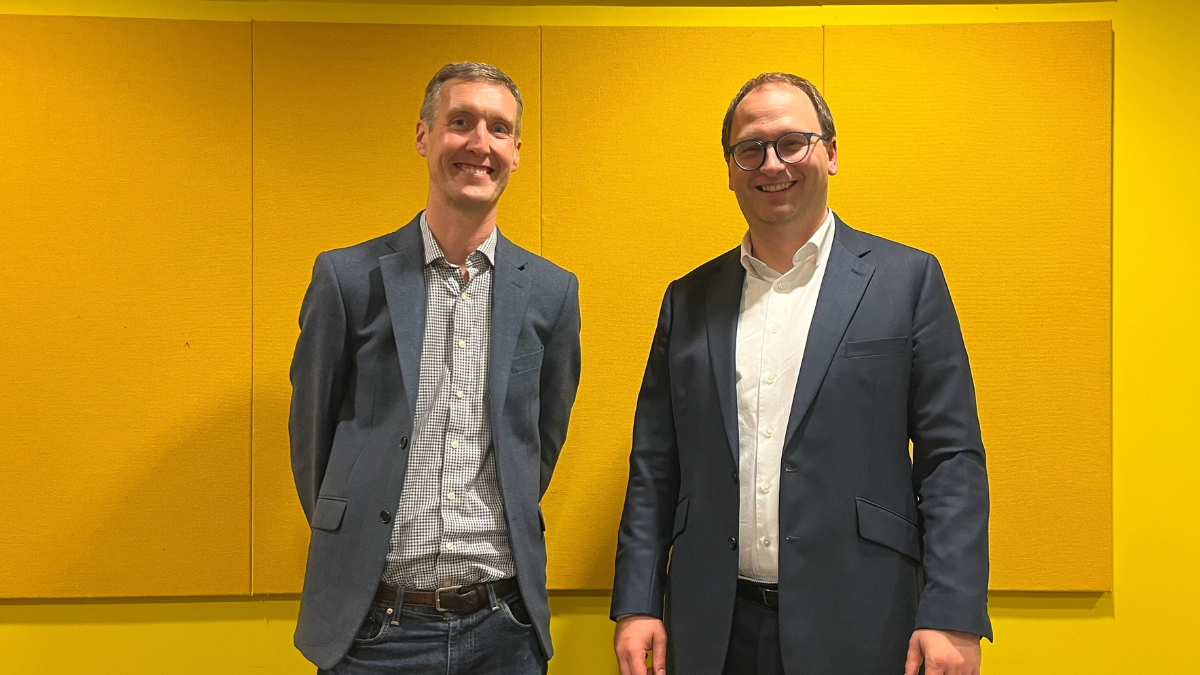
In October, CHE hosted a Policy Forum on primary care payment systems to reduce health inequality. It was presented by Professor Nils Gutacker (CHE), chaired by Professor Rowena Jacobs, Deputy Head of CHE, with discussion led by Dr John Ford, Senior Clinical Lecturer in Health Equity at Queen Mary University of London and Director of the Health Equity Evidence Centre.
Professor Gutacker’s presentation explored the stark reality of health inequalities in England. People in the most disadvantaged areas live shorter lives and spend more years in poor health compared to those in wealthier parts of the country. Although the NHS has a legal duty to reduce health inequalities, care for disadvantaged groups often remains less effective, inadvertently widening the gap.
To address this challenge, Professor Gutacker presented research on how equity weighting could be applied within GP payment systems. This approach would provide greater resources to practices that deliver interventions with the most benefit for disadvantaged patients, helping to ensure that funding more effectively supports the NHS’s duty to reduce inequality.
"The way healthcare providers are paid affects what care gets delivered and for whom. But at the moment the NHS doesn’t use this tool strategically to tackle health inequalities. Our research shows that equity-sensitive pricing is not only possible but also justified,” said Professor Gutacker.
In response, Dr Ford reflected on the implications of this research for policy and practice. Drawing on his work with the Health Equity Evidence Centre, he highlighted the importance of using robust evidence to identify and scale approaches that can narrow health gaps in primary care.
The session concluded with a lively discussion on the role of financial incentives in supporting fairer and more effective health services, underlining the potential of payment reform to improve outcomes for the most disadvantaged.
To learn about future event, sign up for our mailing list.