
Films at the Art of Politics Trail
Catalogue of films
- Agroecological Sounds
- Dust on Paper
- Las Otras Pandemias: Inundacion
- Las Otras Pandemias: Mineria
- Origen with Burned
- Our Journey
- Reimagining Citizenship: Aar Koto Din
- Reimagining Citizenship: Detention Camp
- Reimagining Citizenship: My son has learnt to cuss like the city
- Reimagining Citizenship: Nana I have written
- Reimagining Citizenship: Our Mother has a D vote
- Reimagining Citizenship: Why do our poems scare you
- Salobre
- The Generating Respect Project: Dicko
- The Generation Respect Project: Madame Cissé


Our Journey
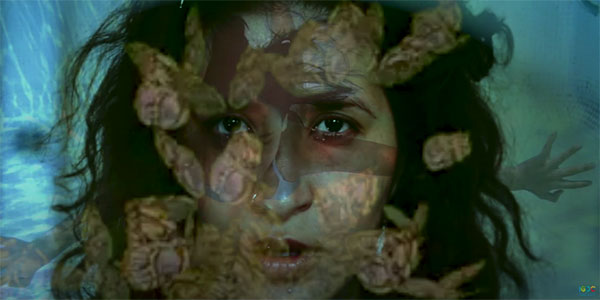
Each year the Home Office issues approximately 16,000-19,000 visas under its ‘domestic workers in private households’ scheme, which allows families to bring domestic workers to the UK. However, working in private households, migrant domestic workers rarely have the opportunity to share their stories of hardship, struggle and disempowerment.
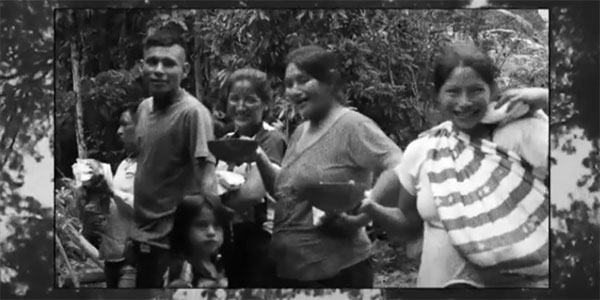
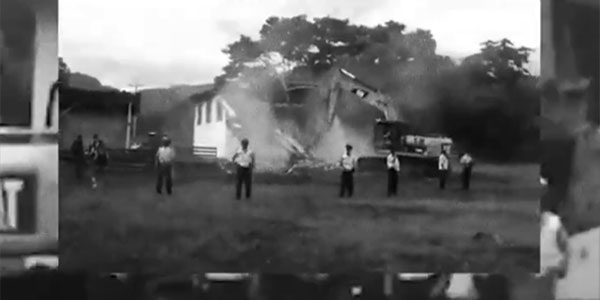
Our Journey is one of several installations co-created by Joyce Jiang an academic from York University, Tassia Kobylinska a filmmaker and twelve migrant domestic workers from The Voice of Domestic Workers in London to offer a glimpse into the everyday lives of migrant domestic workers. It is part of a broader participatory arts project called My Home is Not My Home that respond to the invisibility and marginalisation of migrant domestic workers due to their class, gender and ethnicity. The project presents a combination of video installation, photography, artworks and documents produced by migrant domestic workers.

Reimagining Citizenship: Aar Koto Din by Abdur Rahim
The poem illustrated the longing for freedom from oppression which animates everyday life of people anxious about the growing shadows over their citizenship status. It does this through an imaginary conversation between the poet and the revolutionary Che Guevara. Rahmin's poem is part of the emerging genre of "Miya poetry" that has been developed by Bangla-speaking Muslims in the Indian State of Assam as a means of contesting their stigmatisation and discrimination in the region.
This film is part of the Reimagining Citizenship research project that draws on digital ethnographies, emotional testimonies, and transformative storytelling to chronicle ongoing contests over citizenship in India in the wake of the contentious Citizenship Amendment Act (CAA). This film has been conceived and produced by film-maker and author Natasha Badhwar and poet-scholar Abdul Kalam Azad.
Reimagining Citizenship: Detention Camp by Shahjahan Ali Ahmed
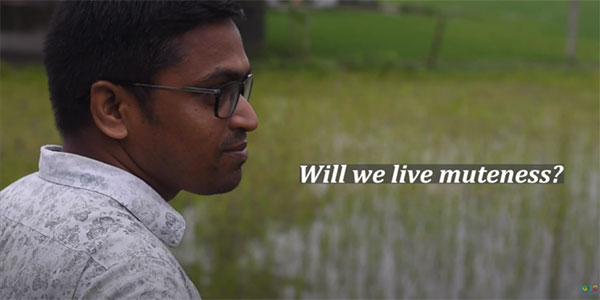
"Detention Camp" conveys the trauma faced by Bangla-speaking Muslims in Assam. Their Indian citizenship is "doubtful" (a legal category) and they face the prospects of being sent to detention camps, thereby rendering uncertain their very existence. Ahmed's poem is part of the emerging genre of "Miya poetry" that has been developed by Bangla-speaking Muslims in the Indian State of Assam as a means of contesting their stigmatisation and discrimination in the region.
This film is part of the Reimagining Citizenship research project that draws on digital ethnographies, emotional testimonies and transformative storytelling to chronicle ongoing contests over citizenship in India in the wake of the contentious Citizenship Amendment Act (CAA). This film has been conceived and produced by film-maker and author Natasha Badhwar and poet-scholar Abdul Kalam Azad.
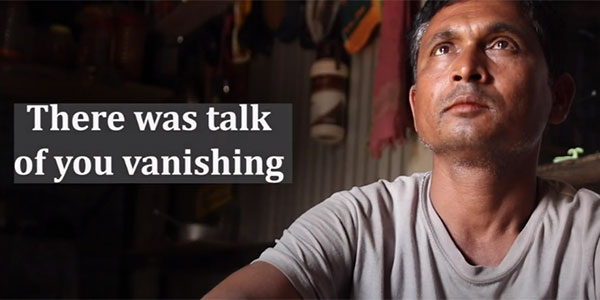
Reimagining Citizenship: My son has learnt to cuss like the city
A poem written by Siraj Khan.
In this poem, Khan narrates the discrimination he and his family face on account of their Bengali Muslim identity. Khan's poem is part of the emerging genre of "Miya poetry". Miya poetry has been developed by Bangla-speaking Muslims in the Indian State of Assam as a means of contesting their stigmatisation and discrimination in the region.
This film is part of the Reimagining Citizenship research project that draws on digital ethnographies, emotional testimonies, and transformative storytelling to chronicle ongoing contests over citizenship in India in the wake of the contentious Citizenship Amendment Act (CAA). This film has been conceived and produced by film-maker and author Natasha Badhwar and poet-scholar Abdul Kalam Azad.
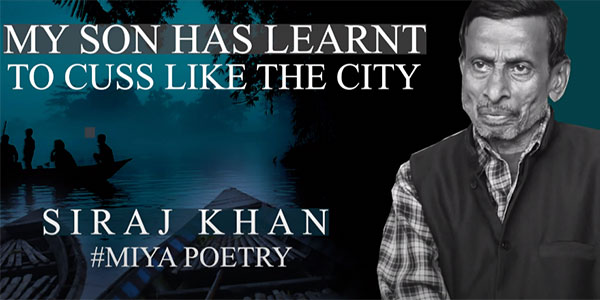
Reimagining Citizenship: Nana I have written by Shalim Hussain
This poem presents Hussain's assertion of his "Miya" identity. Hussain's poem is part of the emerging genre of "Miya poetry" that has been developed by Bangla-speaking Muslims in the Indian State of Assam as a means of contesting their stigmatisation and discrimination in the region.
This film is part of the Reimagining Citizenship research project that draws on digital ethnographies, emotional testimonies and transformative storytelling to chronicle ongoing contests over citizenship in India in the wake of the contentious Citizenship Amendment Act (CAA). This film has been conceived and produced by film-maker and author Natasha Badhwar and poet-scholar Abdul Kalam Azad.
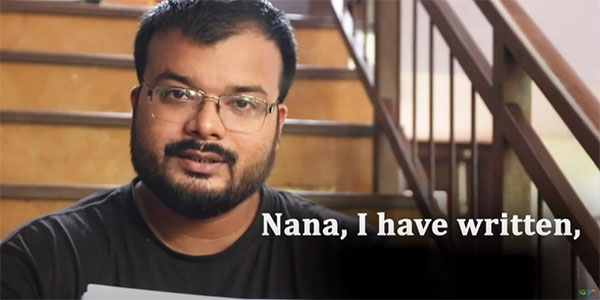
Reimagining Citizenship: Our Mother has a D Vote by Ashraful Hussain
Hussain recounts the precarious nature of his and his family's citizenship status, which has turned out to be "doubtful" (a legal category). Hussain's poem is part of the emerging genre of "Miya poetry" that has been developed by Bangla-speaking Muslims in the Indian State of Assam as a means of contesting their stigmatisation and discrimination in the region.
This film is part of the Reimagining Citizenship research project that draws on digital ethnographies, emotional testimonies, and transformative storytelling to chronicle ongoing contests over citizenship in India in the wake of the contentious Citizenship Amendment Act (CAA). This film has been conceived and produced by film-make and author Natasha Badhwar and poet-scholar Abdul Kalam Azad.
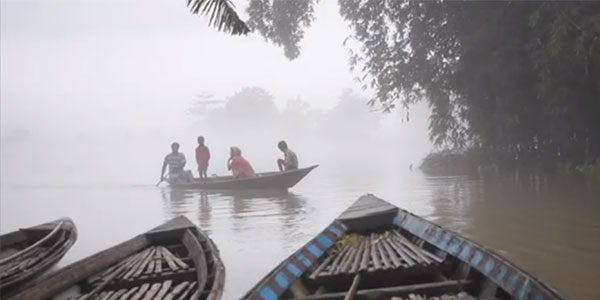
Reimagining Citizenship: Why do our poems scare you by Aman Ali
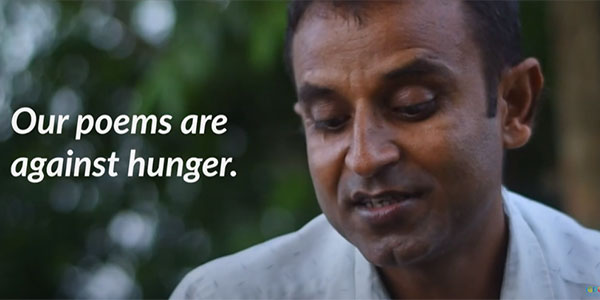
Ali uses his poetry to assure is audience that all he is asking for is to be treated as a human being. Bangla-speaking Muslims share the same economic and social difficulties as other communities in Assam and the poem makes a case for shared solidarities. Ali's poem is part of the emerging genre of "Miya poetry" that has been developed by Bangla-speaking Muslims in the Indian State of Assam as a means of contesting their stigmatisation and discrimination in the region.
This film is part of the Reimagining Citizenship research project that draws on digital ethnographies, emotional testimonies and transformative storytelling to chronicle ongoing contest over citizenship in India in the wake of the contentious Citizenship Amendment Act (CAA). This film has been conceived and produced by film-maker and author Natasha Badhwar and poet-scholar Abdul Kalam Azad.
The Generating Respect Project: Dicko
Mahmoud Dicko is a Malian Salafi imam from the Tombouctou Region who chaired the High Islamic Council of Mali from January 2008 to April 2019. The Generating Respect project focuses on the role of religious leaders in armed conflict and their potential influence in promoting greater respect for humanitarian norms.
 - YouTube (1).png)
The Generating Respect Project: Madame Cissé
Madame Cissé became an imam with the aim of relieving people of their pain. She works at the Ministry of Religious Affairs and Worship of Mali. The Generating Respect project focuses on the role of religious leaders in armed conflict and their potential influence in promoting greater respect for humanitarian norms.
 - YouTube.png)