
Co-Designing Clean Energy for Rural Africa with Service Innovations and Digital Twins (CREDiT)
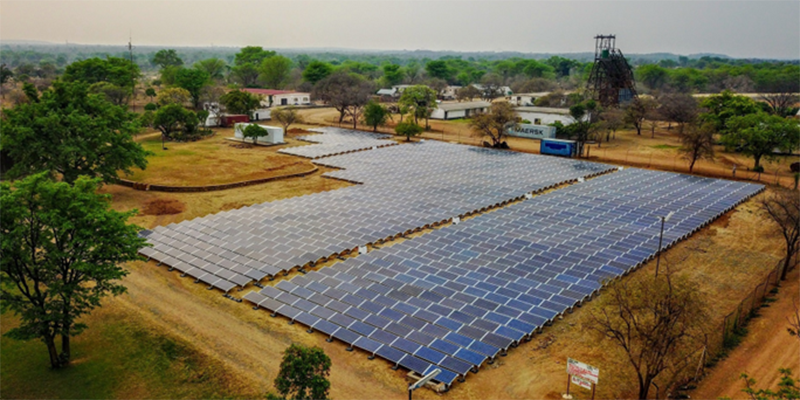
This new UKRI funded project seeks to address the urgent and persistent energy access gap in rural Sub-Saharan Africa by introducing co-designed, community-driven clean energy solutions.
Led by the University of York, the project combines Participatory Technology Development (PTD), Digital Twin (DT) technologies, and a novel Energy-as-a-Service (EaaS) business model to transform the deployment and long-term sustainability of off-grid solar systems. The project will be implemented in three highly diverse and under-electrified rural contexts: a coastal fishing community in Mayungu Beach, Kilifi, Kenya, an agricultural village near Kasinthula, Malawi, and an academic-agricultural setting of Chipembi College in Zambia. These pilot sites are chosen for their distinct energy needs and social structures, allowing the project to generate highly transferable knowledge and scalable models applicable across the African continent.
The project’s broader ambition is to create a replicable model of how digital technologies, equitable partnerships, and community empowerment can come together to deliver sustainable clean energy transitions in Africa. It aims to shape supportive policies by collaborating with government bodies, de-risk investments by demonstrating operational transparency, and stimulate inclusive green economies in the regions it operates.
Ultimately, the vision is for empowered, resilient, and equitable communities capable of managing their energy futures, significantly contributing to achieving Sustainable Development Goals, particularly SDG7 (Affordable and Clean Energy) and SDG13 (Climate Action).