
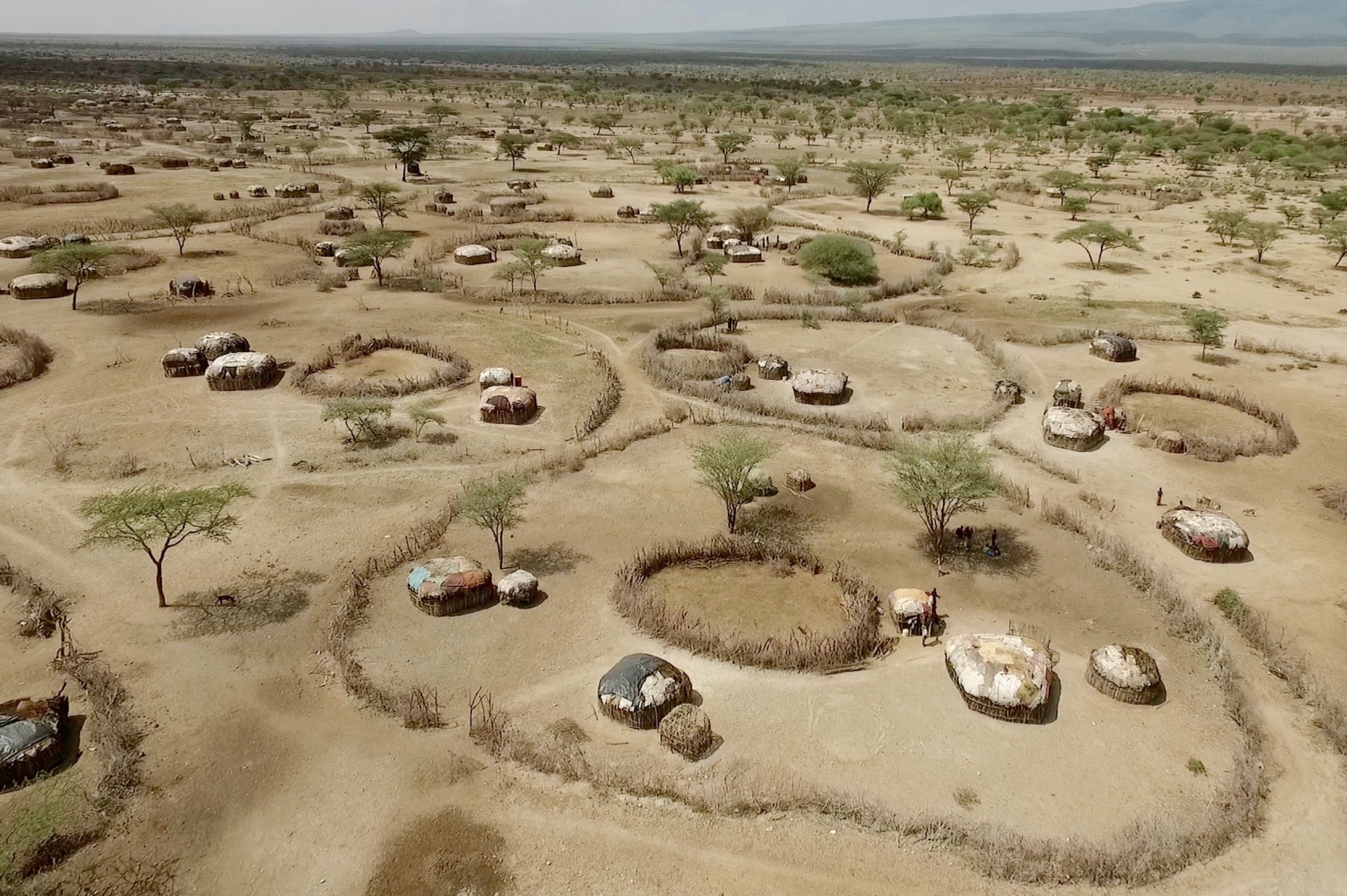
Environment and Sustainability
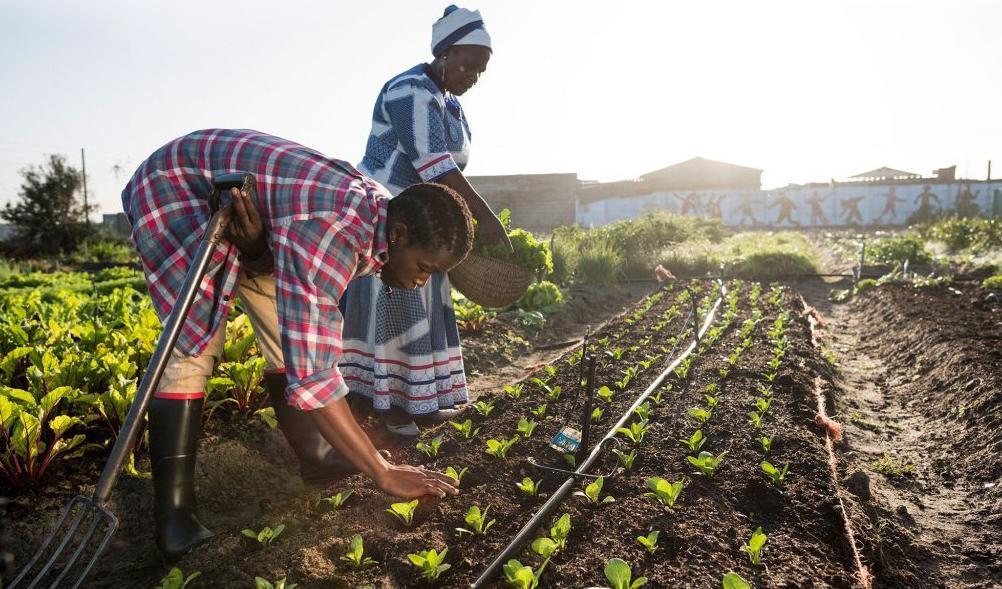
FSNet-Africa aims to design and implement food systems research in partnership with stakeholders to identify solutions that can bring about sustainable change in African food systems.
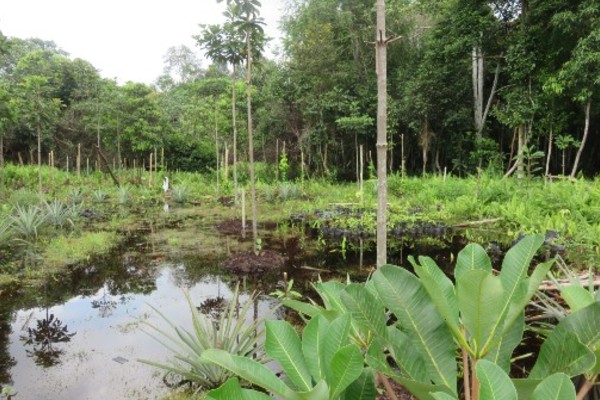
Tropical peatland climate resilience: transforming governance of climate risks for poverty reduction in Indonesia, Peru and the Congo Basin
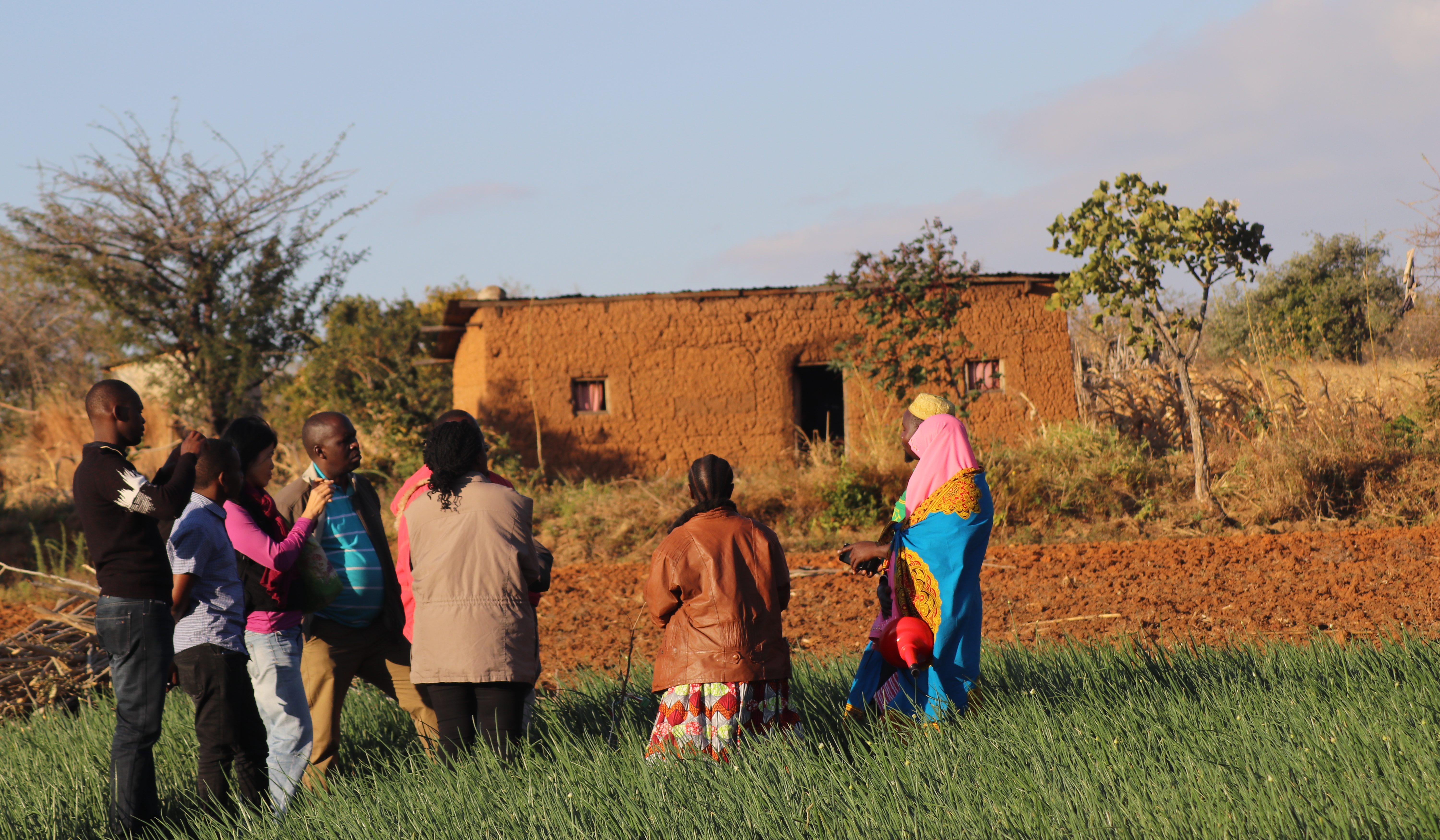
Funded by the UK Research Council’s Global Challenges Research Fund the Development Corridors Partnership began in October 2017 and will end in December 2021. The Partnership will build capacity to address concerns about development corridors by encouraging scientific collaboration and stakeholder engagement in key issues of corridor planning and management.

In an era characterized by climate change, economic shifts, and transformative societal dynamics, mountainous regions face unprecedented challenges and opportunities. The Mountain Working Group emphasises the need for positive narratives and seeks to exchange innovative ideas to imagine and shape new responses to the ongoing unprecedented climate-driven social-ecological changes in mountain areas.
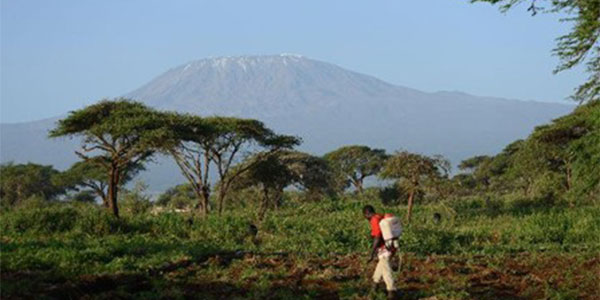
AFRI-CAN project: East African Mountain Social Ecological Dynamics
Funding by the European Research Council’s (ERC) the AFRI-CAN project will be coordinated from York, and working together with colleagues from the University of Witwatersrand Johannesburg, the Basque Centre for Climate Change and the Senckenberg Institute, will examine how mountain ecosystems and societies in East Africa respond to climate and environmental change.
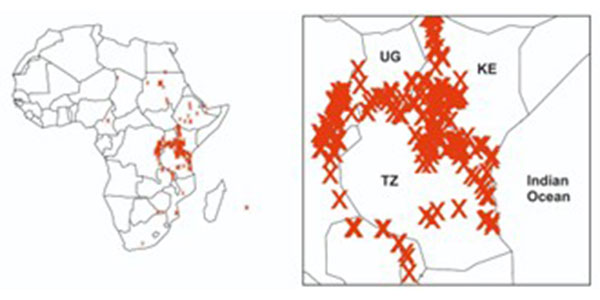
This is an ongoing project since the EU 7th Framework funding “Resilience in East Africa” project that brings together published radiocarbon dates from the region for paleoenvironmental and archaeological research. The distribution of available data is useful for understanding spatial and temporal knowledge (data) gaps.
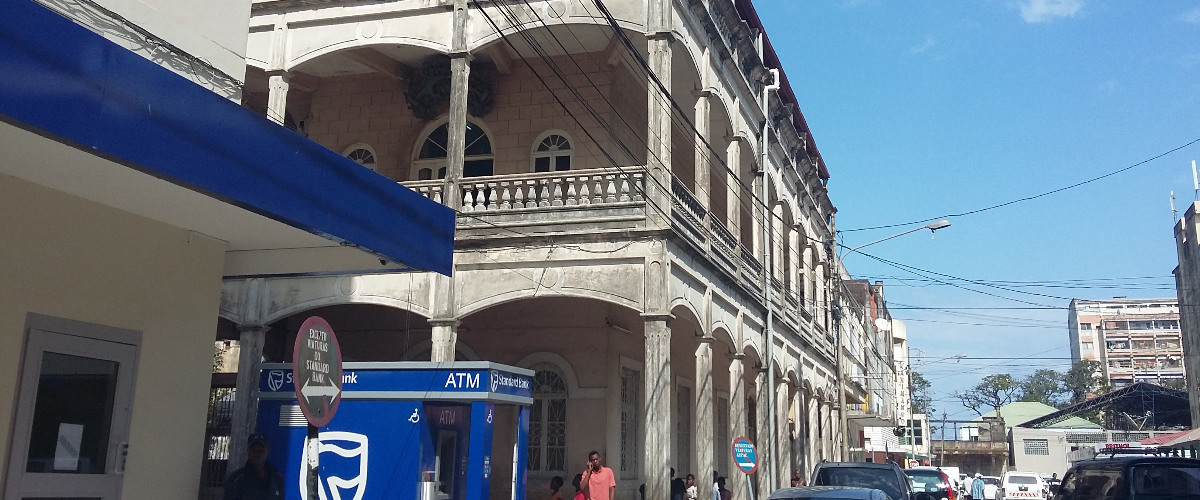
A political-economic analysis of electricity grid access histories and futures in Mozambique (POLARIZE) aims to improve livelihoods primarily in urban and peri-urban communities.
The project is run in partnership with three organisations in Mozambique: the Centre for Research on Governance and Development (CPGD), Observatorio do Meio Rural (OMR) and University of Eduardo Mondlane (UEM).
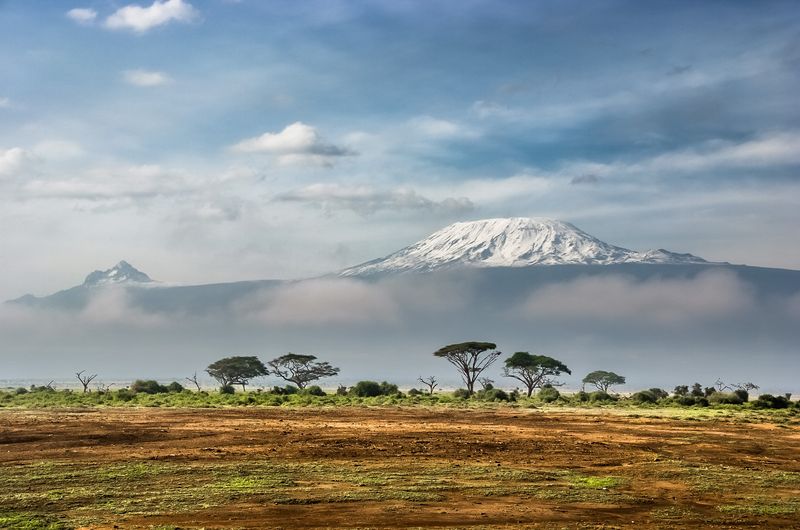
A SIDA-funded project is unravelling the past 500 years to guide the future assessment of pastoral - agricultural - conservation interactions across the Serengeti landscape
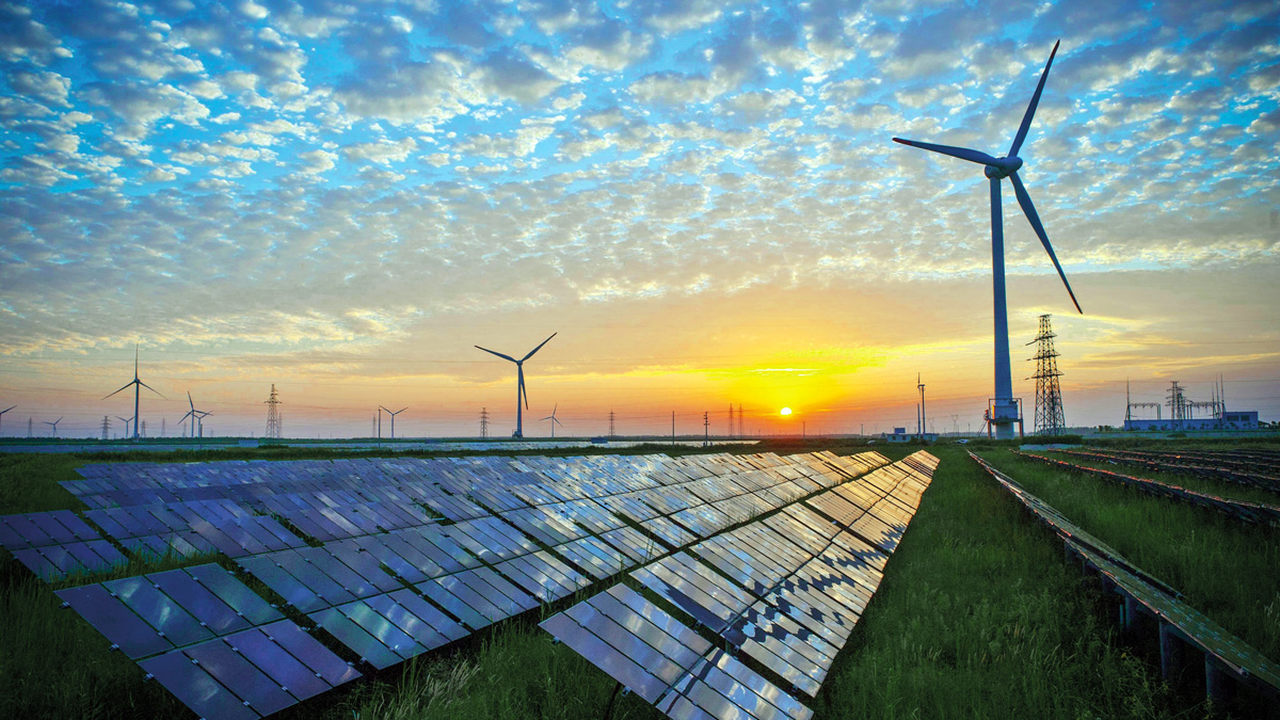
Joshua Kirshner was Co-I in the project, CESET, funded by UK Research & Innovation (2021-24). With a multi-institutional research partnership that spanned several UK and African universities, we explored community energy systems’ potential to spur inclusive energy transitions in varied contexts while supporting greater women’s inclusion in energy planning.
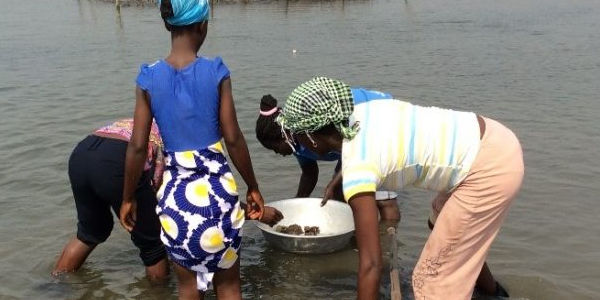
Due to declining oyster populations across West African mangroves this project aims to assure a sustainable livelihood of the many women dependent on this resource, by understanding how changing climate coupled with environmental pollution are likely to affect the current and future of the Oyster fisheries.

The aim of this project is to initiate a long-term interdisciplinary collaboration to explore the baseline conditions for Earth habitability under long-term future global environmental change to influence adaptation research, policy, and practice.
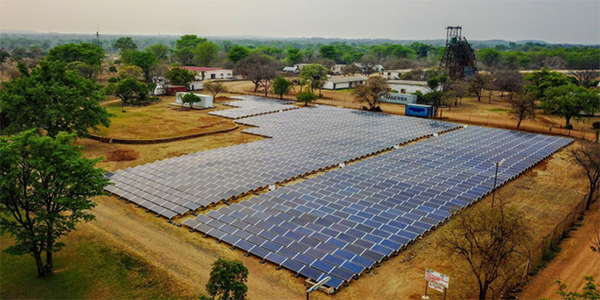
This new UKRI funded project seeks to address the urgent and persistent energy access gap in rural Sub-Saharan Africa by introducing co-designed, community-driven clean energy solutions.