MSc in Early Prehistory

Course director: Dr Penny Spikins

Overview

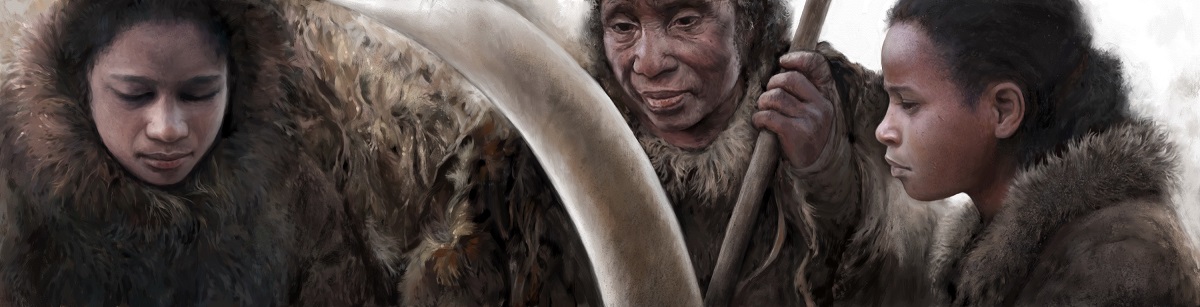
What makes us 'human'? How did early human societies work? How different were Neanderthals from ourselves and why did they die out? What was life like in the Ice Age? We debate these questions and many others within lively research environment as you build up your knowledge and experience of early prehistoric societies from 3 million to 5,000 years ago. The archaeology of human origins is a fascinating and dynamic area of research, with new evidence and theories changing our interpretations about who we are, and where we come from all the time. 

Core modules in Early Prehistory and in the use of ethnographic evidence cover the archaeology and approaches to human origins, and we also get 'hands on' experience of museum collections at the York Museum, and visit Upper Palaeolithic rock art in our field trip to Creswell Crags.

This course provides a basis for further study through a PhD or as Masters course leading to other careers. York has gained media attention recently for research into emotions in Neanderthals and earlier species, we also boast an internationally renowned group of staff within Archaeology and HYMS focused on early prehistoric archaeology and Human Evolution. The MSc in Early Prehistoric Archaeology offers you a wide range of opportunities to extend and deepen your understanding and research experience of the Early Prehistoric period.

Staff

  • Dr Penny Spikins works in Palaeolithic and Mesolithic Archaeology; she has interests in cognitive evolution, hunter-gatherer populations and submerged archaeological landscapes
  • Dr Nicky Milner specialises in palaeodiet and consumption practices, shell midden studies and death and burial; she has excavated a Mesolithic structure at Howick, shell middens in Europe, and is currently excavating at Star Carr and the Vale of Pickering
  • Professor Geoff Bailey works in the Palaeolithic and Mesolithic; his key interests are world prehistory and palaeoeconomy, Quaternary landscape history and theories of time
  • Professor Terry O'Connor specialties in vertebrate zooarchaeology and environmental palaeoecology
  • Professor Don Brothwell specialises in paleopathology
  • Professor Matthew Collins specialises in ancient proteins

Facilities

There is a wide range of facilities for students undertaking an Archaeology Masters programme. These include:

  • Dedicated IT suite with a full range of software including generic and specialist archaeological packages and computing support from two highly experienced experimental officers
  • A comprehensive range of state-of-the-art field survey equipment which postgraduates can normally use for their project work (and can gain experience with via the skills modules we offer)
  • A wide range of lab facilities for archaeological analysis including environmental and artefact processing as well as the bioarchaeological facilities on campus
  • A well stocked library with access to electronic resources, and study areas both in the Kings Manor library and the library on campus
  • The Kings Manor includes a common room and refectory open to all staff and students, and WiFi is available across the Kings Manor

Structure

Structure

Over the autumn and spring terms you will take:

  • two core 20 credit modules
  • two option 20 credit modules
  • four 5 credit skills modules

In the summer you will carry out research for your dissertation and give an Assessed Lecture on your dissertation topic.

Core modules

Recommended option modules

Recommended skills modules

Whilst we endeavour to give everyone their first choice on modules, please note that this cannot always be guaranteed. Please be aware that certain skills modules are required by particular programmes, and so may be more over-subscribed than others. Please see the Full modules list for scheduling information on option and skills modules, as some run concurrently.

Entry

You will need:

A good honours degree (upper second or first) or an equivalent qualification from an overseas institution in archaeology, anthropology or a related field

Apply now

First, check our How to apply page, which explains what information the Department needs from you.

Careers

When you complete the course, you will:
  • have developed an awareness of the scope of Early Prehistory and knowledge of key early prehistoric societies
  • be able to identify key transitions in human evolution
  • be aware of the issues of interpreting archaeological evidence for early prehistoric societies
  • have developed a critical understanding of the key debates in the period
  • have developed your ability to gather and organise information and arguments in a critical and independent manner through writing essays and producing projects
  • have undertaken a piece of independant research on a topic within early prehistory
  • developed your presentational skills through the delivery of seminar papers on a range of diverse themes
Upper Palaeolithic Venus figurine, source: Wikimedia Commons

'This course forces us to search more deeply into our origins, into what it means to be human ... it has been to me the most inspiring part of my studies. Clearly, the staff's dedication and passion for these topics are highly contagious! Watch out!' Lucile Crété, postgraduate student