UK free school meal allowances not enough to provide healthy lunches, research reveals
Posted on Friday 17 May 2024

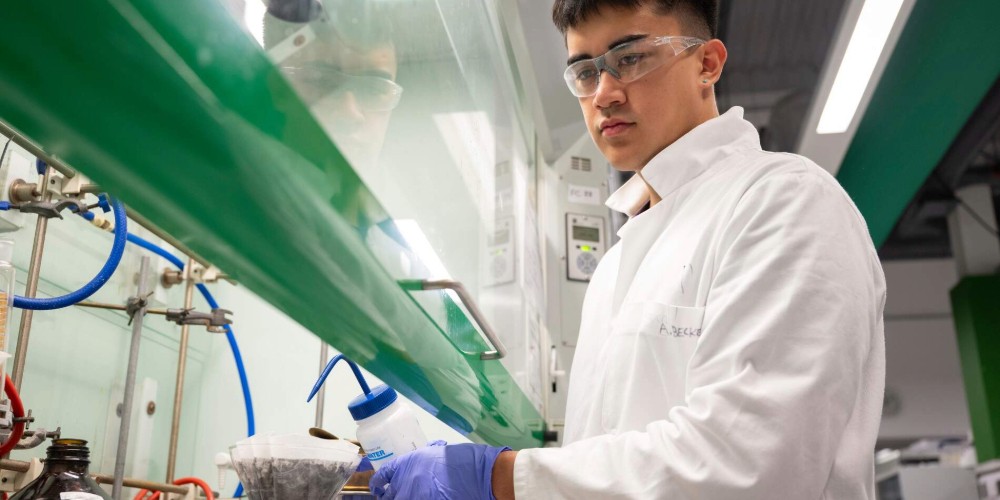
For the study, researchers trained 42 pupils aged between 11 and 15 from seven UK schools as “citizen scientists”.
The young citizen scientists were asked to collect information from their own schools over a week, detailing what food was available, what lunch they bought and whether they felt full for the rest of the school day. They were given a lunch budget of between £2.15 and £2.70 per day, depending on the free school meal (FSM) allowance at their school.
Limited choices
The findings of the study, presented at the European Congress of Obesity (ECO), reveal that the allowance often limited pupil’s choices to meal deals, with many, often healthier, non-meal-deal items financially out of reach.
The pupils rarely purchased fresh fruit, salad and vegetables and in four of the schools, no fruit was bought during the study.
The research also found that short lunch breaks led to the citizen scientists feeling under pressure to “grab and go”, making decisions that may not have been the healthiest option.
The citizen scientists highlighted the small portion sizes of meals, and, because in most schools they were not able to access their school meal allowance before lunch, how they were often hungry during the morning break.
Inflation
Dr Sundus Mahdi from the Department of Health Sciences at the University of York, said: “We found that non-meal-deal items were generally healthier, but more expensive. This is very relevant in terms of what we are seeing now with the cost of living and inflation that healthier food just tends to be more expensive.
“Unfortunately, the portion sizes given to some pupils were not enough to sustain them during the school day. There was actually one participant that said that during the week they actually brought a packed lunch with them in addition to their free school meal allowance, because it just wasn’t filling them up.”
In England, around 1.9 million children are eligible for free school meals. To be eligible, a household must earn less than £7,400 after tax and before benefits.
Vegetables
FSM allowance needs to be increased to allow students to buy more filling meals that sustain them through the school day, the researchers say. They are also calling for an amendment to the school food standard so that schools have to include two portions of vegetables with every meal.
Professor of Public Health Nutrition in the department of Health Sciences and chief investigator on the study, Maria Bryant, said: “We know that 30% of daily food intake happens at school, so it’s a substantial part of young people's diet.
“Unfortunately, poor meal choice is often a result of a wider system failure, where there is a lack of funding in schools and catering that is usually constrained by contracts, profit margins and procurement processes.”