Vertical farming project to develop low-cost alternative plant protein
Posted on Wednesday 7 June 2023
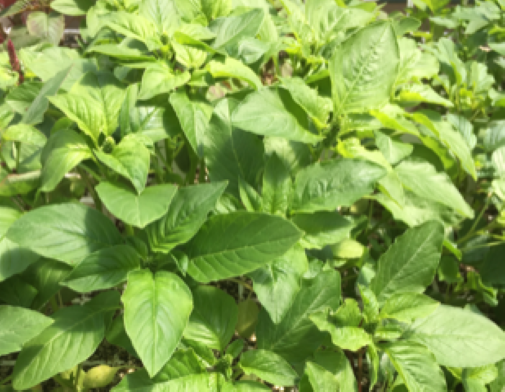
Funded by Innovate UK, the two-year project will develop methods to use vertical farming facilities to grow the plant, known for its many health benefits and numerous antioxidants and which is undervalued in the current UK food market.
Environmental impact
The project will be led by Vertical Future along with the University of York, Crop Health and Protection Limited (CHAP), an Innovate UK-funded agri-tech centre, and Syan Farms and Eat Curious, a plant-based food development company.
Researchers say amaranth production could help decrease the UK’s reliance on imports of plant proteins such as soy and pea, boosting not just the UK economy and environmental impact but also the health of UK consumers.
Amaranth has been proven to be a lower-cost alternative to the more commonly used pea protein and is commonly eaten in Southern Africa, South East Asia and South America.
UK consumers
The demand for plant-based protein is increasing as the vegan, vegetarian and flexitarian food markets grow as consumers look to make healthy and sustainable choices. The project aims to address growing demand by bringing together experts working in vertical farming technology and crop biology to develop a high-yielding, high-protein, quality crop.
The crop can then be used to develop recipes for a meat alternative that is a market-ready product for UK consumers. Conducting the growing process exclusively within indoor vertical farming facilities, will enable the plant to be grown in the UK year-round and decrease carbon emissions emitted during the transportation process as the vertical farm is located on the food manufacturing site.
Plant science
Professor Katherine Denby, from the Centre for Novel Agricultural Products (CNAP), at the University of York said: “We are excited to bring our extensive knowledge and expertise in horticulture and plant science to the VIP Leaf project. We work on developing improved lines of amaranth for smallholder farmers in Southern Africa and are excited to be able to now exploit opportunities for this underutilised crop in the UK.
“Together with the subsidiary of the University of York, the Biorenewables Development Centre, we will assess the functionality of the plant protein and provide data on the nutritional quality of the amaranth crop.
“The VIP Leaf project is central to one of CNAP’s aims – developing sustainable food crops – and we are looking forward to a productive collaboration with the other partners.”
Revolutionary approach
VIP Leaf will leverage the experience of Vertical Future, who design, manufacture, and build a range of proprietary hardware and software technologies for vertical farms across the globe, and access protein and crop-specific knowledge at the University of York and CHAP, and food manufacture and scale up production facilities at Syan Farms and Eat Curious.
It is hoped that the results of the project will help the UK meet Net Zero Carbon by 2050, through a revolutionary approach to food science and farming, driven by crop technology and vertical farming.