Staff and students lead new digital map of World War Two bombings in York
Posted on Thursday 21 April 2022
Also known as the 'Baedeker Raids', the German bombing campaign started in the early hours of April 29th 1942, and claimed the lives of approximately 100 people.
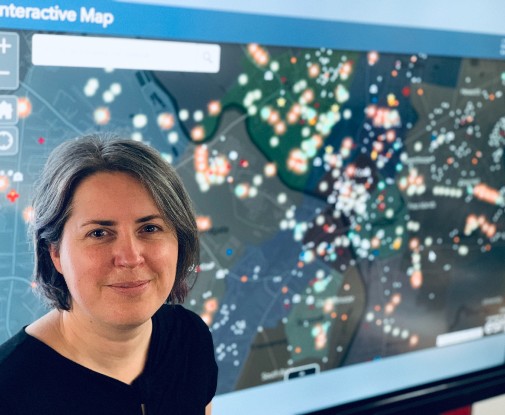
Now the Raids Over York digital team, led by the University of York’s Department of Archaeology, has created an interactive map detailing the scale of the bombing, which hit the Guildhall, railway station, and many York homes.
Raids
The raids were in retaliation to the RAF’s bombing of German cities, and targets like York were often chosen for their cultural and historical significance, rather than military importance, and were chosen from the German Baedeker travel guides.
The new map - created by Dr Helen Goodchild with the help of student volunteers from the Department of Archaeology - allows viewers to explore the ways in which York and its residents were affected by the air raids.
Based on documents compiled from the York Archives, the map shows the locations of the bombs that fell over York, the casualties from those air raids, and the measures put in place to protect the city and its population.
Dataset
The project has recorded how people experienced the raids at the time, what structures were built to defend against and best cope with the raids, and also where the scars of war still remain in York today.
The largest dataset, which the team is still working on, features the names and addresses of over 3,000 volunteer personnel involved, particularly those working as air raid wardens.
Dr Helen Goodchild said: "Some of this data has been mapped before, but never to this scale. It was a big undertaking as it was necessary to gather precise coordinates for every address, some of which no longer exist, and we are still working on the huge archive.
"It's been an interesting - if sobering - opportunity to really get to know the city’s more recent history, and it's been really rewarding to be able to put all this information together to share with the public."