Report highlights impact of poor indoor air quality on children’s health
Posted on Tuesday 18 February 2020
The report presents evidence linking indoor air pollution to a range of childhood health problems including asthma, wheezing, conjunctivitis, dermatitis, and eczema.
Sources of indoor air pollution include smoking, damp, the burning of fossil fuels and wood, dust, chemicals from building materials and furnishings, aerosol sprays, and cleaning products.
Exposure
Professor Nicola Carslaw, from the Department of Environment and Geography, was one of the authors looking at ‘Factors Affecting Indoor Air Quality.’
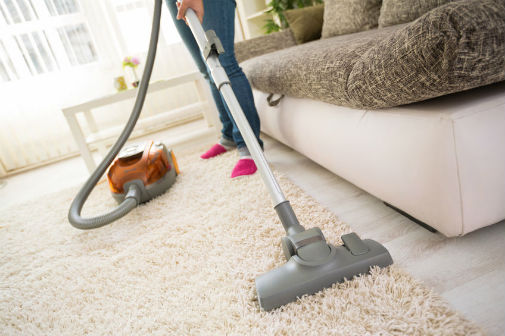
Prof Carslaw looked at how indoor activities such as cooking, cleaning and air freshener use can lead to exposure to air pollutants in our homes.
It draws on research carried out by Prof Carslaw and her colleagues at York around the use of cleaning products in the home.
Prof Carslaw said: “Using such products leads to a suite of chemical reactions, some of which can lead to the formation of harmful pollutants such as small particles and formaldehyde.
“Although people are generally very aware of air pollutants outdoors and exposure to them - such as walking along a heavily trafficked street - they are much less aware that they can be exposed to pollutants in their homes.”
There are some simple things that people can do in their homes to reduce exposure to pollution. Using an extractor fan that vents outdoors when cooking is one way and making sure that cleaning is carried out in a well-ventilated space is another. People can use liquid cleaners instead of sprays, use minimal amounts of the cleaning product and never mix them together.
Harmful
Prof Carslaw is currently carrying out research to identify ways to change product formulations so that they produce less of these chemically harmful products when used.
The RCPCH report recommends:
- Legally binding performance standards for indoor air quality to include ventilation rates, maximum concentration levels for specific pollutants, labelling of materials, and testing of appliances
- Air quality tests when local authority construction is complete and before the building is signed off
- Compliance tests after construction stages and assessment of buildings once occupied – this may require ring-fenced resources for local authorities to take enforcement action.
Professor Jonathan Grigg, Paediatric Respiratory Consultant from the Royal College of Paediatrics and Child Health (RCPCH) said: “We’re finally paying attention to the quality of our outdoor air and this is long overdue. It’s harder to get population level data on the quality of indoor air but the evidence in this report paints a worrying picture. Children in the UK spend most of their time indoors, with just 68 minutes spent outside on an average day. Too many of our homes and schools are damp and poorly ventilated – this is adversely affecting the health of children.”
The report says local authorities should provide free indoor air testing for residents. It recommends a national fund to support improvements for low income residents who report issues with ventilation and air quality.
Further information
The report: The Inside Story: Health effects of indoor air quality on children and young people