York archaeologist awarded major funding prize
Posted on Tuesday 25 October 2016
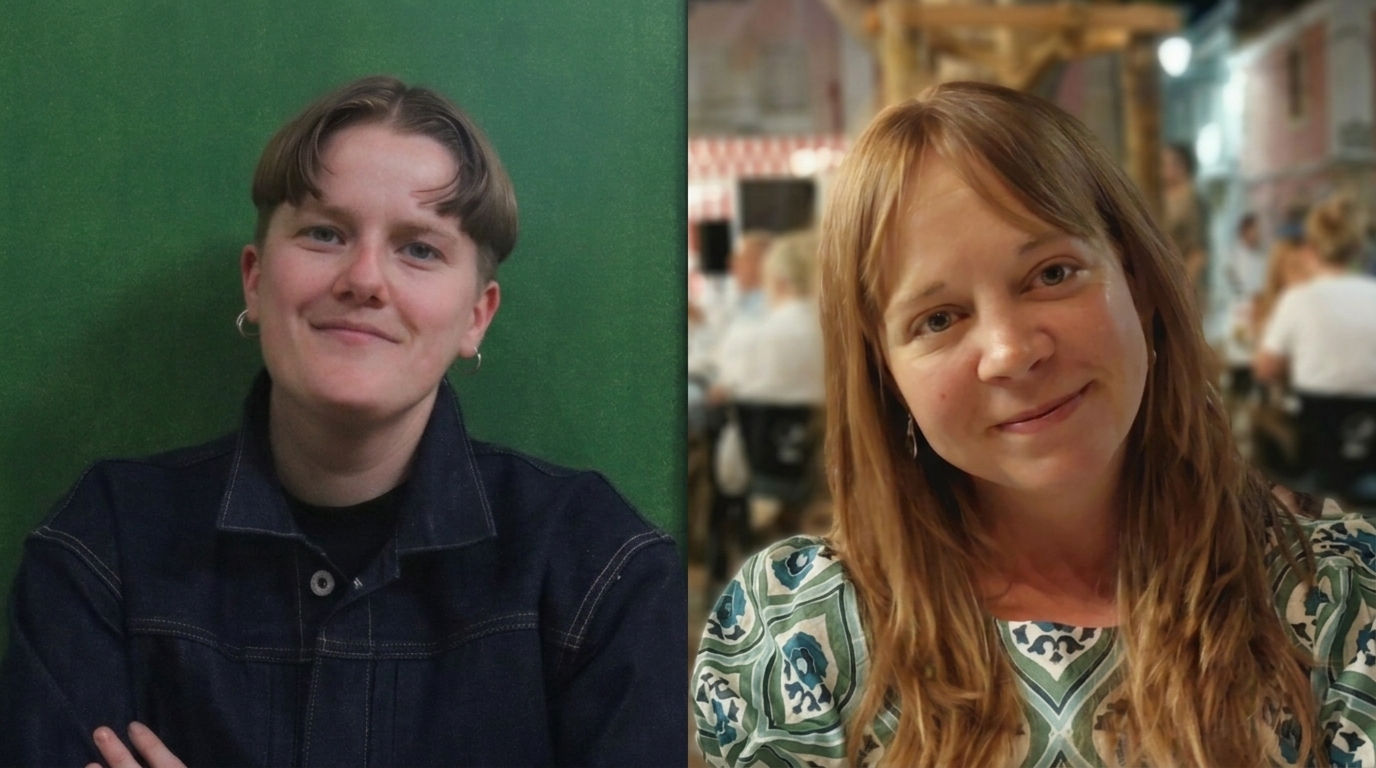
Dr Camilla Speller, a Lecturer in the Department of Archaeology, specialises in using ancient DNA and protein analysis to investigate a range of archaeological and anthropological questions about past human behaviour.
She has a particular interest in the history behind human relationships with animals, including hunting, management and domestication, and also studies ancient human bacteria to shed light on the health, diet and diseases of past populations.
The Philip Leverhulme Prize, awarded to 30 UK researchers whose work has attracted international recognition and shows exceptional promise, will allow Dr Speller to advance her work in these areas.
Ancient DNA analysis
Dr Speller said: “My research uses biomolecular techniques - ancient DNA and protein analysis - to understand the ways that past humans affected their physical world.
“More recently, I have been investigating the ‘micro-ecology’ of the human body through the analysis of ancient human microbiomes. The human body hosts billions of bacteria, which play a major role in influencing our health, wellbeing and behaviour. We have applied ancient DNA and protein analyses to archaeological microbiome sources - like fossilized dental plaque and feces - to understand the kinds of bacteria that lived in and on the human body in the past.
“I’m extremely honoured to have been awarded the Philip Leverhulme Prize. This award reflects the wonderful support I have received from my colleagues in the Department of Archaeology at York, and will enable us to advance our research into ancient microbiomes and patterns of health and disease through time.”
Further information
- For more information about the Philip Leverhulme Prize, visit: https://www.leverhulme.ac.uk/funding/grant-schemes/philip-leverhulme-prizes
- For further information about the University of York’s Department of Archaeology, visit: https://www.york.ac.uk/archaeology/