Public health and literature researchers elected to British Academy
Posted on Thursday 14 July 2016
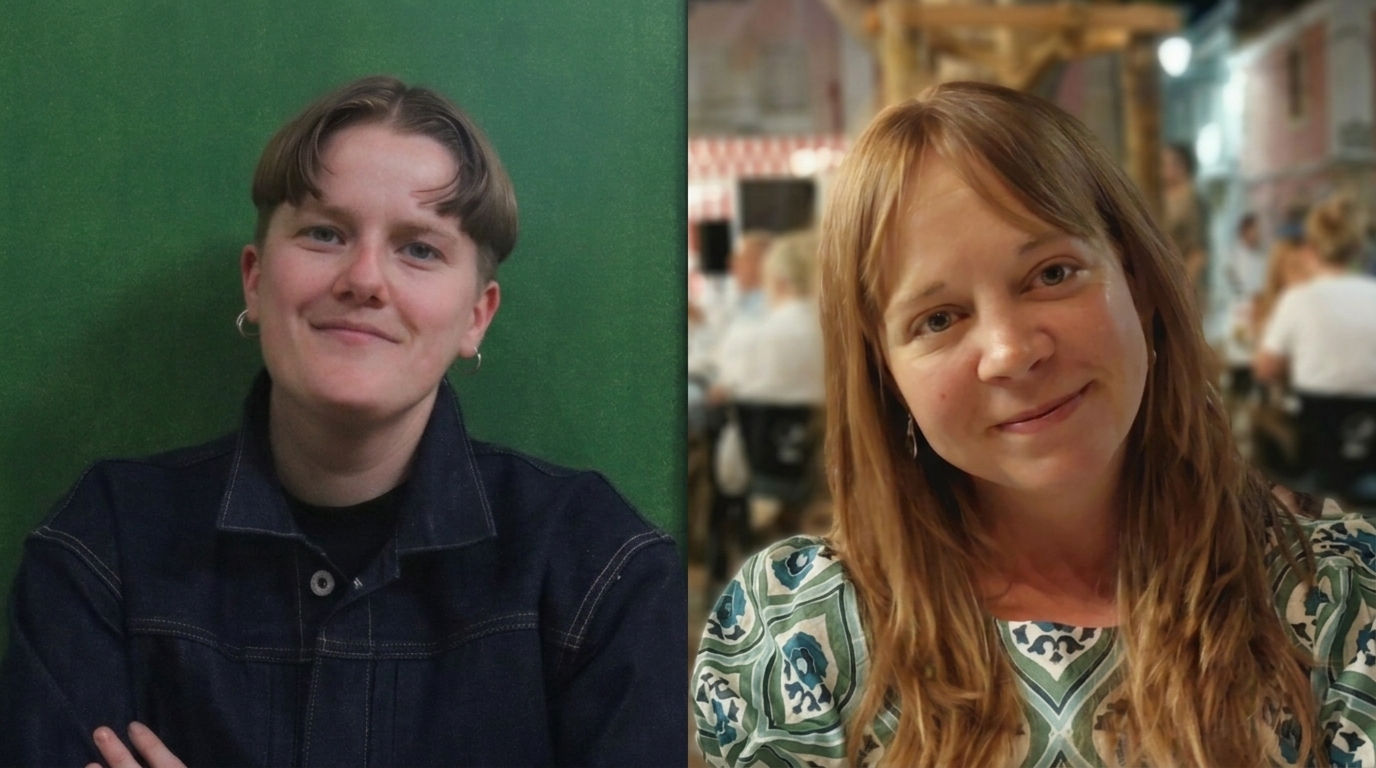
Public health researcher, Professor Hilary Graham, and Professor of Renaissance Literature, Brian Cummings are among 42 UK academics elected as Fellows in recognition of their outstanding contribution to research. Fellowship awards spanned the breadth of the humanities and social sciences, including law, linguistics, economics and history.
Professor Graham, from the Department of Health Sciences, said:“This award recognises the significant importance that research into health inequalities has in today’s society. My work in this area would not have been possible without the support of colleagues from around the world, as well as our dedicated team of PhD students.”
With a background in sociology and social policy research, Professor Graham is renowned for her work on social inequalities in health, with a particular focus on cigarette smoking and other health-related behaviours. Her research is also exploring the connections between public health and the biophysical environment.
Professor Cummings, from the Department of English and Related Literature, said: “It is an honour to be recognised by the Academy in this way. I hope it will be an opportunity to reaffirm the centrality of European humanism and at the same time to address the critical questions that the humanities can ask about culture and society.”
Professor Cummings has written widely on sixteenth-century religion and literature, including an edition of The Book of Common Prayer: The Texts of 1549, 1559, and 1662. His book The Literary Culture of the Reformation: Grammar and Grace has had significant influence on scholarly thinking about the poetics of religion. He is currently co-directing the Arts and Humanities Research Council’s (AHRC) project ‘Remembering the Reformation,’ as well as writing on the Renaissance humanist Erasmus.
Pro-Vice-Chancellor for Research at York, Professor Deborah Smith, said: “This is a fantastic achievement for our colleagues that recognises the excellence of their research in two diverse fields, demonstrating our dedication to promoting the arts and humanities, as well as the positive impact of our leading social science research on tackling global health challenges.”
The British Academy also announced that Professor Sir David Cannadine will be its 30th President, taking up office in July 2017 for a four year term.
Professor Cannadine is a modern British historian who was elected a Fellow of the Academy in 1999. He is Dodge Professor of History at Princeton University, a Visiting Professor of History at Oxford University, and the editor of the Oxford Dictionary of National Biography.
The British Academy for the humanities and social sciences aims to inspire and support high achievement in the humanities and social sciences throughout the UK and internationally, and to promote their public value.
Further information
- For more information about the University of York's Department of English and Related Literature visit york.ac.uk/english/
- For more information about the University of York's Department of Health Sciences visit york.ac.uk/healthsciences/