Triple European grant success for University of York academics
Posted on Monday 28 March 2022

To be successful for ERC grants, applicants must demonstrate the ground-breaking nature, ambition and feasibility of their scientific proposal.
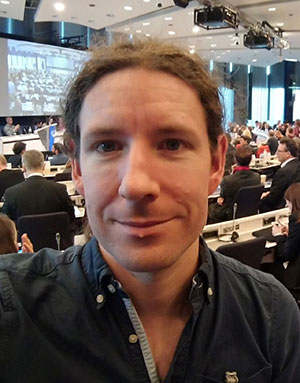
Dr David Orton from the Department of Archeology was awarded £1.7m to explore what rat bones can tell us about past human towns and trade throughout Europe - and about the role of rats in past plague pandemics. His project, Rats and the Archaeology of Trade, Urbanism and Disease in past European Societies, will chart the history of rats in Europe from late prehistoric origins to the 19th century.
Professor Nicky Milner, Head of the Department of Archaeology, said: “We are absolutely delighted that David has been awarded this highly competitive and hugely prestigious grant. It is an important subject in that it will shed light on the profound impacts rats have on human societies, such as being agents of disease.”
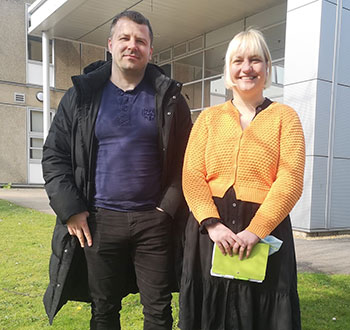
In the Department of Chemistry, Dr Martin Fascione secured £1.7m for innovative chemical biology research which focuses on carbohydrate chemistry and enzymology - and how it can be used to tackle multidrug resistant bacterial infections. The project builds on the international profile of his team’s work looking at how understanding the behaviour of carbohydrates can help develop new approaches to disease prevention and treatment.
And in a double success for Chemistry, electrochemical methods expert Dr Alison Parkin received a grant worth £1.7m for proposed research to revolutionise the application of electrochemistry in the study of enzymes. The project will combine sophisticated data analysis with molecular biology techniques - with potential implications for understanding sustainable biofuel production.
Head of Department Professor Caroline Dessent, said: “Huge congratulations are due to Alison and Martin. The award of these highly competitive grants is a testimony to the exceptional science their research groups are conducting.
“Colleagues across York Chemistry have supported Alison and Martin through the ERC application process, and it’s wonderful to see this departmental team effort leading to such success.”
The ERC Consolidator Grants are five-year awards designed to support mid-career researchers to help consolidate their teams and conduct pioneering research.Over 2,500 applicants submitted proposals for the grants with York researchers featuring strongly amongst the 12 per cent of successful bids.