From the Neolithic to the modern day - York’s rich history revealed during major archaeological dig
Posted on Wednesday 26 August 2020
.jpg)
During the six-year dig archaeologists discovered thousands of artefacts and revealed one of the largest exposures of prehistoric and Roman activity in the immediate vicinity of York.
Oldest brain
Notable items included a Roman well and bucket and the oldest surviving human brain found in Britain.
The discovery of the brain generated headlines around the world when it was discovered in 2008, with archaeologists suggesting it may have been the result of a gruesome ritual.
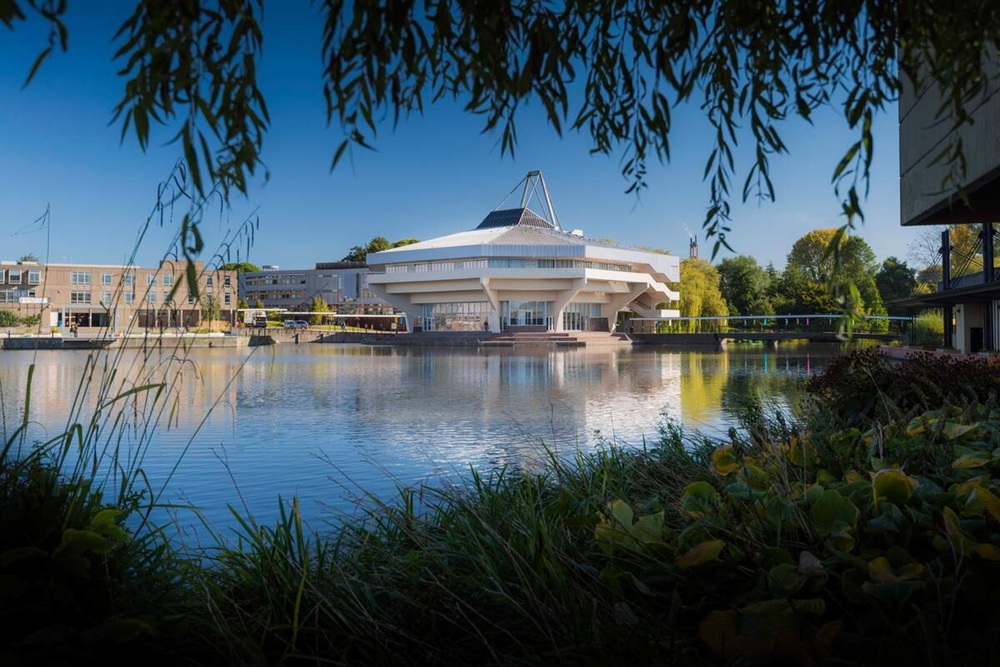
The decision by the University of York to expand onto a new area of greenbelt adjacent to the original 1960s campus generated a need for archaeological evaluation.
The project, which began in 2003, used a combination of commercial organisations, local community groups, academics and more than 400 University of York undergraduates who cut their archaeological teeth at the site.
Notable finds included:
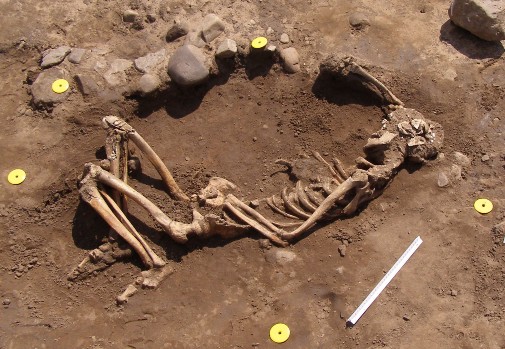
- The skeleton of a man, believed to be one of Britain’s earliest victims of tuberculosis, was discovered in a shallow grave at the site. Radiocarbon dating revealed that the man died in the fourth century.
- The remnants of a late Roman well and discarded bucket, which archaeologists believe was probably stripped of its metal and thrown into the well and then sealed with a large stone.
- Evidence related to burial practices, with around a dozen features uncovered - including several Roman baby burials.
Rewrite the story
The results of the project have now been published in the journal the Society of Antiquaries of London.
Lead author Steve Roskams, from the University’s Department of Archaeology, said: “This report is the end result of work that started 20 years ago when plans for the campus expansion were first put forward.
“It has revealed a multi-period landscape, from the Neolithic period right up to the modern day. There are not many sites which give you this much archaeology over such a prolonged period.
“This was a complex and fascinating project that has helped us shed new light on York’s rich Roman past and helped us rewrite the story regarding the Vale of York’s prehistory.”
The project will make the archives accessible through the Archaeological Data Service and the Yorkshire Museum, hopefully with a physical exhibition at the Museum in the future.