Hunt for plant-based alternative in recovery of metals from mining waste
Posted on Thursday 23 February 2023
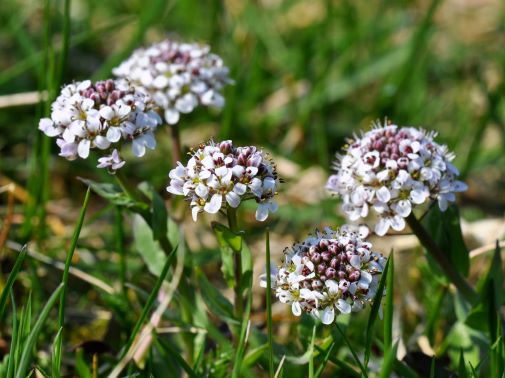
The project will combine a plant-based technique called phytomining – where plants absorb metal ions through their roots – with an advanced biotechnological approach to retrieve the resulting metal nanoparticles from the waste.
Researchers at the University of York, in collaboration with the Universities of Edinburgh and Nottingham, and led by Scotland’s Rural College (SRUC), alongside two key players in the UK mining and nanotechnology industry - Scotgold Resources and Promethean Particles, - will use native UK plants to retrieve metal nanoparticles (NPs) such as gold, silver, and copper from mine tailings taken from Scotgold Resources Cononish mine near Tyndrum.
Potential
Once the plants have undergone advanced biomass processing to retrieve the NPs, the team will then investigate the potential of using the waste for conversion into biogas or other value-added bioproducts.
The project will generate knowledge about using phytomining to produce biogenic NPs from metal-rich wastes, facilitating a first-time assessment of their potential in the industrial, agricultural, environmental and biomedical sectors.
Additionally, it will enable the development of new biotechnology to support the R&D sector and the design of specific high-value bioproducts from the waste biomass for commercial-scale production.
Environmentally friendly
Dr Liz Rylott, from the Department of Biology at the University of York, said: “We are delighted to be working on such an exciting project with SRUC and great supporting partners.
“Using plants to recover precious metals from the Cononish mine site has the potential to be cost-effective and environmentally friendly, and could be the key to successfully remediating metal-polluted sites around the world.”
The research was funded by the Biotechnology and Biological Sciences Research Council (BBSRC) following a call for projects offering biotechnological solutions that reduce environmental impact in either the textile industry or the recovery of technology-relevant metals.